Storing horse feed properly is crucial for maintaining its quality and ensuring the health of your horses. Different types of horse feed require specific storage conditions to prevent spoilage and contamination. In this guide, we’ll explore the best practices for storing various types of horse feed separately, ensuring that your equine companions receive the nutrition they need.
Why Proper Horse Feed Storage Matters
Proper storage of horse feed is essential to prevent spoilage, contamination, and nutrient loss. Inadequate storage can lead to mold growth, pest infestations, and a decline in feed quality, which can negatively affect your horse’s health. By following the right storage practices, you can maintain the freshness and nutritional value of the feed.
How to Store Different Types of Horse Feed
How to Store Hay
Hay is a staple in many horse diets and requires careful storage to prevent mold and nutrient degradation.
- Location: Store hay in a dry, well-ventilated area to prevent moisture buildup.
- Stacking: Stack hay bales on pallets or wooden planks to keep them off the ground and allow air circulation.
- Protection: Cover hay with a tarp or store it in a barn to protect it from rain and sunlight.
- Inspection: Regularly check for signs of mold or pests and remove affected bales immediately.
How to Store Grain
Grain is a concentrated feed source that requires protection from pests and moisture.
- Containers: Use airtight containers or bins to store grain and prevent pest access.
- Location: Keep grain in a cool, dry place to avoid spoilage.
- Labeling: Clearly label containers with the type of grain and expiration date for easy identification.
- Rotation: Use the oldest grain first to ensure freshness (first-in, first-out method).
How to Store Pellets and Cubes
Pellets and cubes are processed feeds that need specific storage conditions to maintain their integrity.
- Sealed Bags: Keep pellets and cubes in their original sealed bags until use.
- Temperature: Store in a cool, dry environment to prevent moisture absorption.
- Pest Control: Ensure storage areas are free from rodents and insects.
How to Store Supplements
Supplements provide additional nutrients and require careful handling to maintain potency.
- Original Packaging: Store supplements in their original containers with lids tightly closed.
- Avoid Heat: Keep away from direct sunlight and heat sources to prevent degradation.
- Check Expiry: Regularly check expiration dates and dispose of expired products.
Common Mistakes to Avoid
- Mixing Feeds: Avoid storing different types of feed together, as this can lead to cross-contamination.
- Ignoring Pests: Regularly inspect storage areas for pests and take measures to control infestations.
- Neglecting Ventilation: Ensure proper airflow in storage areas to prevent mold growth.
People Also Ask
How Can I Prevent Pests in Horse Feed Storage?
To prevent pests, use airtight containers for grains, regularly clean storage areas, and set up traps or deterrents for rodents and insects. Keeping the area tidy and free from spilled feed also helps reduce pest attraction.
What Are the Signs of Spoiled Horse Feed?
Signs of spoiled feed include a musty odor, visible mold, clumping, and changes in color or texture. If you notice any of these signs, discard the affected feed immediately to avoid health risks to your horses.
How Often Should I Rotate Horse Feed?
Rotate horse feed regularly, ideally every time you receive a new batch. Use the first-in, first-out method to ensure that older feed is used before newer stock, maintaining freshness and nutritional quality.
Can I Store Horse Feed Outside?
While it’s possible to store horse feed outside, it’s not recommended due to exposure to moisture and pests. If necessary, use weatherproof containers and store feed off the ground to minimize risks.
What Temperature Is Best for Storing Horse Feed?
Horse feed should be stored in a cool, dry place, ideally between 50°F and 70°F (10°C and 21°C). Avoid areas with high humidity or temperature fluctuations to preserve feed quality.
Conclusion
Proper storage of horse feed is vital for maintaining its quality and ensuring the health of your horses. By following these guidelines, you can prevent spoilage, contamination, and nutrient loss, providing your equine companions with safe and nutritious feed. For more information on horse care, consider exploring topics like equine nutrition and pasture management.
Related Posts
- What are the effects of smoking on skin health?
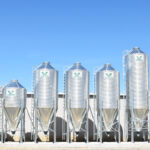 Feed storage pest control for your horse's food
- What are the signs of a horse's discomfort with human presence?
- How do experienced horse handlers interpret ear positions?
- How often should you check horse feed expiration dates?
- How does age affect a horse's hydration needs?
- How can cultural background shape the ethical considerations in groundwork?
- How do horses use vocalizations to alert others to danger?
- How can I create a safe environment for grooming a biting horse?
- Can stress affect a horse's health?