Riding your sport horse regularly is essential for maintaining its fitness and performance. Ideally, you should aim to ride your sport horse four to six times a week. This frequency helps to build endurance, improve skills, and maintain a strong bond between horse and rider.
How Many Days a Week Should You Ride Your Sport Horse?
Understanding the Ideal Riding Schedule
When considering how often to ride your sport horse, it’s crucial to strike a balance between training and rest. A typical schedule might include:
- 4-6 days of riding: This allows for a mix of training, conditioning, and leisure rides.
- 1-2 rest days: Rest days are vital for recovery and preventing overuse injuries.
Factors Influencing Riding Frequency
Your horse’s age, fitness level, and training goals will influence how often you should ride. Here are some considerations:
- Age and Experience: Younger or less experienced horses may require more frequent, shorter sessions to build stamina and skills gradually.
- Fitness Level: Horses in peak condition can handle more intensive schedules, while those returning from a break may need a more gradual approach.
- Training Goals: Competitive riders may ride more frequently to prepare for events, whereas recreational riders might prioritize leisurely rides.
Sample Weekly Riding Schedule
Here’s a sample schedule to give you an idea of how to structure your riding sessions:
| Day | Activity |
|---|---|
| Monday | Flatwork and conditioning |
| Tuesday | Jumping practice |
| Wednesday | Rest or light hacking |
| Thursday | Dressage training |
| Friday | Trail ride or cross-training |
| Saturday | Jumping or event practice |
| Sunday | Rest or leisurely ride |
Importance of Rest and Recovery
Why Rest Days Matter
Rest days are as important as training days. They allow your horse’s muscles to recover, reducing the risk of injury and mental fatigue. Incorporating rest days into your schedule promotes long-term health and performance.
Signs Your Horse Needs a Break
Be attentive to signs that your horse may need additional rest, such as:
- Lethargy or reluctance to work
- Stiffness or soreness
- Changes in behavior or temperament
Practical Tips for Riding Your Sport Horse
Vary Your Routines
To keep your horse engaged and motivated, vary your riding routines. This can include:
- Mixing different disciplines: Incorporate dressage, jumping, and trail rides.
- Cross-training: Use activities like swimming or lunging to build different muscle groups.
- Changing environments: Ride in different settings to challenge your horse’s adaptability.
Monitor Your Horse’s Health
Regular veterinary check-ups and a balanced diet are essential for your horse’s health. Ensure your horse receives appropriate nutrition to support its activity level and consult with a vet if you notice any health concerns.
People Also Ask
How Long Should Each Riding Session Be?
Riding sessions typically last 30 to 60 minutes, depending on the horse’s fitness and the intensity of the workout. Adjust the duration based on your horse’s response and the specific goals of each session.
Can You Ride a Horse Every Day?
While it’s possible to ride a horse every day, it’s generally not recommended due to the risk of overworking the horse. Rest days are crucial for recovery and maintaining overall well-being.
What Are the Benefits of Cross-Training for Horses?
Cross-training helps develop a well-rounded athlete by working different muscle groups, improving flexibility, and preventing boredom. It can include activities like lunging, swimming, or hill work.
How Do You Know If You’re Overworking Your Horse?
Signs of overworking include fatigue, reluctance to perform, and physical symptoms like lameness or stiffness. Monitoring your horse’s behavior and health is key to preventing overwork.
What Should You Do on Rest Days?
On rest days, allow your horse to relax in the pasture or engage in light activities like hand-walking or grooming. This promotes recovery while maintaining a bond with your horse.
Conclusion
Riding your sport horse four to six times a week with a mix of training and rest days is ideal for maintaining fitness and performance. Tailor your schedule based on your horse’s needs and goals, and remember to incorporate rest days for recovery. For further guidance, consider consulting with a professional trainer or equine veterinarian.
Related Posts
- Are there specific stretches for older horses' hindquarters?
- How can you identify if your relationship is growing positively?
- How do mares show aggression differently than stallions?
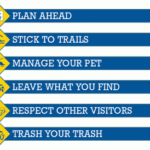 Leave no trace principles for horseback outdoor recreation
- What is the science behind relaxation and increased suppleness?
- Can over-deworming harm my horse?
- How can a rider's behavior influence a horse's spookiness?
- How can breathing techniques improve my confidence while riding?
- How can I desensitize a horse to being saddled?
- What were the spiritual meanings associated with horses in Plains tribes' culture?