How often you should exercise your sport horse each week depends on several factors, including the horse’s age, fitness level, and the discipline in which you are training. Generally, a balanced routine of 5-6 days of exercise per week with at least one rest day is ideal for maintaining both physical fitness and mental well-being.
How to Determine the Right Exercise Frequency for Your Sport Horse
What Factors Influence Exercise Frequency?
When planning an exercise routine for your sport horse, consider these factors:
- Age and Fitness Level: Younger horses or those new to training may need a gradual build-up, while seasoned horses can handle more frequent workouts.
- Discipline: Different disciplines require different types of exercise. For example, dressage horses may focus more on flexibility and balance, while eventing horses need a mix of endurance and agility training.
- Health Status: Always consult a veterinarian if your horse has any health issues that could affect its exercise regimen.
What Does a Typical Weekly Exercise Schedule Look Like?
A balanced weekly schedule might include:
- Monday: Light flatwork focusing on flexibility and responsiveness.
- Tuesday: Jumping exercises or discipline-specific training.
- Wednesday: Rest day to allow for recovery.
- Thursday: Conditioning work, such as hill work or trot sets.
- Friday: Dressage or flatwork to improve balance and coordination.
- Saturday: Trail ride for mental relaxation and endurance.
- Sunday: Rest day or light exercise, such as a walk.
How to Incorporate Rest Days and Recovery
Rest is crucial for muscle recovery and preventing burnout. Ensure your horse has at least one full rest day each week. On lighter days, consider activities that promote relaxation, such as hand walking or turnout in a pasture.
What Are the Benefits of a Consistent Exercise Routine?
Regular exercise helps:
- Build Muscle: Consistent workouts develop strength and muscle tone.
- Improve Stamina: Regular conditioning increases endurance.
- Enhance Mental Health: A routine can reduce stress and anxiety.
How to Monitor Your Horse’s Progress
Keep track of your horse’s performance and adjust the routine as needed:
- Performance Metrics: Note improvements in speed, agility, or technique.
- Behavioral Cues: Monitor for signs of fatigue or reluctance, which may indicate overtraining.
- Physical Health: Regularly check for any signs of injury or discomfort.
People Also Ask
How Can I Tell if My Horse Is Overworked?
Signs of an overworked horse include fatigue, decreased performance, and irritability. If your horse shows any of these signs, consider reducing the intensity or frequency of workouts and consult a veterinarian if needed.
What Are Some Low-Impact Exercises for Sport Horses?
Low-impact exercises, such as walking, swimming, or light lunging, can improve fitness without straining the horse. These activities are particularly beneficial for horses recovering from injury or those new to training.
How Important Is Cross-Training for Sport Horses?
Cross-training is essential as it helps prevent boredom, builds different muscle groups, and enhances overall fitness. Incorporating activities like trail riding, ground poles, and gymnastics can provide variety and improve performance.
Can Older Horses Maintain a Regular Exercise Routine?
Yes, older horses can maintain a regular exercise routine, but it should be adjusted to accommodate their age and any health issues. Focus on low-impact activities that promote joint health and flexibility.
What Role Does Diet Play in a Horse’s Exercise Regimen?
Diet is crucial for supporting a horse’s exercise routine. Ensure your horse receives a balanced diet rich in proteins, fats, and carbohydrates to fuel workouts and aid recovery. Consult a nutritionist for tailored dietary advice.
Conclusion
Creating a balanced exercise routine for your sport horse involves considering various factors, including age, discipline, and health. By maintaining a consistent schedule with appropriate rest and recovery, you can optimize your horse’s performance and well-being. For further guidance, consider consulting equestrian professionals or joining a local riding club.
Related Posts
- What are the long-term effects of untreated electrolyte imbalances in horses?
- What are the common materials used in horse blankets?
- What are the common mistakes to avoid while lunging a horse?
- How do horse breeds affect endurance riding strategy?
- How do you manage a horse's energy levels after a cross-country event?
- Does a horse's age affect its likelihood to rush?
- How long should I wait to exercise my horse after feeding?
- What are the signs of a dominant horse responding positively to training?
- What was the economic impact of the feudal system on knights?
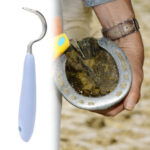 How often should you clean a horse’s hooves?