How Often Should a Stabled Horse Be Exercised?
Stabled horses should ideally be exercised daily to maintain their physical health and mental well-being. Regular exercise helps prevent issues such as obesity, boredom, and muscle atrophy, ensuring that horses remain healthy and content.
Why Is Regular Exercise Important for Stabled Horses?
Regular exercise is crucial for stabled horses as it promotes physical health, mental stimulation, and social interaction. Horses that are kept in stalls for extended periods can develop health issues due to lack of movement and stimulation.
- Physical Health: Exercise helps maintain a horse’s cardiovascular health, muscle tone, and joint flexibility. Without regular movement, horses can become overweight and develop conditions like laminitis or colic.
- Mental Well-being: Horses are naturally active and social animals. Exercise provides mental stimulation, reducing stress and preventing behavioral issues such as cribbing or weaving.
- Social Interaction: Exercise often provides opportunities for horses to interact with other horses, which is essential for their social development and happiness.
How Much Exercise Does a Stabled Horse Need?
The amount of exercise a stabled horse needs can vary based on factors such as age, breed, and health condition. However, a general guideline is to provide at least 30 minutes to one hour of exercise daily.
Factors Influencing Exercise Needs
- Age: Younger horses may require more exercise to channel their energy, while older horses might need less but more frequent, gentle exercise.
- Breed: Some breeds, like Arabians, are naturally more energetic and may need more exercise than draft breeds.
- Health: Horses with certain health conditions may require tailored exercise routines to avoid exacerbating their issues.
Types of Exercise for Stabled Horses
There are various types of exercises that can benefit stabled horses, ranging from simple to more structured routines.
- Turnout: Allowing horses to roam freely in a paddock is one of the best forms of exercise. It enables natural movement and socializing with other horses.
- Riding: Riding provides both physical and mental exercise. It can be tailored to the horse’s fitness level, from gentle walks to more intense workouts.
- Lunging: This involves exercising the horse in a circle on a long line. It’s an excellent way to build fitness and improve balance without the weight of a rider.
- Groundwork: Engaging in activities such as leading exercises or obstacle courses can help improve a horse’s responsiveness and confidence.
How to Develop an Exercise Routine for Your Horse
Creating a balanced exercise routine for your stabled horse involves considering their individual needs and gradually building up their fitness level.
- Assess the Horse’s Current Fitness: Start with a baseline assessment of your horse’s fitness and health.
- Set Realistic Goals: Define what you want to achieve with the exercise routine, such as improving fitness or addressing behavioral issues.
- Start Slowly: Gradually increase the intensity and duration of exercise to prevent injury.
- Monitor Progress: Keep track of your horse’s condition and adjust the routine as needed.
Common Challenges and Solutions
What if I Have Limited Access to Facilities?
If you lack access to large paddocks or riding arenas, consider the following:
- Use What You Have: Make use of any available space, like a small paddock or quiet road, for walking or trotting.
- Incorporate Variety: Use poles, cones, or other obstacles to create engaging exercises in limited spaces.
How Can I Maintain Consistency?
Consistency is key to a successful exercise routine. Here are some tips:
- Create a Schedule: Set a regular schedule that fits your lifestyle and stick to it.
- Involve Others: If possible, involve family members or friends to share the responsibility and maintain consistency.
People Also Ask
How Can I Tell if My Horse Is Getting Enough Exercise?
Signs that a horse is getting enough exercise include a healthy weight, good muscle tone, and a calm demeanor. Conversely, signs of insufficient exercise include weight gain, stiffness, and behavioral issues.
What Are the Risks of Over-Exercising a Horse?
Over-exercising can lead to injuries such as tendon strains, joint damage, and fatigue. It’s important to provide rest days and adjust the intensity of workouts according to the horse’s condition.
Can Older Horses Still Benefit from Regular Exercise?
Yes, older horses can greatly benefit from regular, gentle exercise. It helps maintain joint flexibility, muscle tone, and overall well-being.
How Do I Know If My Horse Enjoys Its Exercise Routine?
A horse that enjoys its exercise routine will show enthusiasm and willingness to participate. Signs of enjoyment include pricked ears, a relaxed demeanor, and responsiveness.
Should I Consult a Veterinarian Before Starting a New Exercise Program?
Consulting a veterinarian is advisable, especially if your horse has existing health conditions or if you’re unsure about their fitness level. A vet can provide tailored advice to ensure the exercise routine is safe and effective.
Conclusion
Incorporating regular exercise into the routine of a stabled horse is essential for their overall health and happiness. By understanding their unique needs and gradually building a consistent exercise routine, you can ensure your horse remains fit, healthy, and content. For more insights on horse care, consider exploring topics like "The Importance of Proper Nutrition for Horses" or "How to Prevent Common Horse Health Issues."
Related Posts
- What techniques can help reduce stress in horses?
- How can grooming help in detecting health issues in a horse?
- What factors in a horse's environment can make it harder to catch?
- What is the importance of regular farrier visits?
- What are the best digital tools for keeping horses entertained?
- What is the difference between pawing and digging in horses?
- How do you desensitize a dominant horse?
- How can you tell if a horse is uncomfortable with its saddle?
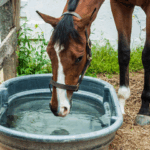 Hydration monitoring: ensuring adequate water intake for your horse
- How do I handle a horse that panics inside the trailer?