A mature American Quarter Horse typically weighs between 950 and 1,200 pounds. This weight range can vary based on factors such as age, diet, and exercise regimen. Understanding the weight of a Quarter Horse is essential for proper care and management, ensuring the horse maintains a healthy lifestyle.
What Factors Affect the Weight of an American Quarter Horse?
Several factors influence the weight of an American Quarter Horse, including genetics, nutrition, and physical activity. Recognizing these elements can help owners manage their horses’ health more effectively.
- Genetics: Horses inherit their size and build from their parents. Some Quarter Horses may naturally be larger or smaller based on their lineage.
- Nutrition: A balanced diet rich in essential nutrients is crucial. Overfeeding or underfeeding can lead to weight issues.
- Exercise: Regular physical activity helps maintain a healthy weight. Horses that engage in activities like racing or ranch work may have different weight needs than those that are less active.
How Does Age Influence a Quarter Horse’s Weight?
Age plays a significant role in determining the weight of a Quarter Horse. Young horses are still growing and will weigh less than mature horses. As horses age, their metabolism may slow, potentially leading to weight gain if not managed properly.
- Foals and Yearlings: Typically weigh significantly less as they are still developing.
- Mature Horses: Reach their full weight potential around 5-7 years of age.
- Senior Horses: May experience weight fluctuations due to changes in metabolism and health.
What is the Ideal Diet for Maintaining a Healthy Weight?
To maintain a healthy weight, a Quarter Horse’s diet should be well-balanced and tailored to its specific needs. Here are some dietary considerations:
- Forage: The primary component of a horse’s diet should be high-quality hay or pasture.
- Grain: Supplementing with grain can provide additional energy but should be given in moderation.
- Supplements: Vitamins and minerals may be necessary to fill nutritional gaps, especially for horses with specific dietary restrictions.
How Does Exercise Impact a Quarter Horse’s Weight?
Exercise is vital for maintaining a healthy weight and overall well-being. The type and amount of exercise should be appropriate for the horse’s age, health, and activity level.
- Regular Exercise: Helps burn calories and maintain muscle tone.
- Activity Levels: Horses involved in high-intensity activities may require more calories to sustain their energy needs.
- Rest Periods: Adequate rest is necessary to prevent overtraining and injury.
People Also Ask
How Can I Tell If My Quarter Horse is Overweight?
To determine if a Quarter Horse is overweight, perform a visual and physical examination. Look for excess fat around the neck, withers, and tailhead. You should be able to feel the ribs with slight pressure but not see them. Consulting a veterinarian can provide a more accurate assessment.
What is the Average Lifespan of an American Quarter Horse?
The average lifespan of an American Quarter Horse is around 25-30 years. Proper care, including a balanced diet and regular veterinary check-ups, can help ensure a long and healthy life.
How Much Should a Quarter Horse Eat Daily?
A mature Quarter Horse typically consumes 1.5-2% of its body weight in forage daily. For a 1,000-pound horse, this equates to 15-20 pounds of hay or pasture. The amount of grain and supplements will depend on the horse’s activity level and specific nutritional needs.
Are Quarter Horses Good for Beginners?
Yes, Quarter Horses are known for their calm temperament and versatility, making them suitable for beginners. They are often used in various disciplines, including trail riding, ranch work, and competitive events.
What Are Common Health Issues in Quarter Horses?
Common health issues in Quarter Horses include laminitis, colic, and navicular syndrome. Regular veterinary care, a balanced diet, and proper exercise can help prevent these conditions.
Conclusion
Understanding the weight of a mature American Quarter Horse is crucial for ensuring its health and well-being. By considering factors such as genetics, diet, and exercise, horse owners can maintain their horses at an optimal weight. For further information on horse care, consider exploring topics like "Common Health Issues in Horses" or "Best Practices for Feeding Horses."
By providing your Quarter Horse with the right care and attention, you can ensure a happy and healthy life for your equine companion.
Related Posts
- Is it necessary to provide shelter for horses during winter?
- Can pregnant mares be vaccinated for West Nile virus?
- Are there any guidelines for replacing children's riding helmets?
- What is the best way to increase a horse's jumping height?
- How can I ensure my senior horse gets enough vitamins and minerals?
- Should horse blankets be stored in a climate-controlled area?
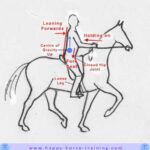 Teaching your horse to accept different riders
- What should you do if your horse gets spooked by an animal?
- What are some ways to build resilience against riding anxiety?
- How can I ensure my horse is not stressed by jumping?