Oil application on tack is essential for maintaining its condition, but knowing how long to leave the oil on before wiping it off is crucial. Generally, oil should be left on tack for about 30 minutes to allow for adequate absorption before wiping off any excess. This ensures the leather remains supple and well-conditioned without becoming overly saturated.
How Long Should Oil Be Left on Tack Before Wiping Off?
Oil absorption time is a critical aspect of leather care. When oiling tack, it’s essential to strike a balance between allowing the leather to absorb enough oil for conditioning and avoiding over-saturation. Here’s a comprehensive guide on how to manage this process effectively.
Why Is Oiling Tack Important?
Oiling tack is crucial for maintaining the durability and flexibility of leather. Regular oiling prevents the leather from drying out and cracking, which can compromise the safety and comfort of both the rider and the horse. Properly oiled tack is not only more comfortable but also extends the life of your leather goods.
What Type of Oil Should Be Used?
Selecting the right oil is vital for effective leather care. Here are some popular options:
- Neatsfoot Oil: A traditional choice, great for deep conditioning.
- Leather Oil: Specifically formulated for leather, often containing a blend of oils and conditioners.
- Mineral Oil: A lighter option, suitable for more delicate leather.
Each type of oil has its benefits, and the choice often depends on personal preference and the specific needs of your leather tack.
How to Apply Oil to Tack?
- Clean the Leather: Before applying oil, ensure the leather is clean. Use a damp cloth or a leather cleaner to remove dirt and grime.
- Apply the Oil: Use a soft cloth or sponge to apply a thin, even layer of oil. Focus on areas that experience the most wear and tear.
- Allow Absorption: Let the oil sit for about 30 minutes. This time allows the oil to penetrate the leather fibers effectively.
- Wipe Off Excess: After the absorption period, use a clean cloth to wipe off any excess oil. This prevents the leather from becoming sticky or attracting dirt.
How Often Should Tack Be Oiled?
The frequency of oiling depends on several factors, including usage, climate, and leather type. As a general rule:
- Frequent Use: Oil every 1-2 months.
- Infrequent Use: Oil every 3-4 months.
- Dry Climates: Increase frequency to prevent drying out.
What Are the Signs of Over-Oiling?
Over-oiling can lead to several issues, such as:
- Sticky Texture: Excess oil can make leather sticky and uncomfortable.
- Darkening: While some darkening is normal, excessive oil can alter the leather’s appearance.
- Weakening: Over-oiled leather may become weak and prone to tearing.
How to Address Over-Oiled Leather?
If you notice signs of over-oiling, follow these steps:
- Wipe Off Excess: Use a dry cloth to remove as much oil as possible.
- Air Dry: Allow the leather to air dry in a cool, shaded area.
- Dust with Cornstarch: Apply cornstarch to absorb excess oil, then brush it off gently.
People Also Ask
How Can I Tell if My Tack Needs Oiling?
Look for signs of dryness, such as a dull appearance, stiffness, or cracking. If the leather feels dry to the touch, it likely needs oiling.
Can I Use Coconut Oil on Leather Tack?
While some people use coconut oil, it’s not recommended for leather tack as it can lead to over-saturation and a greasy finish. Stick to oils specifically formulated for leather care.
How Does Climate Affect Leather Care?
In humid climates, leather may require less frequent oiling, while dry or arid environments necessitate more regular conditioning to prevent drying and cracking.
What Are the Benefits of Using Leather Conditioner?
Leather conditioners are designed to moisturize and protect leather. They often contain a blend of oils and waxes that help maintain flexibility and resist water and dirt.
Is There a Difference Between Oiling and Conditioning Leather?
Yes, oiling primarily focuses on moisturizing and softening leather, while conditioning includes additional protective elements, such as waxes, to guard against environmental damage.
Conclusion
Properly maintaining leather tack involves understanding the balance between oiling and wiping off excess to avoid over-saturation. By following the recommended guidelines for oil application and frequency, you can ensure your tack remains in excellent condition, enhancing both its longevity and performance. For more insights on leather care, consider exploring related topics such as leather cleaning techniques and tack storage solutions.
Related Posts
- What role do floating teeth play in equine dental care?
- How does leadership style impact herd behavior?
- How do you safely hold a lead rope when training a horse?
- Do automated cleaning systems require regular maintenance themselves?
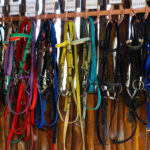 Budget-friendly tack options for new horse owners
- How can beginner riders learn to relax while riding?
- Do horses swish their tails to communicate with other horses?
- What are common misconceptions about horse coat color and heat tolerance?
- How can I use bay leaves to deter flies in the kitchen?
- What are the best cooling techniques for horses after exercise?