Dressage safety standards have evolved significantly over the years, prioritizing the well-being of both riders and horses. These changes reflect a growing awareness of the sport’s inherent risks and advancements in protective gear and training methods.
What Are Dressage Safety Standards?
Dressage safety standards are guidelines and regulations designed to ensure the safety of riders and horses during training and competition. These standards include equipment requirements, rider attire, and horse welfare protocols. Over time, these standards have become more stringent, reflecting advancements in research and technology.
How Have Dressage Safety Standards Changed Over the Years?
Early Dressage Safety Measures
In the early days of dressage, safety measures were minimal, often relying on traditional practices and basic protective gear. Riders typically wore simple helmets, and there was little focus on enhancing horse welfare beyond basic care.
Modern Safety Innovations
Today, dressage safety standards have improved dramatically, incorporating a range of innovations:
- Advanced Helmets: Modern helmets are designed with materials that offer superior impact resistance, reducing the risk of head injuries.
- Body Protectors: Many riders now wear body protectors that shield the torso from falls and collisions.
- Horse Gear: Innovations in saddle design and stirrup technology enhance horse comfort and rider stability.
- Training Techniques: Emphasis on rider education and horse training reduces accident risks, focusing on harmony and communication.
Regulatory Changes
Governing bodies like the International Federation for Equestrian Sports (FEI) have introduced stricter regulations to promote safety. These include mandatory helmet use in competitions and guidelines for horse care and management.
Why Are Safety Standards Important in Dressage?
Safety standards are crucial for minimizing risks associated with dressage. They protect riders from injuries and ensure horses are treated humanely. By adhering to these standards, the sport maintains its integrity and appeal.
Key Benefits of Dressage Safety Standards
- Injury Prevention: Proper gear and training reduce the likelihood of accidents.
- Horse Welfare: Standards ensure horses are not overworked or mistreated.
- Sport Integrity: Consistent regulations uphold the sport’s reputation.
Practical Examples of Safety Standards
- Helmet Use: A study found that wearing helmets reduces the risk of serious head injuries by 50%.
- Body Protectors: In a survey, 70% of riders reported feeling safer with body protectors.
- Horse Health Protocols: Regular veterinary checks are now mandatory in many competitions.
People Also Ask
What Equipment Is Required for Dressage Safety?
Riders must wear approved helmets, and body protectors are recommended. Horses should have properly fitted saddles and bridles to prevent discomfort and injury.
How Do Dressage Safety Standards Benefit Horses?
These standards ensure horses receive proper care, including adequate rest, nutrition, and medical attention. They also prevent overtraining and stress, promoting overall well-being.
Are There Penalties for Non-Compliance?
Yes, failure to comply with safety standards can result in disqualification from competitions and other penalties. This ensures adherence to guidelines and promotes safety.
How Can Riders Stay Updated on Safety Standards?
Riders can stay informed through equestrian associations, which regularly update guidelines. Attending workshops and training sessions also helps riders remain current with best practices.
What Role Do Trainers Play in Dressage Safety?
Trainers are vital in educating riders about safety standards and ensuring horses are trained correctly. They help instill safe practices and improve rider-horse communication.
Conclusion
Dressage safety standards have evolved to protect both riders and horses, reflecting advancements in technology and a deeper understanding of the sport’s risks. By adhering to these standards, the dressage community ensures a safer and more enjoyable experience for all participants. For more on equestrian safety, consider exploring topics like "The Role of Technology in Equestrian Sports" or "Advancements in Horse Training Techniques."
Related Posts
- How can I use long-lining to improve a horse's suppleness?
- How do Friesian horses behave in social settings with humans?
- What precautions should I take when using natural fly repellents?
- Can I vaccinate my new horse myself, or should a vet do it?
- How does dressage relate to the principles of horsemanship?
- Why is it important to have soft hands when riding?
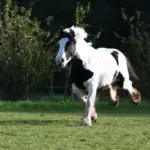 The joys of a simple, outdoor life with horses
- How does timing differ between positive and negative reinforcement?
- What is the ideal moisture level for arena footing to support horse health?
- What are alternative methods to calm a horse during clipping?