The Andalusian horse has long been celebrated for its grace, agility, and strength, qualities that have been showcased prominently in the art of bullfighting. This traditional role has significantly influenced the breed’s international reputation, highlighting its versatility and cultural significance. As a result, the Andalusian horse is revered not just in Spain but around the world for its unique capabilities and historical importance.
What Makes the Andalusian Horse Unique in Bullfighting?
The Andalusian horse, also known as the Pure Spanish Horse, is renowned for its athleticism and intelligence, making it an ideal partner in bullfighting. This equestrian sport demands quick reflexes and precise movements, attributes that the Andalusian horse possesses in abundance.
- Agility: The horse’s ability to make swift lateral movements is crucial in dodging the bull’s charges.
- Bravery: Andalusians are known for their calm demeanor, even in the face of danger.
- Training: These horses are trained rigorously, enhancing their natural talents and ensuring they perform with elegance and precision.
Their role in bullfighting has cemented their status as symbols of Spanish culture, further enhancing their appeal to international audiences who admire their beauty and skill.
How Has Bullfighting Shaped the Andalusian Horse’s Reputation?
Bullfighting has played a pivotal role in shaping the Andalusian horse’s global reputation. This traditional sport has not only showcased the breed’s physical capabilities but also its historical and cultural significance.
- Cultural Symbol: As a central figure in Spanish heritage, the Andalusian horse is seen as a living embodiment of the country’s rich traditions.
- International Recognition: The spectacle of bullfighting has introduced the Andalusian to audiences worldwide, sparking interest and admiration.
- Breeding and Preservation: The demand for these horses in bullfighting has encouraged careful breeding practices to preserve their desirable traits.
The association with bullfighting has thus elevated the Andalusian horse’s status, making it a sought-after breed for both equestrian enthusiasts and cultural historians.
What Are the Characteristics of the Andalusian Horse?
The Andalusian horse is distinguished by several key characteristics that make it ideal for bullfighting and other equestrian pursuits.
- Appearance: Typically, Andalusians have a strong, muscular build, with a well-proportioned body and a thick mane and tail.
- Temperament: Known for their gentle and cooperative nature, these horses are easy to train and eager to please.
- Versatility: Aside from bullfighting, Andalusians excel in dressage, show jumping, and other equestrian sports.
These traits have contributed to the breed’s enduring popularity and its reputation as one of the most versatile and aesthetically pleasing horse breeds in the world.
How Is the Andalusian Horse Viewed Internationally?
Internationally, the Andalusian horse is celebrated for its beauty and versatility. Its role in bullfighting has introduced the breed to a wide audience, enhancing its appeal beyond Spain.
- Equestrian Competitions: Andalusians are frequently seen in international equestrian competitions, where they excel in disciplines such as dressage.
- Cultural Ambassadors: As representatives of Spanish culture, these horses are often featured in cultural exhibitions and festivals worldwide.
- Popularity: The breed’s popularity has led to the establishment of Andalusian horse associations in various countries, promoting their qualities and ensuring their preservation.
The global admiration for the Andalusian horse continues to grow, driven by its impressive abilities and cultural significance.
People Also Ask
What is the history of the Andalusian horse?
The Andalusian horse has a rich history dating back to ancient times. Originating from the Iberian Peninsula, it was favored by nobility and used as a warhorse due to its strength and agility. Over centuries, it became integral to Spanish culture, particularly in bullfighting and classical riding.
How are Andalusian horses trained for bullfighting?
Training an Andalusian horse for bullfighting involves rigorous preparation. Trainers focus on enhancing the horse’s natural agility and responsiveness through exercises that simulate bullfighting scenarios. This training helps develop the horse’s ability to perform complex maneuvers with precision and grace.
Are Andalusian horses used in other sports?
Yes, Andalusian horses are highly versatile and are used in various equestrian sports. They are particularly popular in dressage due to their expressive movements and willingness to perform. Additionally, they participate in show jumping, eventing, and even parades and ceremonies.
What are the challenges facing Andalusian horse breeders?
Breeders of Andalusian horses face challenges such as maintaining the breed’s purity and desirable traits. There is also a need to balance traditional practices with modern breeding techniques to ensure the health and sustainability of the breed. Preservation of their historical lineage is a priority for many breeders.
How has modern perception of bullfighting affected the Andalusian horse?
The modern perception of bullfighting, with growing concerns over animal welfare, has influenced the role of Andalusian horses. While bullfighting remains a traditional practice, there is an increasing emphasis on showcasing the breed’s talents in non-violent equestrian sports, preserving their cultural significance without controversy.
Conclusion
The Andalusian horse’s role in bullfighting has been instrumental in shaping its international reputation. Known for its agility, intelligence, and cultural significance, this breed continues to captivate audiences worldwide. As the conversation around traditional practices evolves, the Andalusian horse remains a celebrated symbol of Spanish heritage and a versatile participant in global equestrian sports. For those interested in exploring more about this magnificent breed, consider learning about its role in dressage or the history of Spanish equestrian traditions.
Related Posts
- Why is ear observation crucial for understanding herd dynamics?
- What are the benefits of rotational grazing for wildlife?
- What is the impact of consistency on a horse's learning process?
- Are there specific training techniques to address head tossing?
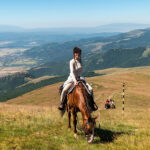 Cultural and historical sites accessible by horse
- How does physical activity affect calcium needs?
- What are common vaccination requirements for horse shows in the U.S.?
- How can desensitization help with a dominant horse?
- How do I keep my young horse focused on the trail?
- What strategies can be used to manage pastures during wet weather?