Ventilation is key to reducing heat stress in workplaces by removing hot, humid air and replacing it with cooler, drier air. Effective ventilation helps the body regulate its temperature through sweat evaporation, preventing conditions like heat exhaustion and heatstroke, which can occur when the body’s cooling mechanisms fail due to high temperatures and humidity. Proper ventilation ensures a safer and more comfortable working environment.
How Ventilation Systems Combat Workplace Heat Stress?
Ventilation systems mitigate heat stress by facilitating the removal of heat and humidity from the workspace. This process is crucial because high temperatures and humidity levels impair the body’s natural cooling mechanisms, primarily sweating. When sweat evaporates, it cools the skin, but this process is less effective in humid conditions. By introducing fresh air, ventilation systems enhance sweat evaporation, helping workers maintain a safe body temperature and preventing heat-related illnesses.
Types of Ventilation Strategies
There are two main types of ventilation: natural and mechanical.
- Natural ventilation uses natural forces like wind and thermal effects to move air through a space. This can be achieved by opening windows or using chimneys to facilitate airflow.
- Mechanical ventilation employs fans and other equipment to force air in and out of a space, offering more control over airflow, temperature, and air quality.
Key Components of Mechanical Ventilation Systems
Mechanical ventilation systems typically include several key components:
- Fans: To move air.
- Heaters: To adjust air temperature.
- Filters: To remove dust and other particles.
These systems can be designed to either create positive or negative pressure within a space. Positive pressure systems ensure that air leaks outward, preventing contaminants from entering, which is useful in environments like hospitals. Negative pressure systems, on the other hand, prevent fumes and odors from escaping, making them suitable for laboratories and industrial settings.
What are the Signs and Symptoms of Heat-Related Illnesses?
Understanding the signs and symptoms of heat-related illnesses is crucial for timely intervention.
- Heat Exhaustion: Symptoms include thirst, fatigue, giddiness, muscle cramps, and possible fainting. Body temperature may be normal or slightly elevated, and heavy sweating is common.
- Heatstroke: A more severe condition characterized by an extremely high body temperature (above 106°F or 41°C), hot and dry skin, rapid pulse, headache, dizziness, nausea, confusion, and potential loss of consciousness. Heatstroke can lead to coma, convulsions, and even death if not treated promptly.
How Can Workplaces Improve Ventilation to Reduce Heat Stress?
To enhance ventilation and reduce heat stress, workplaces can implement several strategies:
- Increase Airflow: Ensure adequate airflow by opening windows and doors where possible, or by using fans to circulate air.
- Use Local Exhaust Ventilation: Implement local exhaust ventilation systems in areas where heat or pollutants are generated to capture and remove them at the source.
- Provide Cooling Stations: Set up cooling stations with air-conditioned spaces or shaded areas where workers can take breaks and cool down.
- Adjust Work Schedules: Modify work schedules to avoid the hottest parts of the day, or implement more frequent breaks to allow workers to recover.
- Provide Training: Educate workers on the risks of heat stress, how to recognize symptoms, and the importance of staying hydrated and using ventilation systems effectively.
People Also Ask (PAA)
What is the difference between heat exhaustion and heatstroke?
Heat exhaustion and heatstroke are both heat-related illnesses, but heatstroke is much more severe. Heat exhaustion involves symptoms like heavy sweating, weakness, and dizziness, with a normal or slightly elevated body temperature. Heatstroke, however, is characterized by a dangerously high body temperature (above 106°F), hot, dry skin, and potential neurological symptoms like confusion or loss of consciousness. Heatstroke requires immediate medical attention and can be fatal.
How does humidity affect heat stress?
Humidity significantly exacerbates heat stress because it reduces the effectiveness of sweating, the body’s primary cooling mechanism. When the air is humid, sweat does not evaporate as quickly, which means less heat is removed from the body. This can lead to a rapid increase in body temperature and an increased risk of heat-related illnesses like heat exhaustion and heatstroke.
What are the long-term effects of heat stress on workers’ health?
Chronic exposure to heat stress can lead to several long-term health issues. These include cardiovascular strain, kidney problems, and respiratory issues. Additionally, persistent heat stress can cause chronic fatigue, reduced cognitive function, and increased risk of accidents due to impaired judgment and coordination. Proper ventilation and other cooling strategies are essential to mitigate these long-term health risks.
By implementing effective ventilation strategies, providing training, and recognizing the signs and symptoms of heat-related illnesses, workplaces can create a safer and more comfortable environment for workers.
Want to explore other occupational hazards and how to prevent them?
Related Posts
- How does scarcity influence herd behavior in marketing?
- How can I gain a horse's trust quickly?
- How does herd behavior affect the adoption of new health technologies?
- What is a safety knot for horses?
- How important is breathing during bending exercises?
- What role does a horse's temperament play in learning new behaviors?
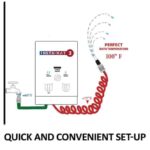 Water heater options for winter months for your horse
- What strategies can improve clarity in horse communication?
- How does grooming help with a horse's desensitization?
 Temperature, pulse, and respiration: vital signs in horses