The age of your horse significantly influences its farrier needs, as different life stages require varying levels of care and attention. Young horses, adult horses, and senior horses each have unique hoof care requirements that ensure their overall health and performance.
How Does the Age of My Horse Affect Farrier Needs?
Understanding how a horse’s age affects its farrier requirements is crucial for maintaining optimal hoof health. Young horses, adults, and seniors have distinct needs that should be addressed to prevent potential issues and promote well-being.
What Are the Farrier Needs of Young Horses?
Young horses, particularly foals and yearlings, have rapidly growing hooves that require frequent attention. Regular trimming is essential to prevent deformities and ensure proper hoof development.
- Trimming Frequency: Every 4-6 weeks
- Focus Areas: Correcting any angular limb deformities, ensuring balanced hoof growth
- Special Considerations: Monitor for signs of developmental orthopedic disease
How Do Adult Horses’ Farrier Needs Differ?
Adult horses generally have more established hoof structures, but their farrier needs can vary based on activity level and environment. Regular maintenance helps prevent common issues such as cracks or imbalances.
- Trimming and Shoeing Frequency: Every 6-8 weeks
- Focus Areas: Maintaining hoof balance, addressing wear from activity
- Special Considerations: Horses used for performance may require specialized shoeing
What Are the Farrier Needs for Senior Horses?
Senior horses often face unique challenges like arthritis or decreased hoof growth. Their farrier care should focus on comfort and addressing any age-related issues.
- Trimming Frequency: Every 6-10 weeks, depending on hoof growth
- Focus Areas: Managing comfort, addressing hoof changes due to aging
- Special Considerations: Monitor for increased susceptibility to laminitis or other hoof conditions
How Can Environmental Factors Influence Farrier Needs?
The environment plays a significant role in determining a horse’s farrier needs. Factors such as terrain, climate, and stable conditions can impact hoof health and care requirements.
- Terrain: Hard surfaces may require more frequent shoeing
- Climate: Wet conditions can lead to softer hooves, increasing the risk of thrush
- Stable Conditions: Clean, dry bedding helps maintain hoof integrity
How Does Nutrition Affect Hoof Health?
Proper nutrition is critical for maintaining healthy hooves across all ages. A balanced diet with adequate vitamins and minerals supports hoof growth and strength.
- Key Nutrients: Biotin, zinc, copper
- Dietary Considerations: Ensure a balanced diet with appropriate supplements if needed
People Also Ask
How Often Should I Have My Horse’s Hooves Trimmed?
The frequency of hoof trimming depends on the horse’s age, activity level, and environment. Generally, trimming every 4-8 weeks is recommended to maintain hoof health.
What Are Common Hoof Problems in Horses?
Common hoof problems include thrush, cracks, and laminitis. Regular farrier care and monitoring can help prevent and address these issues effectively.
How Do I Choose a Good Farrier for My Horse?
Choosing a good farrier involves considering their experience, expertise, and reputation. Look for a professional who communicates well and has a proven track record of maintaining hoof health.
Can I Trim My Horse’s Hooves Myself?
While some horse owners may choose to learn basic hoof care, it is generally recommended to hire a professional farrier to ensure proper trimming and shoeing techniques.
What Signs Indicate My Horse Needs Farrier Attention?
Signs that your horse needs farrier attention include uneven wear, cracks, or lameness. Regular checks can help detect these issues early.
Conclusion
The age of your horse plays a crucial role in determining its farrier needs. By understanding the specific requirements of young, adult, and senior horses, you can ensure they receive the appropriate care to maintain optimal hoof health. Regular monitoring, a balanced diet, and professional farrier services are essential components of effective hoof care. For more information on maintaining equine health, explore related topics such as horse nutrition and preventing common hoof diseases.
Related Posts
- What is the best way to store a riding helmet?
- Can play behavior indicate a horse's social status?
- How important is a rider's concentration for effective communication with a horse?
- How often should I work on my core to improve posture?
- How can the diet of horses affect the smell in a stable?
- What actions suggest a horse is comfortable with reinforcement methods?
- What techniques can I use to help a horse with trailer anxiety?
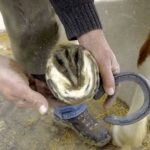 Shoeing fundamentals: a guide for horse owners
- What are some signs that a horse is not warming up properly?
- What role does rein pressure play in horse-rider communication?