How Does Terrain Affect a Horse’s Gait and Health?
The terrain on which a horse moves can significantly impact its gait and overall health. Different surfaces challenge a horse’s balance, muscle use, and joint stress, leading to variations in gait and potential health issues. Understanding these effects helps in choosing the right terrain for training and riding.
How Does Different Terrain Impact a Horse’s Gait?
Horses adapt their gait to the surface they are on, affecting their speed, stability, and comfort. Here’s how different terrains influence a horse’s movement:
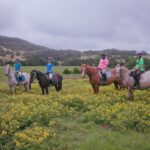
Grass and Soft Ground
- Advantages: Provides cushioning, reducing stress on joints.
- Challenges: Can be slippery, requiring more muscle control for balance.
- Gait Impact: Horses may shorten their stride to maintain stability.
Hard and Rocky Surfaces
- Advantages: Offers firm footing, beneficial for building strength.
- Challenges: Increases concussion on joints, potentially leading to injuries.
- Gait Impact: Horses may develop a stiffer gait to minimize joint impact.
Sand Arenas
- Advantages: Soft but supportive, ideal for training.
- Challenges: Can cause fatigue due to increased effort in movement.
- Gait Impact: Encourages longer strides, promoting muscle development.
Muddy and Wet Conditions
- Advantages: Minimal, often avoided due to risks.
- Challenges: High risk of slipping, leading to injuries.
- Gait Impact: Horses may struggle with balance, leading to uneven gaits.
What Are the Health Implications of Terrain on Horses?
The type of terrain can affect a horse’s health in several ways, from physical injuries to long-term musculoskeletal issues.
Joint Health
- Hard surfaces increase the risk of arthritis due to repeated impact.
- Soft surfaces reduce shock but may lead to muscle fatigue.
Hoof Condition
- Wet or muddy terrain can cause hoof issues like thrush.
- Rocky surfaces may lead to bruising or cracks.
Muscular Development
- Varied terrain helps in building different muscle groups.
- Consistent soft ground may not provide enough resistance for strength building.
Practical Examples of Terrain Management
- Eventing Horses: Train on mixed surfaces to prepare for different competition terrains.
- Trail Riding: Choose routes with varied terrains to enhance balance and adaptability.
- Rehabilitation: Use soft, even ground to minimize stress on injured limbs.
People Also Ask
How Can I Protect My Horse’s Hooves on Rocky Terrain?
To protect your horse’s hooves on rocky terrain, consider using hoof boots or ensuring regular farrier care to maintain healthy hoof walls and soles. This reduces the risk of bruising and cracking.
What Is the Best Terrain for Training Young Horses?
For young horses, sand arenas provide an ideal surface. They offer a balance of softness and support, helping in muscle development without excessive joint stress.
How Does Wet Ground Affect a Horse’s Performance?
Wet ground can severely impact a horse’s performance by increasing the risk of slipping and causing uneven footing. This can lead to cautious, shortened strides and potential injuries.
Why Is Terrain Variety Important for Horses?
Terrain variety is crucial for developing a horse’s balance, strength, and adaptability. It prepares them for different environments and reduces the risk of repetitive strain injuries.
Can Terrain Affect a Horse’s Behavior?
Yes, terrain can influence a horse’s behavior. Horses may become anxious or cautious on unfamiliar or challenging surfaces, affecting their confidence and willingness to move forward.
Conclusion
Understanding how terrain affects a horse’s gait and health is essential for horse owners and riders. By choosing the right surfaces for training and riding, you can enhance your horse’s performance and well-being. Consider integrating a variety of terrains into your horse’s routine to promote overall health and adaptability. For more information on horse care and training, explore our related articles on equine nutrition and exercise routines.
Next Step: To ensure your horse’s optimal health, consult with a veterinarian or a professional trainer to tailor a terrain management plan suited to your horse’s needs.
Related Posts
- What are some homemade remedies for a shiny pet coat?
- What are the color variations in Friesian horses?
- What mental exercises can enhance focus for half-halts?
- How can I prevent mud fever in horses during the winter months?
- What role does vitamin D play in calcium absorption for muscle function in horses?
- When should I consult a veterinarian if my animal's lameness is not improving?
- What are the long-term effects of poor posture on a rider's performance?
- What role does ventilation play in stable disinfection?
 The ultimate guide to horseback riding camps
- What is the history of using cucumbers as a fly deterrent?