Selective breeding significantly increases meat yield in livestock by choosing animals with desirable traits for reproduction. This process enhances growth rates, muscle mass, and overall meat quality, ultimately benefiting farmers with higher productivity and consumers with better products.
What Is Selective Breeding in Livestock?
Selective breeding, also known as artificial selection, involves choosing parent animals with specific traits to produce offspring with enhanced characteristics. This method is widely used in agriculture to improve livestock for higher meat yield, better disease resistance, and improved growth rates. By focusing on these traits, farmers can produce livestock that meets consumer demands more effectively.
How Does Selective Breeding Work to Increase Meat Yield?
Selective breeding increases meat yield by:
- Identifying Desirable Traits: Farmers select animals with traits like fast growth, high muscle content, and efficient feed conversion.
- Controlled Breeding: Only animals with these traits are allowed to reproduce, gradually enhancing the herd’s overall quality.
- Genetic Improvement: Over generations, these traits become more pronounced, leading to livestock that grows faster and produces more meat.
Example of Selective Breeding in Practice
Consider cattle breeding: Farmers may choose bulls and cows known for rapid growth and high muscle mass. By breeding these animals, the resulting calves inherit these traits, leading to a herd that matures quickly and yields more meat per animal.
Benefits of Selective Breeding for Meat Production
Selective breeding offers numerous advantages:
- Increased Efficiency: Livestock that grows faster and converts feed more efficiently reduces production costs.
- Higher Quality Meat: Animals can be bred for better meat quality, including tenderness and flavor.
- Sustainability: Improved feed efficiency means less environmental impact per unit of meat produced.
Statistics on Selective Breeding Impact
- Growth Rate: Selective breeding has increased growth rates in chickens by 300% over the past 50 years.
- Feed Efficiency: Modern cattle require 20% less feed to produce the same amount of meat compared to 50 years ago.
Challenges and Considerations in Selective Breeding
While selective breeding offers many benefits, it also presents challenges:
- Genetic Diversity: Focusing on specific traits can reduce genetic diversity, making animals more susceptible to diseases.
- Ethical Concerns: There are ethical considerations regarding animal welfare and the manipulation of natural breeding processes.
- Unintended Consequences: Breeding for specific traits may inadvertently affect other characteristics, such as fertility or health.
People Also Ask
How Does Selective Breeding Affect Animal Health?
Selective breeding can both positively and negatively affect animal health. While it can enhance disease resistance, it may also lead to health issues if genetic diversity is compromised. Ensuring a balanced approach is crucial to maintaining animal welfare.
What Animals Are Commonly Subject to Selective Breeding?
Commonly bred livestock includes cattle, pigs, chickens, and sheep. Each species is selected for traits like size, growth rate, and meat quality to improve production efficiency.
Is Selective Breeding the Same as Genetic Modification?
No, selective breeding and genetic modification are different. Selective breeding involves choosing naturally occurring traits, while genetic modification involves directly altering an organism’s DNA.
How Long Does It Take for Selective Breeding to Show Results?
The effects of selective breeding can be seen within a few generations, typically over several years. However, significant improvements may take decades, depending on the traits and species.
Can Selective Breeding Be Used for Traits Other than Meat Yield?
Yes, selective breeding is used for various traits, including milk production, egg yield, wool quality, and disease resistance, enhancing overall agricultural productivity.
Conclusion and Next Steps
Selective breeding plays a crucial role in increasing meat yield in livestock, offering economic and environmental benefits. However, it requires careful management to ensure animal welfare and maintain genetic diversity. For those interested in exploring more about agricultural practices, consider reading about sustainable farming techniques or advancements in animal genetics.
Related Posts
- How do I manage water drainage in a stable?
- How can I tell if my horse's biting is a sign of colic?
- How can I measure the impact of riding lessons on my confidence?
- How do I ensure my horse maintains balance while bending?
- What gear is essential for cycling in cold weather?
- How can visualization be integrated into daily routines?
- How can I prevent clipper blades from rusting?
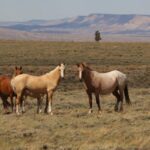 Mustangs vs. domestic horses: behavioral differences
- How can consistent routines aid in catching a difficult horse?
- What are examples of improper use of aids?