Overgrazing can significantly increase the risk of laminitis in horses by disrupting the balance of their diet and digestive health. When horses consume excessive amounts of rapidly fermentable carbohydrates from lush pastures, it leads to a cascade of metabolic events that trigger inflammation in the laminae, the sensitive tissues within the hoof. This inflammation can cause severe pain and, in chronic cases, lead to permanent damage and disability.
How Overgrazing Leads to Laminitis in Horses
What is Laminitis?
Laminitis is the inflammation and damage to the laminae within a horse’s hoof. These laminae are critical in supporting the coffin bone within the hoof. When they become inflamed, the connection between the coffin bone and the hoof wall weakens, potentially leading to rotation or sinking of the coffin bone. This condition is extremely painful and can be debilitating for horses.
Why Does Overgrazing Pose a Risk?
Overgrazing, particularly on lush pastures, increases the risk of laminitis due to the high levels of nonstructural carbohydrates (NSCs), such as sugars and starches, in rapidly growing grasses. When horses consume large quantities of these NSCs, it can overwhelm their digestive system, leading to a rapid fermentation in the hindgut. This fermentation process results in:
- Increased lactic acid production: An overabundance of NSCs leads to a surge in lactic acid-producing bacteria, lowering the pH in the hindgut.
- Death of beneficial bacteria: The acidic environment harms beneficial bacteria, leading to the release of endotoxins.
- Endotoxin release: Endotoxins enter the bloodstream, triggering an inflammatory response throughout the horse’s body, including the laminae in the hooves.
How Does Diet Impact Laminitis Risk?
A diet high in NSCs is a primary risk factor for laminitis. Obesity and related metabolic issues exacerbate this risk. Horses that are overweight or have insulin resistance are more prone to developing laminitis when exposed to high levels of sugars and starches.
Practical Steps to Reduce Laminitis Risk
To mitigate the risk of laminitis associated with overgrazing, consider the following strategies:
- Limit Pasture Access: Restrict grazing time, especially during peak NSC production times (e.g., morning hours on sunny days).
- Use Grazing Muzzles: These devices reduce grass intake while allowing the horse to remain on pasture.
- Dry Lot or Sacrifice Area: Provide a dry lot or sacrifice area where horses can exercise without access to grass.
- Regular Exercise: Consistent physical activity helps manage weight and improve insulin sensitivity.
- Balanced Diet: Ensure the horse’s diet is balanced with appropriate levels of fiber, protein, and fat, and limit NSC intake.
- Regular Farrier Care: Proper hoof trimming and balance can help reduce stress on the laminae.
People Also Ask (PAA) Section
What are the early signs of laminitis?
Early signs of laminitis can be subtle but may include increased digital pulse in the hoof, tenderness in the toe region, and a stance where the horse shifts weight between its feet. Horses might also exhibit reluctance to turn or walk, and their hooves may feel warmer than usual. Early detection and intervention are crucial to preventing severe damage.
How is laminitis diagnosed?
Laminitis is typically diagnosed through a combination of physical examination, assessment of clinical signs (such as hoof temperature and digital pulse), and diagnostic imaging like radiographs. Radiographs can reveal the degree of coffin bone rotation or sinking, helping to determine the severity and chronicity of the condition. Veterinarians also often use blood tests to assess metabolic factors.
Can laminitis be completely cured?
While chronic laminitis can be challenging to manage, early and aggressive treatment can improve the chances of a successful outcome. Management focuses on reducing inflammation, providing pain relief, and supporting the hoof structures. With appropriate care, many horses can return to a comfortable and functional life, though they may require ongoing management and lifestyle adjustments.
What is the role of insulin resistance in laminitis?
Insulin resistance is a significant risk factor for laminitis. In insulin-resistant horses, cells do not respond effectively to insulin, leading to elevated insulin levels in the blood. High insulin levels can trigger laminitis by disrupting the metabolism in the laminae and increasing inflammation within the hoof. Managing insulin resistance through diet and medication is crucial in preventing and treating laminitis.
In summary, overgrazing increases the risk of laminitis by exposing horses to high levels of NSCs, which can disrupt their digestive health and trigger systemic inflammation. Implementing careful pasture management and dietary strategies can help mitigate this risk and protect horses from this painful and debilitating condition.
Would you like to explore specific dietary strategies for horses at risk of laminitis?
Related Posts
- How can changes in diet impact a horse's stress response?
- How can I tell if my horse's head tossing is a response to stress?
- What are the signs of vitamin K toxicity in horses?
- What are common reasons a horse might not be aware of rider cues?
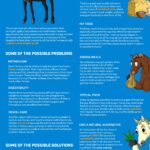 The importance of a good horse diet
- Can laminitis be detected early through specific signs?
- How does fiber intake influence digestion in children versus adults?
- What are the signs a horse shows when affected by a rider's energy?
- How can riders ensure their body language is clear to horses?
- How does the rider's use of aids impact a horse's gaits?