Hydration status significantly influences the efficiency of forage and grain digestion in animals. Proper hydration ensures optimal enzymatic activity and microbial function in the digestive tract, which are crucial for breaking down complex carbohydrates and proteins. Dehydration can lead to reduced digestive efficiency, impacting nutrient absorption and overall health.
How Does Hydration Impact Forage and Grain Digestion?
Maintaining adequate hydration is essential for efficient digestion in animals, particularly when consuming forage and grain. Water plays a crucial role in various digestive processes, and its deficiency can lead to significant health and productivity issues.
What Role Does Water Play in Digestion?
Water is vital for several key digestive functions:
- Enzymatic Activity: Digestive enzymes require water to function effectively. These enzymes break down complex carbohydrates, proteins, and fats into simpler compounds that can be absorbed by the animal.
- Microbial Fermentation: In ruminant animals like cows and sheep, the rumen contains a diverse population of microbes that aid in the fermentation of forage. These microbes thrive in a well-hydrated environment.
- Nutrient Transport: Water helps transport digested nutrients from the digestive tract into the bloodstream, ensuring they reach cells and tissues throughout the body.
- Waste Removal: Adequate hydration supports the excretion of waste products through urine and feces, preventing the buildup of toxins in the body.
What Happens When an Animal is Dehydrated?
Dehydration can severely impair digestive efficiency:
- Reduced Enzyme Production: Dehydration can decrease the production and activity of digestive enzymes, leading to incomplete digestion of forage and grain.
- Impaired Microbial Activity: A lack of water can disrupt the balance of microbial populations in the rumen, reducing their ability to ferment fiber and release nutrients.
- Slower Passage Rate: Dehydration can slow down the passage of feed through the digestive tract, leading to impaction and reduced nutrient absorption.
- Decreased Appetite: Dehydrated animals often experience a decrease in appetite, further reducing their nutrient intake.
How Can Farmers Ensure Adequate Hydration?
To maintain optimal digestive efficiency, farmers should ensure their animals have access to clean, fresh water at all times. Several strategies can help:
- Provide Multiple Water Sources: Ensure that water is available in multiple locations, especially in large pastures or feedlots.
- Monitor Water Quality: Regularly check water sources for contamination and ensure they are clean and free of algae or other pollutants.
- Consider Environmental Factors: During hot weather, animals require more water. Provide shade to reduce heat stress and increase water consumption.
- Supplement with Electrolytes: In situations where animals are losing excessive fluids (e.g., during intense exercise or illness), consider supplementing their water with electrolytes.
People Also Ask (PAA)
How does the moisture content of forage affect digestion?
Forage with high moisture content, such as lush spring pasture, can be very high in water and protein, potentially requiring supplementation with a high-energy source like grain to meet the needs of horses performing medium to heavy work. Conversely, late fall- and winter-pasture forage is low in water and protein and may require protein and vitamin A supplementation.
What are the signs of dehydration in livestock?
Signs of dehydration in livestock include reduced feed intake, dry mucous membranes, decreased urine output, sunken eyes, and loss of skin elasticity. Severely dehydrated animals may also exhibit weakness, incoordination, and recumbency.
Can dehydration lead to colic in horses?
Yes, dehydration is a significant risk factor for colic in horses. Insufficient water intake can lead to impaction colic, where the digestive tract becomes blocked with dry, compacted feed material.
Ensuring proper hydration is crucial for maintaining the health and productivity of livestock. Adequate water intake supports efficient digestion, nutrient absorption, and overall well-being. Want to discover more about how different types of feed affect hydration needs?
Related Posts
- How can I help my horse feel more secure when separated from other horses?
- How does the absorbency of different bedding materials compare?
- Why is it important to practice transitions regularly?
- What is the best way to dry tack after cleaning?
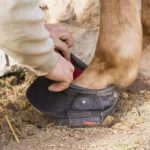 Hoof boot selection for different terrains for your horse
- What exercises can help with maintaining a steady hand position?
- Can horses remember specific cues or signals?
- What are the signs of a confused horse?
- Are automatic watering systems environmentally friendly for dust control?
- Should I consult a veterinarian immediately if my pet is lame?