Fiber plays a crucial role in maintaining the digestive health of older horses by supporting gut function, enhancing nutrient absorption, and preventing common digestive issues. As horses age, their digestive systems can become less efficient, making a fiber-rich diet essential for overall well-being.
Why is Fiber Important for Older Horses?
Fiber is a fundamental component of a horse’s diet, especially for older horses. It helps maintain a healthy digestive tract, supports nutrient absorption, and prevents colic and other digestive disorders. Here are some key reasons why fiber is vital:
- Supports Gut Health: Fiber promotes the growth of beneficial bacteria in the gut, which aids in digestion and helps prevent harmful bacteria from proliferating.
- Enhances Nutrient Absorption: A fiber-rich diet ensures that nutrients are absorbed more efficiently, which is crucial for older horses who may have declining digestive efficiency.
- Prevents Colic: Adequate fiber intake helps prevent colic by keeping the digestive system moving and reducing the risk of impaction.
What Types of Fiber are Best for Older Horses?
Choosing the right type of fiber is essential for the health of older horses. Here are some recommended fiber sources:
- Hay and Pasture: High-quality hay and pasture grasses are excellent sources of fiber, providing essential nutrients and roughage.
- Beet Pulp: This is a highly digestible fiber source that can be soaked and fed to older horses, offering energy without excess sugar.
- Soybean Hulls: These are another digestible fiber option, often included in senior horse feeds to support digestive health.
How Much Fiber Should Older Horses Consume?
Older horses should consume a diet consisting of at least 1-1.5% of their body weight in fiber daily. This ensures they receive enough roughage to maintain gut motility and overall health. Here are some guidelines:
- Monitor Body Condition: Adjust fiber intake based on the horse’s body condition, weight, and health status.
- Consult a Veterinarian: Work with a veterinarian or equine nutritionist to tailor a diet plan specific to your horse’s needs.
What are the Signs of Fiber Deficiency in Older Horses?
Recognizing the signs of fiber deficiency can help prevent serious health issues. Look for these indicators:
- Weight Loss: Inadequate fiber can lead to weight loss and poor body condition.
- Digestive Distress: Symptoms such as diarrhea or constipation may indicate a lack of fiber.
- Poor Coat Condition: A dull or rough coat can be a sign of nutrient deficiencies, including fiber.
Practical Tips for Feeding Fiber to Older Horses
Implementing a fiber-rich diet for older horses can be straightforward with these tips:
- Provide Free-Choice Hay: Allow access to high-quality hay at all times to ensure adequate fiber intake.
- Incorporate Fiber Supplements: Use supplements like beet pulp or soybean hulls to boost fiber content.
- Regular Dental Check-Ups: Ensure teeth are in good condition to allow proper chewing and digestion of fiber.
People Also Ask
How does fiber prevent colic in older horses?
Fiber helps prevent colic by promoting regular gut motility, which reduces the risk of impaction. It also aids in maintaining a healthy balance of gut bacteria, which is crucial for preventing digestive upsets.
Can older horses have too much fiber?
While fiber is essential, excessive amounts can lead to weight gain and reduced nutrient absorption. It’s important to balance fiber intake with other nutrients and monitor the horse’s overall health and weight.
What are the best hay types for senior horses?
Timothy, orchard grass, and alfalfa are excellent hay choices for senior horses. They provide a good balance of fiber, protein, and other nutrients necessary for maintaining health.
How can I tell if my horse’s diet is fiber-rich enough?
Monitor your horse’s body condition, coat quality, and digestive health. Regular veterinary check-ups and consulting with an equine nutritionist can help ensure your horse’s diet meets its fiber needs.
What role does fiber play in nutrient absorption?
Fiber aids in slowing down the digestive process, allowing more time for nutrient absorption. This is particularly important for older horses whose digestive efficiency may decline with age.
Conclusion
Incorporating adequate fiber into the diet of older horses is essential for maintaining digestive health, preventing common issues like colic, and ensuring proper nutrient absorption. By understanding the types and amounts of fiber needed, horse owners can support the well-being of their aging equine companions. For more information on equine nutrition, consider consulting a veterinarian or equine nutritionist to develop a personalized feeding plan.
Related Posts
- How do horses calm anxious humans?
- What body language do horses use to signal danger?
- How do horses use grooming as a social tool?
- How do trainers measure the success of negative reinforcement in horse training?
- What role does hoof care play in managing joint stress in horses?
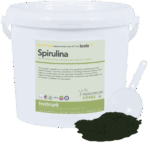 Supplements that benefit horse health
- What should I do if my horse is injured?
- How can I minimize costs for horse shows and competitions?
- Can standing still training help with saddle fitting?
- What role does a horse's ability to read emotions play in its training?