Exercise intensity significantly influences a horse’s electrolyte needs. As exercise intensity increases, horses lose more electrolytes through sweat, necessitating careful management to prevent imbalances that can affect performance and health.
What Are Electrolytes and Why Are They Important for Horses?
Electrolytes are minerals that carry an electric charge and are crucial for many bodily functions. In horses, they help regulate nerve and muscle function, hydrate the body, and balance blood pH levels. The primary electrolytes include sodium, potassium, chloride, calcium, and magnesium. These minerals are vital for maintaining optimal health and performance, especially during intense exercise.
How Does Exercise Intensity Affect Electrolyte Loss in Horses?
The intensity of exercise directly correlates with the amount of sweat a horse produces. As a horse sweats, it loses significant amounts of electrolytes, particularly sodium, chloride, and potassium. High-intensity workouts, such as racing or eventing, can lead to substantial electrolyte depletion, which can impair muscle function and cause fatigue.
Key Factors Influencing Electrolyte Loss
- Sweat Rate: Horses can lose 10-15 liters of sweat per hour during intense exercise.
- Temperature and Humidity: Hot and humid conditions increase sweat production.
- Duration of Exercise: Longer exercise periods result in more electrolyte loss.
How to Manage Electrolyte Needs for Horses?
To manage a horse’s electrolyte needs effectively, it’s essential to tailor supplementation based on exercise intensity and environmental conditions. Here are some strategies:
- Provide Free Access to Salt: Ensure horses have access to a salt block or loose salt to meet their sodium requirements.
- Use Electrolyte Supplements: Administer supplements designed for horses, especially after intense workouts.
- Monitor Water Intake: Encourage adequate hydration, as water is crucial for electrolyte balance.
- Adjust Diet: Incorporate feeds high in electrolytes, such as alfalfa, which is rich in calcium and potassium.
Practical Example: Electrolyte Needs in Different Scenarios
Consider two horses: one participating in light trail rides and another in competitive racing.
| Feature | Light Trail Riding | Competitive Racing |
|---|---|---|
| Sweat Production | Low | High |
| Electrolyte Supplement | Minimal | Essential |
| Hydration Needs | Moderate | High |
Light Trail Riding
- Electrolyte Loss: Minimal
- Supplementation: Occasional use of salt block
Competitive Racing
- Electrolyte Loss: Significant
- Supplementation: Regular use of electrolyte supplements post-exercise
How to Recognize Electrolyte Imbalance in Horses?
Recognizing signs of electrolyte imbalance is crucial for timely intervention. Symptoms may include:
- Dehydration: Dry gums, sunken eyes
- Muscle Cramps: Stiffness or reluctance to move
- Fatigue: Reduced performance or lethargy
- Irregular Heartbeat: Changes in heart rate or rhythm
What Should You Do If You Suspect an Imbalance?
If you observe signs of an electrolyte imbalance, consult a veterinarian for guidance. They may recommend blood tests to confirm deficiencies and appropriate treatment plans.
People Also Ask
How Often Should You Give Electrolytes to Horses?
Electrolytes should be given based on the horse’s workload and sweat loss. For horses in intense training, daily supplementation may be necessary, while those in light work may only need electrolytes occasionally.
Can Over-supplementation of Electrolytes Harm Horses?
Yes, over-supplementation can lead to imbalances and health issues such as kidney stress. Always follow the manufacturer’s guidelines and consult with a veterinarian.
Are There Natural Sources of Electrolytes for Horses?
Yes, natural sources include hay, pasture grasses, and grains. Alfalfa is particularly high in calcium and potassium. However, these may not fully meet the needs of horses in strenuous work.
What Role Does Hydration Play in Electrolyte Balance?
Hydration is critical for maintaining electrolyte balance. Horses should have constant access to clean water, especially after exercise, to replace fluids lost through sweat.
How Can You Encourage a Horse to Drink More Water?
To encourage water intake, offer fresh water frequently, flavor it with apple juice, or provide soaked feeds. Ensuring water is at a comfortable temperature can also help.
Conclusion
Understanding how exercise intensity influences a horse’s electrolyte needs is vital for maintaining their health and performance. By monitoring signs of imbalance and adjusting supplementation accordingly, owners can ensure their horses remain healthy and competitive. For further guidance, consult with a veterinarian or equine nutritionist.
For more information on horse care, consider exploring topics such as horse nutrition basics or hydration strategies for performance horses.
Related Posts
- What role does herd behavior play in the spread of misinformation during a pandemic?
- How can I develop better coordination for light aids?
- What should beginners know about riding in groups?
- What are some effective training techniques to address head tossing?
- What are common digestive issues in horses?
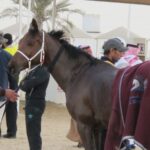 Arabian horses in endurance competition
- What role does self-reflection play in balancing caution and confidence?
- How does heat stress impact a horse's performance?
- How can I ensure my horse gets enough vitamin D in winter?
- Can a horse's ears show signs of confusion?