Exercise significantly impacts a horse’s hydration levels, as physical activity increases fluid loss through sweat, which can lead to dehydration if not managed properly. Understanding how exercise affects equine hydration is crucial for maintaining your horse’s health and performance.
How Does Exercise Affect a Horse’s Hydration?
When a horse exercises, it generates heat, which it dissipates primarily through sweating. This process is essential for thermoregulation but also results in considerable fluid and electrolyte loss. Horses can lose 10-15 liters of sweat per hour during intense exercise, which underscores the importance of monitoring and managing their hydration levels.
Why Is Hydration Important for Horses?
Proper hydration is vital for a horse’s overall health and performance. Dehydration can lead to:
- Reduced performance and stamina
- Muscle cramps and fatigue
- Impaired thermoregulation
- Increased risk of colic
Maintaining optimal hydration helps ensure that your horse can perform at its best and recover effectively after exercise.
How to Assess a Horse’s Hydration Status
There are several methods to evaluate a horse’s hydration:
- Skin Pinch Test: Gently pinch the skin on the horse’s neck. If it snaps back quickly, the horse is likely well-hydrated. A delayed response may indicate dehydration.
- Capillary Refill Time: Press the gum with your finger and release. The color should return within 1-2 seconds. A longer time may suggest dehydration.
- Urine Color: Pale yellow urine typically indicates good hydration, while darker urine may signal dehydration.
How Much Water Does a Horse Need?
A horse’s water intake depends on factors such as exercise intensity, environmental conditions, and diet. On average, a horse requires 5-10 gallons of water daily. However, this amount can increase significantly with exercise and hot weather.
Tips for Maintaining Hydration During Exercise
To ensure your horse stays hydrated, consider the following strategies:
- Provide Access to Fresh Water: Ensure your horse has constant access to clean, fresh water, especially before and after exercise.
- Offer Electrolyte Supplements: Electrolytes help replenish salts lost through sweating. You can offer them in water or as a paste.
- Monitor Weather Conditions: Be mindful of hot and humid conditions, as they increase sweat loss.
- Adjust Workload: During extreme weather, reduce the intensity or duration of exercise to prevent excessive dehydration.
Practical Example
Consider a competitive endurance horse that participates in a 50-mile race. Throughout the event, the horse may lose up to 50 liters of sweat. To prevent dehydration, the rider provides frequent water breaks and administers electrolyte supplements at checkpoints, ensuring the horse maintains its performance and recovers quickly.
People Also Ask
How Can You Tell If a Horse Is Dehydrated?
Signs of dehydration in horses include dry mucous membranes, sunken eyes, lethargy, and prolonged skin pinch test results. Observing these signs can help you take prompt action to rehydrate your horse.
What Are the Best Electrolyte Supplements for Horses?
The best electrolyte supplements for horses contain a balance of sodium, potassium, and chloride. Look for products that are palatable and easy to administer, such as powders or pastes.
Can Horses Drink Too Much Water?
While it’s rare, horses can overhydrate, leading to an imbalance of electrolytes. This condition, called water intoxication, can cause symptoms like weakness and confusion. Always provide water in moderation and balance it with electrolyte intake.
How Does Weather Affect a Horse’s Hydration Needs?
Hot and humid weather increases a horse’s sweat rate, necessitating more water and electrolytes. Conversely, cold weather may reduce water intake, so it’s important to encourage drinking by offering warm water.
What Are the Long-Term Effects of Dehydration in Horses?
Chronic dehydration can lead to kidney damage, reduced performance, and increased susceptibility to colic. Ensuring adequate hydration is crucial for long-term equine health.
Conclusion
Understanding how exercise impacts a horse’s hydration levels is essential for any horse owner or rider. By monitoring hydration status, providing adequate water and electrolytes, and adjusting exercise based on environmental conditions, you can help your horse maintain optimal health and performance. For more information on equine care, consider exploring topics like equine nutrition and horse fitness training.
Related Posts
- How does pasture access impact horse stress levels?
- Can light aids be used effectively without natural aids?
- What techniques can riders use to improve balance through weight distribution?
- What role does rider position play in effective half-halts?
- How can I ensure my horse is getting enough vitamin E?
- What treatments are available for horses with respiratory allergies?
- How does consistent training improve suppleness in horses?
- How can mismatched actions and intentions lead to misunderstandings on the road?
- What role does bedding choice play in stable cleanliness?
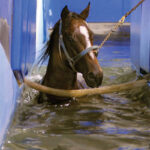 Water requirements: keeping your horse hydrated