It’s true that cold weather can change a horse’s hay requirements. Horses need more hay in cold weather to maintain their body temperature. Hay provides energy through digestion, which helps generate heat. The amount of extra hay needed depends on the horse’s size, breed, coat, and activity level, as well as the severity and duration of the cold weather.
How Does Cold Weather Impact a Horse’s Hay Requirements?
Horses, like all mammals, need to maintain a stable body temperature. In cold weather, horses use extra energy to stay warm. Hay is a crucial source of this energy, as the digestion of fiber generates heat, helping the horse maintain its body temperature. Therefore, when temperatures drop, horses require more hay to meet their increased energy demands. The specific and exact nutrient requirements of horses are poorly understood.
What Factors Influence Hay Consumption in Cold Weather?
Several factors determine how much additional hay a horse needs during cold weather:
- Body Size and Weight: Larger horses need more hay than smaller ones due to their greater mass.
- Breed: Some breeds are more cold-hardy than others.
- Coat Thickness: A thick winter coat provides insulation, reducing the need for extra hay.
- Activity Level: Horses that are ridden or worked during the winter need more energy.
- Weather Conditions: The colder and windier the weather, the more hay is required.
How Much More Hay Should I Feed My Horse in Winter?
There’s no one-size-fits-all answer, but a general guideline is to increase hay by 10-20% when temperatures drop below freezing. Monitor your horse’s body condition closely and adjust the amount accordingly. Good quality grass-legume pastures, in addition to iodized or trace-mineralized salt, will supply adequate nutrients to maintain an adult horse at light work or mares during pregnancy.
What Type of Hay Is Best for Winter Feeding?
High-quality hay is essential, especially during winter. Legume hays, such as alfalfa, are rich in protein and energy, making them a good choice for horses that need to gain or maintain weight. Grass hays, like timothy or orchard grass, are also suitable but may require supplementation to meet the horse’s nutritional needs. High-quality legume hays, such as early bloom alfalfa, are preferred for horses, especially those that are growing or lactating.
Are There Other Ways to Help My Horse Stay Warm in Winter?
Besides increasing hay, other strategies can help keep your horse warm:
- Provide Shelter: A run-in shed or barn offers protection from wind, snow, and rain.
- Blanketing: Use a blanket if your horse is clipped or has difficulty maintaining weight.
- Fresh Water: Ensure access to unfrozen water, as dehydration can increase cold stress.
People Also Ask (PAA) Section:
How does hay help horses stay warm?
The digestion of hay, particularly the fermentation of fiber in the hindgut, produces heat as a byproduct. This internal heat helps the horse maintain its core body temperature, especially during cold weather. Providing adequate hay ensures the horse has a constant source of internal warmth.
Can I feed my horse too much hay in the winter?
While it’s essential to increase hay during winter, overfeeding can lead to weight gain and other health problems. Monitor your horse’s body condition and adjust the amount of hay to maintain a healthy weight. Obesity can increase the risk of laminitis and metabolic disorders.
Should I supplement my horse’s diet in winter?
Depending on the quality of hay and the horse’s individual needs, supplementation may be necessary. Vitamin and mineral supplements can help ensure the horse receives all the nutrients it needs. Consult with a veterinarian or equine nutritionist to determine the best supplementation plan for your horse.
What are the signs of cold stress in horses?
Signs of cold stress include shivering, piloerection (raised hair), lethargy, and decreased appetite. If you notice these signs, increase your horse’s hay ration and provide additional shelter. In severe cases, consult a veterinarian.
How important is water intake for horses in the winter?
Water intake is crucial year-round, but especially so in winter. Dehydration can increase the risk of impaction colic and exacerbate cold stress. Ensure your horse has access to unfrozen water at all times, and consider offering warm water to encourage drinking.
Understanding how cold weather affects a horse’s hay requirements is essential for responsible horse ownership. By adjusting their diet and providing adequate shelter, you can help your horse stay warm and healthy throughout the winter months.
Would you like to explore other aspects of horse care, such as hoof care or dental health?
Related Posts
- How do horses' emotional responses to humans compare to those of rabbits?
- What are some exercises to help a nervous horse gain confidence?
- Is pawing a sign of colic in horses?
- How do you maintain a horse's training to come when called over time?
- How often should a horse receive massage therapy?
- How can you identify if a horse's play is leading to behavioral changes?
- What are some common triggers for horse spookiness?
- What are the signs of cribbing in horses?
- How can athletes stay motivated during precision training?
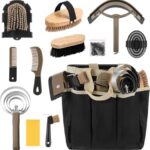 Essential grooming tools every horse owner needs