A balanced diet is crucial for a horse’s digestive health, supplying essential nutrients through forage, roughage, and concentrates. Good-quality pasture can sustain adult horses doing light work, while those in heavy work may need grain supplementation. Avoiding moldy or dusty feeds is essential to prevent poisoning and respiratory issues, and horses should not be fed right before or after work to avoid digestive problems.
How Does a Balanced Diet Impact a Horse’s Digestive System?
A balanced diet significantly supports a horse’s digestive health by ensuring the proper function and well-being of its digestive system. The equine digestive system is particularly sensitive, and dietary imbalances can lead to various health issues, including colic. A balanced diet primarily consists of forage (such as grass and hay), grains, and supplementary nutrients that meet the horse’s specific needs based on its activity level, age, and physiological state.
What are the Key Components of a Balanced Diet for Horses?
The key components include:
- Forage: Should constitute the majority of the diet. High-quality grass and legume hays provide essential fiber, promoting healthy gut motility and preventing digestive upset.
- Grains: Such as oats, corn, and barley, provide energy. Oats are often preferred due to their bulk.
- Supplements: These ensure the horse receives adequate vitamins and minerals, especially when forage quality is insufficient.
- Water: Access to fresh, clean water is crucial, particularly when the horse is shedding its winter coat.
How Does Fiber Contribute to Digestive Health in Horses?
Fiber is vital for maintaining a healthy digestive system in horses. It promotes proper gut motility, preventing impactions and reducing the risk of colic. Forage, rich in fiber, ensures a steady release of energy, supporting the microbial population in the hindgut responsible for fiber digestion. This microbial fermentation produces volatile fatty acids, which serve as a significant energy source for the horse.
What Role Do Probiotics and Prebiotics Play in Equine Digestive Health?
Probiotics and prebiotics can play a beneficial role in equine digestive health by supporting a balanced gut microbiome. Probiotics introduce beneficial bacteria into the horse’s digestive tract, aiding digestion and nutrient absorption. Prebiotics, on the other hand, are non-digestible fibers that promote the growth and activity of these beneficial bacteria. Together, they can enhance digestive efficiency and overall health, particularly in horses with digestive issues or those undergoing dietary changes.
How Can Dietary Changes Affect a Horse’s Digestive System?
Dietary changes can significantly impact a horse’s digestive system. Abrupt changes can disrupt the delicate balance of the gut microbiome, leading to digestive upset, including colic. Gradual dietary transitions are essential to allow the microbial population to adapt to the new feed, ensuring smooth digestion and preventing health issues.
What are Some Common Signs of Digestive Issues in Horses?
Common signs of digestive issues in horses include:
- Colic: Abdominal pain, indicated by pawing, kicking, and rolling
- Loss of Appetite: Reduced interest in food
- Lethargy: Decreased energy levels
- Changes in Fecal Consistency: Diarrhea or constipation
How Can Owners Ensure Their Horses Receive a Balanced Diet?
Owners can ensure their horses receive a balanced diet by:
- Consulting with equine nutritionists to formulate a diet tailored to the horse’s specific needs.
- Providing high-quality forage as the foundation of the diet.
- Gradually introducing any dietary changes.
- Monitoring the horse’s body condition and adjusting the diet as needed.
- Ensuring constant access to fresh, clean water.
By understanding the importance of a balanced diet and implementing appropriate feeding strategies, horse owners can significantly support their horse’s digestive health and overall well-being.
Want to discover more about specific nutrients and supplements beneficial for horses?
Related Posts
- What are the benefits of regular farrier visits for pregnant mares?
- Can half-halts be used to slow down a fast horse?
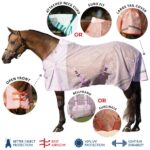 Fly sheet selection: UV protection features for your horse
- How can I find horse-friendly accommodations on the road?
- How do different breeds of horses vary in their learning abilities?
- Is a lead rope necessary for training a horse to back up?
- What are the main features of groupthink?
- How can allergies affect a horse's performance and quality of life?
- Can music help with horse training?
 Wearable technology for horses and riders