A balanced diet of forage and grain is crucial for optimal animal growth, providing essential nutrients like carbohydrates, proteins, fats, minerals, and vitamins. Forage, such as pasture grasses and hays, offers complex carbohydrates and fiber, while grains, including corn and barley, provide readily digestible energy. Balancing these food sources ensures animals receive the necessary energy for maintenance, activity, and growth, with surplus energy stored as body fat for later use.
How Does Forage Contribute to Animal Growth?
Forage, which includes pasture grasses, hays, and silage, is rich in complex carbohydrates like cellulose and hemicellulose. These complex carbohydrates are broken down by bacterial and protozoal action in the rumen of cattle and sheep, or in the cecum of rabbits and horses. This process allows these animals to extract energy from fibrous plant stems that monogastric animals (those with a single-compartment stomach) cannot digest efficiently. Forage also provides essential fiber, promoting healthy digestion and nutrient absorption.
What Role Do Grains Play in Animal Growth?
Grains such as barley, corn, and oats are high in simple carbohydrates like sugars and starches, which are easily digested by all animals. These simple carbohydrates provide a readily available source of energy for growth and activity. Grains are often mixed with high-protein oil meals, minerals, and vitamins to create a complete feed, particularly for pigs and poultry, or as a dietary supplement for ruminants and horses. Corn is especially useful in high-energy feeds, while barley is beneficial for fattening livestock.
How Do Carbohydrates and Fats Impact Animal Growth?
Carbohydrates and fats are the primary sources of energy for animals, fueling life processes and muscular activity. When an animal’s energy intake exceeds its needs, the surplus is stored as body fat, which can be utilized later if food becomes scarce. Fats have a high nutritive value, supplying about two and a quarter times as much energy as an equal weight of starch or sugar. While fats can be replaced by digestible carbohydrates, small amounts of essential fatty acids, such as linoleic acid, are necessary for growth and overall health.
What is the Significance of Minerals and Vitamins?
Minerals and vitamins are essential for maintaining animal health, growth, and reproductive functions. Key minerals include calcium, phosphorus, and salt, which are vital for bone development, milk production, and various physiological processes. Vitamins, such as A, D, and B-complex, play critical roles in growth, immune function, and metabolic processes. For instance, Vitamin D enables animals to use calcium and phosphorus, while B vitamins are crucial for monogastric animals like pigs and poultry.
How Do Antibiotics and Growth Stimulants Affect Animal Growth?
Antibiotics and other growth stimulants are non-nutritive substances added to animal feeds to prevent diseases, improve feed utilization, and enhance overall health. Subtherapeutic use of antibiotics can improve growth performance in young pigs by 10 to 15 percent. However, this practice can lead to antibiotic-resistant bacteria, raising concerns about the long-term effectiveness and safety of antibiotic use in livestock. Other growth enhancers, like hormones, can also change an animal’s metabolism, increasing daily gain and feed efficiency.
People Also Ask (PAA) Section
What are the best grains for animal feed?
The best grains for animal feed include corn, barley, oats, and sorghum. Corn is particularly useful for high-energy feeds, providing a readily digestible source of carbohydrates. Barley is excellent for fattening livestock, while oats offer a more balanced cereal option. Sorghum is also commonly used, especially in regions where it grows well.
How does forage quality affect animal growth?
Forage quality significantly impacts animal growth because it determines the nutrient content and digestibility of the feed. High-quality forage is rich in essential nutrients and easily digestible, allowing animals to efficiently convert it into energy and body mass. Poor-quality forage, on the other hand, may lack essential nutrients and be difficult to digest, leading to reduced growth rates and overall health.
What minerals are most important for animal growth?
The most important minerals for animal growth include calcium, phosphorus, and trace minerals like copper, cobalt, and zinc. Calcium and phosphorus are crucial for bone development and overall skeletal health. Trace minerals like copper and cobalt are essential for hemoglobin formation, while zinc supports growth rate and skin health. A deficiency in any of these minerals can lead to various health problems and stunted growth.
How can I ensure my animals get a balanced diet?
To ensure animals receive a balanced diet, it’s essential to provide a mix of forage and grains, supplemented with necessary minerals and vitamins. Regularly assess the quality of forage and grains to ensure they meet the animal’s nutritional needs. Consult with a veterinarian or animal nutritionist to formulate a diet plan that addresses the specific requirements of the animal species, age, and production stage.
Balancing forage and grain in an animal’s diet is vital for ensuring healthy growth and productivity. Understanding the specific contributions of each component, along with the importance of minerals, vitamins, and responsible use of growth stimulants, can lead to better animal health and more efficient production practices.
Want to discover more about specific nutritional requirements for different types of animals?
Related Posts
- What are the signs of herd behavior in an emergency situation?
- What are the signs that my pet's coat is healthy?
- What is herd behavior and how does it impact decision-making?
- Can regular grooming improve my pet's skin health?
- What are some common mistakes to avoid during trailer loading?
- What are some ways to improve communication with a head-tossing horse?
- How do horses show anxiety?
- How can environmental changes help a horse with separation anxiety?
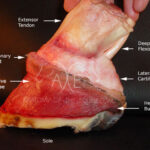 Understanding horse hoof anatomy
- What are the differences between omega-3 and omega-6 for horses?