Managing a horse’s diet during competition season is crucial for optimal performance. A balanced diet of forage, grains, and supplements ensures they have the energy and nutrients needed for peak athletic condition while avoiding digestive issues. Adjustments should be based on the horse’s workload, metabolism, and individual needs.
How to Adjust Your Horse’s Diet During Competition Season?
During competition season, a horse’s nutritional needs change significantly due to increased energy expenditure. The primary goal is to provide sufficient energy to fuel performance while maintaining overall health and preventing digestive upset. This involves carefully balancing forage, concentrates, and supplements, and adjusting the diet based on the intensity and frequency of competitions.
What are the Key Components of a Competition Diet for Horses?
A well-structured competition diet includes several key components:
- Forage: High-quality hay or pasture should form the foundation of the diet. Grass hays like timothy, prairie grass, or orchard grass are often preferred, though legume hays such as alfalfa can be beneficial, especially for horses with higher energy demands.
- Concentrates: Grains such as oats, corn, barley, and wheat provide additional energy. Oats are a traditional favorite due to their bulk, but other grains can be used depending on cost and availability.
- Supplements: Vitamins and minerals may be needed to fill nutritional gaps, especially if the horse’s diet is not perfectly balanced. Electrolytes are crucial for horses that sweat heavily during competition to replace lost minerals.
How Should Forage Intake be Managed?
Forage should make up a significant portion of the horse’s diet, even during competition season. Good quality grass-legume pastures, in addition to iodized or trace-mineralized salt, will supply adequate nutrients to maintain an adult horse at light work or mares during pregnancy.
What Role Do Concentrates Play in a Competition Diet?
Concentrates, primarily grains, are added to the diet to meet the increased energy demands of competition. The amount of concentrate should be adjusted based on the horse’s workload. Lush, early spring pasture is very high in water and protein contents and may need to be supplemented with a high-energy source, such as grain, to meet the needs of horses performing medium to heavy work (such as plowing).
How Can Supplements Enhance Performance?
Supplements can play a vital role in optimizing a competition horse’s diet. Electrolytes are essential for replacing minerals lost through sweat, particularly in hot weather or during strenuous activity.
Practical Tips for Feeding During Competition
- Maintain Consistency: Make dietary changes gradually to avoid digestive upset.
- Monitor Body Condition: Regularly assess your horse’s weight and adjust feed accordingly.
- Provide Constant Access to Water: Hydration is critical, especially during travel and competition.
- Avoid Feeding Before Exercise: Allow adequate time for digestion before strenuous activity.
What to Avoid
Moldy or dusty feeds should be avoided because horses are extremely susceptible to forage poisoning and respiratory complications. Silages of all sorts should be avoided since horses and mules are extremely susceptible to botulism and digestive upsets.
People Also Ask
How do I know if my horse is getting enough energy?
Monitor your horse’s body condition regularly. Ribs should be easily felt but not prominently visible. Adjust the amount of concentrates in the diet based on whether the horse is gaining, losing, or maintaining weight.
What are the signs of electrolyte imbalance in horses?
Signs include muscle cramping, fatigue, dehydration, and decreased performance. Provide electrolytes in the feed or water, especially after heavy sweating.
Can I feed my horse treats during competition?
Treats are fine in moderation, but avoid giving large amounts of sugary treats that can cause energy spikes and crashes. Opt for healthy options like carrots or apples.
Properly managing your horse’s diet during competition season requires careful attention to detail and a thorough understanding of their individual needs. By balancing forage, concentrates, and supplements, you can ensure your horse has the energy and nutrients needed to perform at their best.
Would you like to explore specific feeding strategies for different equestrian disciplines?
Related Posts
- What role does the outside rein play in riding circles?
- How do horses communicate with each other to establish trust?
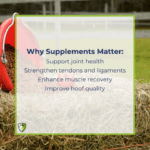 The ultimate guide to horse supplements
- Can lunging help in training young horses?
- Can cycling improve leg strength for beginner riders?
- How can I transition a dominant horse from traditional methods to positive reinforcement?
- What exercises improve hand-eye coordination and precision?
- Do horses respond differently to familiar versus unfamiliar humans?
- How can you use a horse's body language to adjust your trailer training approach?
- What is the impact of a calm voice tone on a horse?