How Do You Know If a Horse Needs Electrolyte Supplements in Winter?
Determining if a horse requires electrolyte supplements in winter involves assessing its activity level, diet, and hydration status. While horses may not sweat as much in colder months, they can still lose essential minerals. Monitoring these factors can help you decide if supplementation is necessary.
Why Consider Electrolyte Supplements for Horses in Winter?
Horses lose electrolytes—such as sodium, potassium, and chloride—through sweat, urine, and feces. In winter, horses may still need electrolyte supplements due to:
- Reduced water intake: Cold weather can decrease a horse’s desire to drink, leading to dehydration.
- Sweating under blankets: Horses can sweat if over-blanketed or during exercise.
- Dietary changes: Winter diets may lack sufficient electrolytes.
Signs Your Horse Might Need Electrolytes
Is Your Horse Drinking Enough Water?
One key indicator of electrolyte need is water consumption. Horses should drink 5-10 gallons daily, even in winter. If your horse drinks less, it may risk dehydration, which electrolytes can help mitigate.
Does Your Horse Sweat in Cold Weather?
Even in cold weather, horses can sweat during exercise or if over-blanketed. Look for:
- Dampness under blankets
- Sweaty areas after workouts
Is Your Horse’s Diet Balanced?
Winter diets often change, and hay may not provide all necessary nutrients. Consider:
- Hay analysis: Check for mineral content.
- Concentrates: Ensure they contain adequate electrolytes.
How to Supplement Electrolytes Safely
What Forms of Electrolytes Are Available?
Electrolytes come in various forms, each with benefits:
| Type | Description | Best Use Case |
|---|---|---|
| Powder | Mixes with feed or water | Daily maintenance |
| Paste | Easy to administer, quick effect | Post-exercise or travel |
| Blocks | Self-regulated, free-access | Ongoing access in stalls or paddocks |
How to Administer Electrolytes
- Mix with feed: Ensure the horse consumes the full dose.
- Add to water: Provide plain water alongside to avoid reduced intake.
- Use paste: Ideal for precise dosing after exercise.
Practical Tips for Winter Electrolyte Management
- Monitor water heaters: Ensure water doesn’t freeze, encouraging drinking.
- Offer warm water: Horses may prefer slightly warmed water in cold weather.
- Check blankets: Adjust blankets to prevent overheating and sweating.
People Also Ask
How Can You Tell If a Horse Is Dehydrated?
Signs of dehydration include dry gums, decreased skin elasticity, and dark urine. Perform a skin pinch test: if the skin doesn’t quickly return to normal, the horse may be dehydrated.
What Are Natural Sources of Electrolytes for Horses?
Natural sources include salt licks, and foods like apples and carrots, which provide potassium. Ensure these are part of a balanced diet.
Can Electrolytes Be Harmful to Horses?
Excessive electrolytes can cause imbalances, leading to diarrhea or kidney strain. Always follow dosage instructions and consult a veterinarian if unsure.
Should Electrolytes Be Used Year-Round?
While more critical in summer, electrolytes can be beneficial year-round, especially for active horses or those with dietary deficiencies.
How Do You Encourage a Horse to Drink More Water?
Flavor water with apple juice or add a small amount of salt to encourage drinking. Ensure water is fresh and at a comfortable temperature.
Conclusion
Understanding your horse’s needs in winter is crucial for maintaining health. By monitoring water intake, sweat levels, and diet, you can determine if electrolyte supplements are necessary. Always consult with a veterinarian to tailor a plan specific to your horse’s needs. For further guidance, explore articles on horse nutrition and winter horse care to ensure comprehensive well-being.
Related Posts
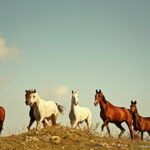 Photography and nature documentation with horses
- What are the safety tips for traveling with kids on public transportation?
- How can you assess lameness severity in livestock?
- What role does hay play in a horse's natural feeding behavior?
- What is the relationship between transitions and survey fatigue?
- How does a rider's confidence affect a horse's behavior?
- What should I do after catching my horse to maintain trust?
- How do feeding methods influence head tossing?
- Do horses prefer calm riders?
- How does understanding road signs and signals contribute to rider safety?