Incorporating legumes with grasses for grazing is a strategic approach to improving pasture quality and livestock nutrition. By combining these two plant types, farmers can enhance soil fertility, increase forage yield, and provide a balanced diet for grazing animals. Here’s how you can effectively integrate legumes into grass pastures.
Why Combine Legumes and Grasses for Grazing?
Combining legumes and grasses in pastures offers numerous benefits. Legumes, such as clover and alfalfa, fix atmospheric nitrogen, enriching the soil and reducing the need for synthetic fertilizers. This results in healthier grass growth and a more sustainable grazing system.
What Are the Best Legumes for Grazing?
Choosing the right legumes is crucial for successful integration. Here are some popular options:
- Clover: White and red clover are common choices due to their adaptability and high nutritional value.
- Alfalfa: Known for its deep roots, alfalfa is drought-resistant and provides high protein content.
- Birdsfoot Trefoil: This legume is less bloat-inducing and thrives in various soil types.
- Vetch: Ideal for cooler climates, vetch grows quickly and enriches the soil with nitrogen.
How to Plant Legumes with Grasses?
To establish a productive pasture, follow these steps:
- Soil Testing: Conduct a soil test to determine pH and nutrient levels. Legumes generally prefer a pH of 6.0 to 7.0.
- Seed Selection: Choose compatible grass and legume species. Consider factors like climate, soil type, and grazing intensity.
- Sowing: Mix legume seeds with grass seeds at recommended ratios. A common mix is 70% grass to 30% legume by seed weight.
- Planting Depth: Sow seeds at the appropriate depth, usually 0.25 to 0.5 inches for legumes.
- Inoculation: Use rhizobium inoculants to ensure nitrogen fixation. This is crucial for legumes that haven’t been previously grown in the area.
Managing Mixed Pastures for Optimal Grazing
Effective management practices ensure the longevity and productivity of mixed pastures:
- Rotational Grazing: Implement rotational grazing to prevent overgrazing and allow plants to recover.
- Fertilization: While legumes reduce the need for nitrogen fertilizers, phosphorus and potassium may still be necessary.
- Weed Control: Monitor and manage weeds to prevent competition with legumes and grasses.
- Monitoring: Regularly assess pasture health and adjust grazing pressure accordingly.
Benefits of Legume-Grass Pastures
Integrating legumes with grasses provides several advantages:
- Improved Soil Health: Legumes enhance soil structure and fertility through nitrogen fixation.
- Enhanced Forage Quality: Mixed pastures offer a balanced diet, increasing livestock productivity.
- Reduced Input Costs: Lower reliance on synthetic fertilizers and improved pasture resilience.
- Biodiversity: Diverse plant species support a healthier ecosystem and reduce pest pressures.
Practical Example: A Case Study
A farm in the Midwest successfully integrated red clover with perennial ryegrass. Over three years, soil nitrogen levels increased by 30%, reducing fertilizer costs by 20%. Livestock showed improved weight gain and overall health, demonstrating the effectiveness of this mixed pasture system.
People Also Ask
How do legumes improve soil fertility?
Legumes improve soil fertility by fixing atmospheric nitrogen through a symbiotic relationship with rhizobia bacteria. This process converts nitrogen gas into a form that plants can use, enriching the soil and benefiting surrounding grasses.
What are the challenges of integrating legumes with grasses?
Challenges include managing bloat risk in livestock, ensuring proper seed inoculation, and balancing species competition. Careful management and monitoring can mitigate these issues.
Can legumes reduce the need for synthetic fertilizers?
Yes, legumes can significantly reduce the need for synthetic nitrogen fertilizers by naturally enriching the soil with nitrogen. However, phosphorus and potassium may still be needed for optimal pasture health.
How do you prevent bloat in livestock grazing on legume-rich pastures?
To prevent bloat, introduce livestock gradually to legume-rich pastures, provide access to dry forage, and consider using anti-bloat supplements. Rotational grazing can also help manage bloat risk.
What is the ideal mix ratio of legumes to grasses?
A common mix ratio is 70% grass to 30% legume by seed weight. However, this may vary based on specific pasture goals, soil conditions, and climate.
Conclusion
Incorporating legumes with grasses for grazing is a sustainable practice that enhances pasture productivity and livestock health. By selecting the right species, managing grazing effectively, and monitoring pasture conditions, farmers can achieve a thriving mixed pasture system. For more insights on sustainable agriculture practices, explore our articles on rotational grazing and soil management.
Related Posts
- What is the danger of using oil-based products excessively on tack?
- How do different flooring materials impact barn dust levels?
- How does anxiety affect a horse's behavior?
- What techniques can help synchronize rein contact with leg aids?
- What are some DIY methods to insulate a barn?
- Can joint supplements help with horse tendon issues?
- Can the trailer's motion affect a horse's willingness to load?
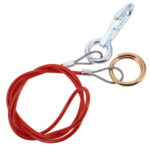 Trailer safety equipment essentials for your horse
- How does a balanced diet contribute to muscle growth and repair?
- How can I make circle work more interesting for my horse?