Incorporating groundwork into warmblood horse training is essential for developing a solid foundation of trust and communication between the horse and rider. Groundwork involves exercises performed on the ground, which help improve the horse’s responsiveness, balance, and overall behavior. By focusing on groundwork, trainers can enhance a horse’s performance under saddle and ensure a safer, more enjoyable riding experience.
Why is Groundwork Important in Warmblood Horse Training?
Groundwork is crucial for warmblood horses due to their size, strength, and temperament. These horses are often used in disciplines like dressage and show jumping, where precision and responsiveness are key. Groundwork helps establish respect and trust, setting the stage for successful under-saddle training.
Benefits of Groundwork for Warmblood Horses
- Improves Communication: Develops a clear language between horse and handler.
- Enhances Balance: Prepares the horse for complex movements by improving coordination.
- Builds Trust: Creates a bond that makes the horse more willing and cooperative.
- Increases Safety: Reduces the risk of accidents by teaching the horse to respond calmly to commands.
How to Start Groundwork with Your Warmblood Horse?
Starting groundwork with a warmblood horse involves a series of structured exercises that focus on respect, control, and communication. Here are some steps to get started:
- Establish Personal Space: Teach the horse to respect your space by leading it around and stopping at your command.
- Desensitization: Gradually introduce the horse to various objects and noises to prevent spooking.
- Yielding Exercises: Encourage the horse to move away from pressure, which is vital for later riding cues.
- Long Lining: Use long lines to simulate riding commands from the ground, improving steering and stopping.
Key Groundwork Exercises for Warmblood Horses
- Lunging: Helps with fitness and responsiveness by working the horse in circles.
- Backing Up: Encourages the horse to move away from pressure and improves obedience.
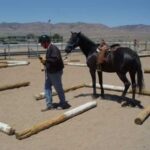
- Pole Work: Introduces obstacles on the ground to enhance coordination and focus.
Best Practices for Effective Groundwork
To ensure effective groundwork, consistency and patience are essential. Here are some best practices:
- Regular Sessions: Incorporate groundwork into your routine several times a week.
- Positive Reinforcement: Reward the horse for correct responses to encourage learning.
- Clear Commands: Use consistent verbal and physical cues to avoid confusion.
- Monitor Progress: Keep track of improvements and adjust exercises as needed.
Common Challenges and Solutions in Groundwork
Working with warmblood horses can present unique challenges due to their size and temperament. Here are some common issues and solutions:
- Resistance to Commands: Use patience and repetition to overcome stubbornness.
- Spooking: Gradually expose the horse to new stimuli to build confidence.
- Inconsistency: Maintain a regular training schedule to reinforce learning.
People Also Ask
How long should a groundwork session last?
A typical groundwork session should last between 20 to 30 minutes. This duration is sufficient to maintain the horse’s focus without causing fatigue. It’s important to end on a positive note to reinforce good behavior.
Can groundwork replace riding?
While groundwork is beneficial, it should not replace riding entirely. Groundwork complements riding by building a strong foundation, but under-saddle work is necessary for developing specific skills required in disciplines like dressage or jumping.
What equipment is needed for groundwork?
Essential equipment for groundwork includes a halter, lead rope, lunge line, and a training stick. These tools help in controlling the horse and reinforcing commands during exercises.
How does groundwork improve a horse’s performance?
Groundwork improves a horse’s performance by enhancing its balance, responsiveness, and trust in the handler. This foundation makes it easier for the horse to learn advanced skills under saddle, leading to better performance in competitions.
What are some signs of progress in groundwork?
Signs of progress include the horse responding promptly to commands, maintaining calmness around new stimuli, and showing willingness to engage in exercises. Consistent improvement in these areas indicates successful groundwork training.
Conclusion
Incorporating groundwork into warmblood horse training is a vital step toward building a strong, trusting relationship between horse and handler. By focusing on exercises that improve communication, balance, and trust, trainers can enhance a horse’s performance and ensure a safer riding experience. Remember to stay patient, consistent, and positive throughout the training process to achieve the best results. For further insights, explore related topics like dressage techniques and advanced lunging exercises.
Related Posts
- What does it mean when a horse paws at the ground?
- Is pawing a behavior that needs to be corrected?
 Teaching your horse to self-load without assistance
 Building your horse's trail confidence
- Did horses lead to the formation of new tribal alliances?
- How can I use leg aids effectively without disrupting rein contact?
- What are some exercises to strengthen my core for bareback riding?
- Is pawing more common in certain horse breeds?
- How do horses sleep?
- What measures can be taken to minimize health problems in selectively bred animals?