Determining a horse’s feed ration based on its workload involves considering several factors, including the horse’s weight, temperament, and the intensity of its activity. Generally, horses at light work can be sustained with good quality pasture and salt, while those performing medium to heavy work may require supplementation with grains and other nutrients. It’s crucial to avoid moldy or dusty feeds to prevent health complications and to ensure a balanced diet tailored to the horse’s specific needs.
How to Calculate a Horse’s Feed Ration?
Calculating a horse’s feed ration involves assessing its energy needs based on workload and providing a balanced diet of roughage and concentrates. Here’s a step-by-step approach:
- Assess the Horse’s Workload: Different workloads require different energy intakes. Light work, such as trail riding, requires less energy than heavy work, such as plowing.
- Determine Body Weight: Estimate the horse’s body weight, as feed requirements are often calculated per hundred pounds of live weight.
- Calculate Daily Feed Requirement: Weanling foals need about 3 pounds of feed per 100 pounds of body weight daily, while mature horses need around 1 pound per 100 pounds of body weight.
- Balance Roughage and Concentrates: A balanced diet includes both roughage (hay or pasture) and concentrates (grains). High-quality legume hays are excellent for horses, especially those growing or lactating.
- Adjust for Individual Needs: Consider the horse’s temperament, metabolic efficiency, and any specific dietary requirements due to age, health, or reproductive status.
What are the Key Components of a Balanced Horse Diet?
A balanced diet for horses includes roughage, concentrates, and supplements to meet their nutritional needs.
- Roughage: Hay and pasture should form the foundation of the diet, providing fiber for digestive health.
- Concentrates: Grains like oats, corn, and barley provide energy. Oats are often preferred due to their bulk.
- Supplements: Depending on the horse’s needs and the quality of the roughage, supplements may include vitamins, minerals, and protein.
How Does Workload Affect a Horse’s Nutritional Needs?
A horse’s workload significantly impacts its nutritional needs. Horses performing light work may only need good quality pasture and salt, while those in medium to heavy work require additional energy from grains.
| Workload | Description
Related Posts
- How can you tell if a horse is about to bite?
- What are the most common mistakes beginners make when choosing riding gear?
- What are the signs of stress in a horse's posture during transport?
- How do mental distractions affect a horse's jumping ability?
- What are some examples of herd behavior in history?
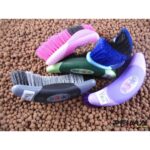 The best brushes and tools for horse grooming
- Should I reward my horse every time it stands still?
- Do ear positions differ between breeds in showing mood?
 Arabian horse shows: halter and performance competition
- What are some ways to prevent pawing in horses?