Assessing the damage to horse facilities after a storm is crucial for ensuring the safety and well-being of both horses and humans. This process involves a thorough evaluation of structures, equipment, and the surrounding environment to identify any hazards or necessary repairs.
What Are the Key Steps in Assessing Storm Damage to Horse Facilities?
When a storm passes, it’s essential to perform a comprehensive inspection of your horse facilities. Here are the critical steps:
- Safety First: Before entering any damaged area, ensure it’s safe. Look out for downed power lines, unstable structures, or flooding.
- Inspect Structures: Check barns, stalls, and fences for visible damage. Look for missing roof shingles, broken windows, or structural shifts.
- Evaluate Equipment: Examine all equipment, such as feed bins and water troughs, for damage. Ensure they are functional and safe for use.
- Assess Pastures and Paddocks: Check for debris, fallen trees, or flooded areas that could pose risks to horses.
- Document Damage: Take photos and notes of all damage for insurance claims and repair planning.
- Prioritize Repairs: Address the most critical issues first, such as structural repairs and clearing hazards.
How to Inspect Horse Barns and Stalls?
Inspecting horse barns and stalls is a priority after a storm. Here’s how to do it effectively:
- Roof and Walls: Look for leaks, missing shingles, or structural damage. Ensure walls are intact and stable.
- Doors and Windows: Check for broken or jammed doors and windows. Ensure they open and close properly to maintain ventilation.
- Flooring: Inspect for water damage or debris that could cause slips or injuries.
What to Look for in Pastures and Paddocks?
Pastures and paddocks can be significantly affected by storms. Consider these aspects:
- Debris: Remove fallen branches, trash, or any foreign objects that could harm horses.
- Fencing: Check for broken or leaning fences. Repair any gaps to prevent horses from escaping.
- Water Drainage: Ensure proper drainage to prevent waterlogging, which can lead to hoof problems.
How to Handle Equipment and Supplies?
After a storm, evaluate all equipment and supplies to ensure they are in working order:
- Feed and Water: Check for contamination. Replace any spoiled feed and ensure water sources are clean and operational.
- Machinery: Inspect tractors, mowers, and other machinery for damage. Perform necessary maintenance before use.
- Tack and Supplies: Ensure all tack and supplies are dry and free from damage to prevent mold and deterioration.
People Also Ask
How Do You Prepare Horse Facilities for Future Storms?
Preparation is key to minimizing damage. Secure loose items, reinforce structures, and establish an emergency plan. Regular maintenance and inspections can also help identify potential vulnerabilities.
What Are Common Insurance Claims for Horse Facilities?
Common claims include structural damage, equipment loss, and fencing repairs. Document all damage thoroughly and contact your insurance provider promptly for guidance on filing a claim.
How Can You Ensure Horse Safety During a Storm?
Ensure horses have access to a safe shelter with adequate ventilation. Remove any potential hazards from their environment and have an emergency kit ready with essential supplies.
What Should You Include in an Emergency Kit for Horses?
An emergency kit should include first-aid supplies, extra feed and water, halters and lead ropes, and any necessary medications. Keep it easily accessible during storms.
How Often Should You Inspect Horse Facilities?
Regular inspections should be conducted monthly, with additional checks after severe weather. This helps identify and address issues before they become significant problems.
Conclusion
Assessing storm damage to horse facilities is a vital task for maintaining safety and functionality. By following a systematic approach, you can identify and address issues efficiently, ensuring the well-being of your horses and the longevity of your facilities. For more information on maintaining horse facilities, consider exploring topics like "Best Practices for Horse Barn Maintenance" or "How to Create a Safe Environment for Horses."
By prioritizing safety, conducting thorough inspections, and preparing for future storms, you can mitigate risks and ensure a secure environment for your horses.
Related Posts
- How often do horses need their teeth floated?
- What are the ethical considerations in collection development?
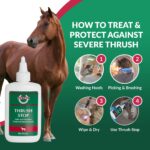 Thrush in horse hooves: causes and solutions
- How often does colic occur in horses?
- How can you transition a horse from negative to positive reinforcement?
- How many plants are needed to see a noticeable reduction in dust?
- How do shared experiences contribute to learning and growth in a team setting?
- How can I improve my balance for bareback riding?
- Can supplements help with weight management in older horses?
- What is the difference between pawing and digging in horses?