Maintaining cleanliness in a horse barn is essential for the health and well-being of your horses. A clean barn reduces the risk of disease, improves air quality, and creates a more pleasant environment for both horses and handlers. Here’s a comprehensive guide to keeping your horse barn clean and well-maintained.
Why is Barn Cleanliness Important?
Ensuring a clean horse barn is crucial for several reasons:
- Health: Reducing dust and allergens helps prevent respiratory issues in horses.
- Sanitation: A clean environment minimizes the spread of bacteria and parasites.
- Safety: A tidy barn reduces the risk of accidents and injuries.
- Comfort: Both horses and handlers benefit from a more pleasant atmosphere.
How to Maintain Cleanliness in a Horse Barn
1. Develop a Daily Cleaning Routine
Creating a consistent daily routine is key to maintaining barn cleanliness. Here’s a simple checklist:
- Muck Stalls: Remove manure and soiled bedding daily to prevent odors and bacteria buildup.
- Refill Water Buckets: Clean and refill water buckets to ensure your horses have access to fresh water.
- Sweep Aisles: Keep aisles clear of debris and dust to maintain a safe and clean environment.
- Check Feeders: Clean feeders regularly to prevent mold and contamination.
2. Implement a Weekly Deep Cleaning
In addition to daily tasks, a weekly deep cleaning is necessary for thorough maintenance:
- Disinfect Stalls: Use a horse-safe disinfectant to clean stall walls and floors.
- Wash Walls and Doors: Remove cobwebs and dust from walls and doors for improved air quality.
- Clean Tack and Equipment: Regularly clean tack and grooming tools to prevent the spread of germs.
3. Manage Waste Effectively
Proper waste management is crucial for barn cleanliness:
- Compost Manure: Set up a composting system to recycle manure and reduce waste.
- Dispose of Bedding: Use biodegradable bedding materials and dispose of them responsibly.
- Control Odors: Use natural odor control solutions, such as baking soda or essential oils.
4. Maintain Proper Ventilation
Good ventilation is vital for a healthy barn environment:
- Open Windows and Doors: Ensure proper airflow by keeping windows and doors open when possible.
- Install Fans: Use fans to circulate air and reduce humidity.
- Check Ventilation Systems: Regularly inspect and clean ventilation systems to ensure optimal performance.
5. Regular Pest Control
Prevent pests from becoming a problem in your barn:
- Seal Entry Points: Inspect and seal gaps or holes where pests might enter.
- Use Natural Repellents: Employ natural pest repellents, like diatomaceous earth, to deter insects.
- Hire Professional Services: Consider professional pest control services for severe infestations.
Practical Tips for Barn Cleanliness
- Organize Supplies: Keep cleaning supplies organized and easily accessible.
- Schedule Maintenance: Regularly inspect and maintain barn infrastructure, such as roofs and gutters.
- Educate Staff: Train staff on proper cleaning techniques and the importance of barn hygiene.
People Also Ask
How Often Should I Clean Horse Stalls?
Horse stalls should be cleaned daily to remove manure and soiled bedding. This routine helps prevent odors and reduces the risk of disease. Weekly deep cleaning, including disinfecting stalls, is also recommended for thorough maintenance.
What Type of Bedding is Best for Horse Barns?
The best bedding for horse barns includes straw, wood shavings, or sawdust. These materials are absorbent and help control odors. Choose biodegradable options for easy disposal and composting.
How Can I Control Flies in the Barn?
To control flies, maintain cleanliness, use fly traps, and apply fly sprays. Install screens on windows and doors to prevent entry. Consider using natural repellents, like citronella, for an eco-friendly solution.
Why is Ventilation Important in a Horse Barn?
Ventilation is crucial for removing dust, ammonia, and excess moisture from the barn. It improves air quality, reducing the risk of respiratory issues in horses. Proper ventilation also helps control temperature and humidity levels.
What Are the Benefits of Composting Manure?
Composting manure reduces waste, controls odors, and creates nutrient-rich fertilizer for gardens. It is an environmentally friendly way to manage barn waste and improve soil health.
Conclusion
Maintaining cleanliness in a horse barn is vital for the health and safety of your horses. By implementing a daily cleaning routine, managing waste effectively, and ensuring proper ventilation, you can create a healthy and comfortable environment. Regular pest control and deep cleaning further enhance barn hygiene. For more tips on horse care, explore our guide on horse health essentials.
By prioritizing cleanliness, you ensure a safe and happy home for your horses, enhancing their quality of life and yours.
Related Posts
- What behaviors do horses exhibit around nervous people?
- How does the trainer's experience affect the horse's learning time?
- How do vocalizations differ between a stressed horse and a content one?
- What are some stress management techniques for horses?
- How can ear position affect a horse's performance?
 Photography and nature documentation with horses
- Do stable blankets offer the same level of warmth as turnout blankets?
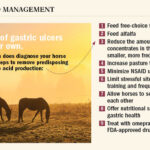 Feeding horses with gastric ulcers
- Why is it important for a horse to respond to light aids?
- How do you determine if a horse's behavior is due to past neglect?