It’s crucial to ensure your horse receives adequate nutrition, especially during winter. Assess your horse’s body condition, monitor hay and water intake, and consult with a vet about supplements if needed. Observing these factors will help you adjust their diet to maintain optimal health through the colder months.
How Can I Tell If My Horse’s Nutritional Needs Are Being Met in Winter?
During the winter, several indicators can help you determine if your horse is receiving enough nutrients. These include assessing body condition, monitoring forage intake, and observing overall health and energy levels. Adjusting their diet based on these observations will ensure they stay healthy through the winter months.
What are the Key Signs of Malnutrition in Horses During Winter?
- Weight Loss: A noticeable decrease in body weight is a primary sign. You can check this by feeling along their ribs and spine. If these bones are too prominent, your horse may not be getting enough calories.
- Lethargy: A lack of energy and reduced activity levels can indicate a nutritional deficiency. Horses need sufficient energy to maintain body temperature and function normally during winter.
- Poor Coat Condition: A dull, rough coat can be a sign of inadequate nutrient intake. A healthy coat requires sufficient protein, vitamins, and minerals.
- Reduced Water Intake: Dehydration can exacerbate nutritional deficiencies. Ensure your horse has access to unfrozen, clean water at all times.
How Can I Ensure My Horse Gets Enough Forage in Winter?
Forage, such as hay, should form the foundation of your horse’s winter diet. Horses should consume 1-2% of their body weight in forage daily. Good-quality grass-legume pastures or hays like alfalfa can supply adequate nutrients. Supplementing with grain may be necessary for horses performing medium to heavy work.
What Supplements Might My Horse Need During Winter?
Winter pasture forage is often low in protein and certain vitamins. Consider supplements like vitamin A, especially if your horse isn’t getting high-quality legume hays. Commercial feed mixes are also available, containing minerals, vitamins, and other nutrients designed to balance the diet when supplemented with hay.
How Does a Horse’s Age Affect Its Winter Nutritional Needs?
- Young Horses: Weanling foals require about 3 pounds of feed per 100 pounds of body weight daily.
- Mature Horses: As horses approach maturity, their feed requirement drops to about 1 pound per 100 pounds of body weight daily.
- Older Horses: Older horses with worn teeth may need crushed oats or special feed mixes that are easier to chew and digest.
What Types of Feed Should I Avoid Giving My Horse?
Moldy or dusty feeds should be avoided as horses are susceptible to forage poisoning and respiratory complications. Silages of all sorts should also be avoided since horses and mules are extremely susceptible to botulism and digestive upsets.
By monitoring your horse’s condition and making necessary adjustments to their diet, you can help them stay healthy and well-nourished throughout the winter. Would you like to learn more about specific winter feeding strategies for horses?
Related Posts
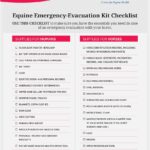 Emergency preparedness for natural disasters for your horse
- Is it safe to ride a nervous horse?
- How do I know if my horse is comfortable with its current bit?
- Can horses sense when a person is sad or happy?
- What are good exercises for teaching transitions in swimming?
- How can I ensure my horse gets enough fiber during summer?
- How can herd behavior be reduced or controlled?
- Why is slow training important for injury prevention?
- How do vitamins contribute to the overall reproductive well-being of horses?
- How can beginners incorporate precision training into their martial arts practice?