Ensuring your trailer’s safety equipment is in good condition is crucial for safe towing and compliance with legal standards. Regular inspections and maintenance help prevent accidents and ensure that your trailer is roadworthy.
How to Inspect Trailer Safety Equipment?
Regular inspection of your trailer’s safety equipment is essential. Start by checking the brake system, which is crucial for stopping the trailer safely. Ensure that the brakes are responsive and free of wear. Examine the lighting system, including brake lights, turn signals, and tail lights, to ensure they are functioning correctly.
Verify that the hitch and coupler are secure and free of rust or damage. The safety chains should be crossed under the coupler, attached securely, and free of wear. Finally, inspect the tires for proper inflation and tread depth.
What Are the Key Components of Trailer Safety Equipment?
Understanding the key components of trailer safety equipment is vital for comprehensive checks. Here are the main elements to focus on:
- Brake System: Includes electric or hydraulic brakes. Ensure they are well-maintained and adjusted.
- Lighting System: Consists of brake lights, turn signals, and tail lights. Check for functionality and visibility.
- Hitch and Coupler: The connection point between the trailer and towing vehicle. Inspect for wear and secure attachment.
- Safety Chains: Provide a backup connection. Must be crossed and securely attached.
- Tires: Check for proper inflation, tread depth, and any signs of damage.
How Often Should You Inspect Your Trailer’s Safety Equipment?
Regular inspections are crucial for maintaining trailer safety. Conduct a thorough check before each trip and a more detailed inspection monthly. This routine helps identify potential issues early and prevents costly repairs or accidents.
Practical Tips for Maintaining Trailer Safety Equipment
Proper maintenance extends the lifespan of your trailer’s safety equipment. Here are some practical tips:
- Lubricate moving parts: Regularly apply lubricant to the hitch, coupler, and brake components to prevent rust and ensure smooth operation.
- Clean electrical connections: Dirt and corrosion can affect the lighting system. Clean connections with a wire brush and apply dielectric grease.
- Check tire pressure: Under-inflated tires can lead to blowouts. Use a tire gauge to ensure correct pressure.
- Replace worn parts: Safety chains, brake pads, and tires should be replaced at the first sign of wear.
Common Issues and How to Address Them
Identifying and addressing common trailer issues can prevent accidents and ensure safety. Here are some frequent problems and solutions:
| Issue | Cause | Solution |
|---|---|---|
| Brake failure | Worn pads or fluid leaks | Replace pads, check fluid levels |
| Lighting malfunction | Faulty wiring or bulbs | Inspect and replace wiring or bulbs |
| Hitch instability | Loose bolts or rust | Tighten bolts, remove rust |
| Tire blowouts | Under-inflation or damage | Maintain pressure, inspect tires |
People Also Ask
How Do I Check My Trailer’s Brake System?
To check your trailer’s brake system, start by inspecting the brake pads for wear. Ensure that the brake fluid levels are adequate if your trailer uses hydraulic brakes. Test the brakes by towing the trailer at a low speed and applying the brakes to confirm they are responsive.
What Causes Trailer Lights to Fail?
Trailer lights often fail due to faulty wiring, corroded connections, or burnt-out bulbs. Regularly inspect the wiring for damage, clean the connectors to prevent corrosion, and replace any non-functioning bulbs to maintain visibility and safety.
How Can I Prevent Tire Blowouts on My Trailer?
Prevent tire blowouts by maintaining proper tire pressure, regularly inspecting tires for signs of wear or damage, and ensuring that the load is evenly distributed. Replace tires that show signs of significant wear or have low tread depth.
Why Are Safety Chains Important?
Safety chains are a critical backup connection between the trailer and towing vehicle. They help prevent the trailer from detaching entirely in case of a hitch failure. Always cross the chains under the coupler and ensure they are securely attached.
How Do I Maintain My Trailer’s Hitch?
Maintain your trailer’s hitch by regularly inspecting it for rust and wear. Lubricate moving parts to ensure smooth operation. Tighten any loose bolts and replace any parts that show signs of significant wear or damage.
Conclusion
Regular maintenance and inspection of your trailer’s safety equipment are essential for safe towing. By following the tips and guidelines outlined above, you can ensure that your trailer remains in good condition, reducing the risk of accidents and ensuring a smooth towing experience. For more information on vehicle safety, consider exploring topics like "How to Choose the Right Towing Vehicle" or "Best Practices for Safe Towing."
Related Posts
- Are there specific breeds that are more prone to spookiness?
- How do I maintain my horse's hooves between farrier visits?
- How can technology aid in controlling invasive species in pastures?
- How do parasitic infections affect a horse's coat condition?
- How can I monitor my active horse's condition to adjust feeding schedules appropriately?
- Can a calming bit be used on a young horse?
- What is the significance of scent in horse training and handling?
- What is the difference between static and dynamic bending exercises?
- How do I apply a bandage to a horse's leg?
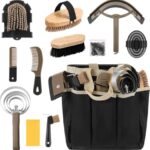 Tools every horse owner needs in their grooming kit