The maintenance and care of horses were critical to the cavalry’s readiness throughout history. Proper horse care ensured that cavalry units could move swiftly, engage effectively in battle, and maintain operational capabilities over long campaigns. This article explores how these practices impacted cavalry effectiveness, drawing on historical examples and practical insights.
Why Was Horse Care Crucial for Cavalry Readiness?
The maintenance and care of horses directly influenced the combat readiness of cavalry units. Healthy, well-cared-for horses provided the mobility and endurance necessary for military operations. Conversely, neglected horses could lead to decreased performance and even mission failure.
Key Aspects of Horse Maintenance in Cavalry Units
What Did Daily Horse Care Involve?
Daily horse care was a comprehensive process that included feeding, grooming, and monitoring health. Essential practices involved:
- Feeding: Horses required a balanced diet of grains and forage to maintain energy levels.
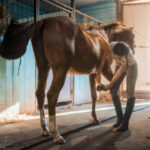
- Grooming: Regular grooming prevented skin diseases and kept the horses comfortable.
- Hoof Care: Frequent hoof inspections and shoeing were vital to prevent lameness.
- Health Monitoring: Observing for signs of illness or injury ensured prompt treatment.
How Did Feeding Practices Affect Cavalry Performance?
Proper nutrition was paramount for maintaining the stamina and strength of cavalry horses. A typical diet included:
- Grains like oats and barley: Provided essential carbohydrates for energy.
- Hay and pasture: Offered necessary fiber and nutrients.
- Water: Adequate hydration was crucial, especially during long marches.
What Role Did Training Play in Horse Readiness?
Training ensured horses were accustomed to the sounds and chaos of battle. Key training components included:
- Desensitization: Acclimating horses to loud noises and sudden movements.
- Endurance Building: Regular exercises to improve stamina.
- Maneuverability Drills: Practicing formations and quick directional changes.
Historical Examples of Cavalry Horse Care
How Did Different Cultures Approach Horse Care?
Various historical cultures developed unique methods for horse care, influencing their cavalry effectiveness:
- Mongol Cavalry: Renowned for their endurance, Mongols rotated horses during campaigns to prevent fatigue.
- Medieval European Knights: Invested in heavy armor and specialized care to ensure their horses could withstand battle conditions.
- Napoleonic Cavalry: Emphasized strategic feeding and rest periods to maintain horse health during extended campaigns.
What Were the Consequences of Poor Horse Care?
Neglecting horse maintenance could have dire consequences:
- Battle of Waterloo (1815): Poor weather and inadequate horse care contributed to the defeat of Napoleon’s cavalry.
- Russian Campaign (1812): Harsh conditions and lack of resources led to significant horse losses, hindering Napoleon’s retreat.
Practical Insights for Modern Horse Care
How Can Historical Practices Inform Modern Equine Care?
While modern cavalry is largely mechanized, lessons from historical horse care remain relevant for equestrians today:
- Balanced Diets: Emphasizing nutrition tailored to the horse’s workload.
- Regular Health Checks: Preventive care to catch issues early.
- Consistent Training: Building trust and responsiveness between horse and rider.
What Technologies Aid Modern Horse Care?
Innovations have enhanced horse maintenance:
- Equine Health Trackers: Monitor vital signs and activity levels.
- Advanced Veterinary Care: Provides diagnostics and treatments unavailable in the past.
- Specialized Equipment: Improves comfort and performance for both horse and rider.
People Also Ask
How Did Cavalry Units Manage Horse Numbers?
Cavalry units maintained large reserves of horses to replace injured or fatigued animals. This strategy ensured continuous operational capability.
What Were the Common Diseases Affecting Cavalry Horses?
Cavalry horses faced ailments like colic, lameness, and respiratory infections. Preventive care and prompt treatment were essential to mitigate these issues.
How Did Weather Conditions Impact Horse Care?
Extreme weather required adjustments in feeding, shelter, and workload to protect horses from heat stress or cold-related illnesses.
Why Was Grooming Important for Cavalry Horses?
Grooming prevented skin infections, promoted circulation, and strengthened the bond between horse and rider, enhancing overall performance.
What Strategies Did Cavalry Use to Maintain Horse Morale?
Cavalry units often rotated horses and provided rest periods to prevent fatigue and maintain high morale among the animals.
Conclusion
The maintenance and care of horses were pivotal to the success of cavalry units throughout history. By ensuring that horses were well-fed, healthy, and properly trained, military forces could maximize their effectiveness and operational readiness. Modern equestrians can draw valuable lessons from these historical practices to enhance the care and management of their horses today. For further insights into equine management, explore related topics such as horse nutrition and equine health technology.
Related Posts
- How often should I give my horse joint supplements?
 The horse and child bond: a special connection
- Can resisting herd behavior lead to conflict?
- What are the indicators of reduced exercise tolerance in horses?
- How does fear influence a horse's jumping ability?
- What are the technological challenges in breeding rare horse breeds?
- Can digestive supplements help horses gain weight?
 Eventing nutrition: fueling the three-day horse
 Horse grooming & hygiene
- Can snorting indicate a horse is feeling stressed?