Preventing horse feed from spoiling is essential to maintain your horse’s health and ensure they receive the necessary nutrition. By storing feed properly and using it efficiently, you can avoid spoilage and waste.
What Causes Horse Feed to Spoil?
Horse feed can spoil due to moisture, heat, and pests. Moisture can lead to mold growth, while heat accelerates the breakdown of nutrients. Pests, such as rodents and insects, can contaminate feed, making it unsafe for consumption.
How to Store Horse Feed Properly?
Proper storage is key to preventing spoilage. Here are some tips:
- Choose a Cool, Dry Place: Store feed in a location that is cool and dry to prevent mold and nutrient degradation.
- Use Airtight Containers: Keep feed in airtight containers to protect it from moisture and pests.
- Elevate Feed Off the Ground: Use pallets or shelves to keep feed bags off the ground, reducing the risk of moisture absorption and pest access.
- Rotate Stock Regularly: Implement a first-in, first-out system to ensure older feed is used before newer supplies.
What Are the Best Containers for Storing Horse Feed?
Selecting the right container can significantly impact feed preservation. Consider the following options:
| Feature | Metal Bins | Plastic Bins | Feed Sacks |
|---|---|---|---|
| Durability | High | Moderate | Low |
| Pest Protection | Excellent | Good | Poor |
| Cost | Moderate | Low | Very Low |
How Can You Monitor Feed Quality?
Regularly checking feed quality helps you catch spoilage early. Look for:
- Visual Signs: Mold, discoloration, or clumping indicate spoilage.
- Odor Changes: A musty or sour smell suggests feed deterioration.
- Texture Changes: Feed that feels damp or sticky may be compromised.
What Are the Benefits of Using Feed Additives?
Feed additives can extend the shelf life of horse feed. These include:
- Preservatives: Help inhibit mold growth and spoilage.
- Antioxidants: Protect feed from nutrient degradation due to oxidation.
- Desiccants: Absorb moisture to keep feed dry.
People Also Ask
How Often Should You Check Horse Feed?
Check horse feed at least once a week for signs of spoilage. Regular inspections ensure that any issues are addressed promptly, keeping feed safe and nutritious.
Can Spoiled Feed Harm Horses?
Yes, spoiled feed can harm horses, leading to health issues such as colic, diarrhea, or even poisoning. Moldy or contaminated feed is particularly dangerous and should be discarded immediately.
What Are Common Pests That Affect Horse Feed?
Common pests include rodents like mice and rats, as well as insects such as beetles and moths. These pests can contaminate feed and spread disease.
How Can You Keep Pests Away from Feed?
To keep pests away, store feed in airtight containers, use traps or deterrents around storage areas, and maintain cleanliness to reduce attractants.
What Is the Shelf Life of Horse Feed?
The shelf life of horse feed varies depending on the type. Generally, pelleted and textured feeds last 3-6 months, while grains can last up to a year if stored correctly.
Conclusion
Preventing horse feed from spoiling is crucial for your horse’s health and well-being. By storing feed in a cool, dry place, using airtight containers, and regularly checking for spoilage, you can ensure that your horse receives safe and nutritious feed. Consider using feed additives to extend shelf life and implement pest control measures to protect your feed supply. For more on horse care, explore our articles on equine nutrition and stable management.
Related Posts
- What role does consistency play in positive reinforcement training?
- What is the best way to treat a horse's hoof injury?
- What is the significance of the handicap system in polo?
- How can I use thermal mass to maintain barn temperature?
- Can I store different types of horse feed together?
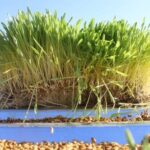 Hydroponic fodder systems for horses
- What role does a horse's social hierarchy play in biting behavior?
- Can a lack of fiber cause a horse to rush?
- What is the role of rider position during a horse's warm-up?
- What is the correct way to hold the reins when mounting a horse?