How can turnout time be adjusted for horses with special health needs? Adjusting turnout time for horses with special health needs involves a careful balance of providing adequate exercise while ensuring their safety and well-being. Consider factors such as the horse’s specific health conditions, weather conditions, and pasture quality to tailor their turnout schedule effectively.
Understanding Special Health Needs in Horses
Horses with special health needs require extra attention to ensure their well-being during turnout. Common health concerns that may necessitate adjustments include:
- Arthritis: Horses with arthritis benefit from regular movement to keep their joints flexible. However, excessive time on hard ground can exacerbate their condition.
- Laminitis: Affected horses need limited grass intake, especially in lush pastures, to prevent flare-ups.
- Respiratory Issues: Horses with respiratory problems may require turnout in dust-free environments to avoid exacerbating their conditions.
How to Adjust Turnout Time for Horses with Arthritis?
For horses with arthritis, turnout time should be adjusted to promote movement without causing discomfort. Here are some tips:
- Shorter, Frequent Sessions: Instead of one long turnout, consider multiple shorter sessions throughout the day to keep joints moving without overstraining them.
- Soft Ground: Ensure the turnout area has soft, even footing to prevent stress on the joints.
- Warm-Up Periods: Allow time for a gentle warm-up before turnout to ease stiffness.
Managing Turnout for Horses with Laminitis
Horses prone to laminitis need careful management to prevent grass-induced flare-ups. Consider these strategies:
- Limited Grass Access: Use a grazing muzzle or restrict access to pasture during high-risk times, such as early morning or late afternoon when grass sugars are highest.
- Dry Lots: Offer turnout in a dry lot with controlled hay intake to manage weight and reduce the risk of laminitis.
- Monitor Weather Conditions: Be aware of weather changes that can affect grass growth and sugar levels.
Addressing Respiratory Concerns During Turnout
For horses with respiratory issues, ensuring a dust-free environment is crucial. Here’s how:
- Dust-Free Turnout Areas: Choose turnout areas away from dusty roads or fields.
- Avoid Pollen Peaks: Monitor pollen counts and avoid turnout during high pollen periods if the horse is sensitive.
- Shelter Availability: Ensure access to shelter to avoid exposure to extreme weather conditions that can exacerbate respiratory issues.
Practical Examples of Adjusting Turnout Time
Consider the following examples to illustrate how turnout time can be adjusted:
- Case Study 1: A horse with arthritis benefits from four 30-minute turnout sessions on a soft pasture, allowing gentle movement without overstraining joints.
- Case Study 2: A laminitic horse is turned out in a dry lot with controlled hay access, minimizing grass intake while providing necessary exercise.
- Case Study 3: A horse with respiratory issues is turned out in an area with minimal dust and sheltered from high pollen times, ensuring comfortable breathing conditions.
People Also Ask
How often should a horse with arthritis be turned out?
Horses with arthritis should ideally be turned out multiple times a day for shorter periods. This helps maintain joint flexibility without causing excessive strain. Adjust the frequency based on the horse’s comfort level and environmental conditions.
Can horses with laminitis be turned out on grass?
Horses with laminitis can be turned out on grass, but it requires careful management. Use grazing muzzles or restrict access to limit grass intake, especially during high-sugar periods. Dry lots provide a safer alternative for extended turnout.
What are the benefits of turnout for horses with respiratory issues?
Turnout offers several benefits for horses with respiratory issues, including improved air quality, reduced exposure to stable dust, and mental stimulation. Ensure the turnout area is free from dust and allergens to maximize these benefits.
How can I tell if my horse needs adjusted turnout time?
Signs that a horse may need adjusted turnout time include reluctance to move, visible discomfort, or worsening of health symptoms. Consult a veterinarian to tailor a turnout schedule that meets your horse’s specific needs.
What are some alternative turnout options for horses with special needs?
Alternative turnout options include dry lots, controlled exercise paddocks, and indoor arenas. These environments provide safe, controlled conditions for horses with special health needs, allowing for tailored management.
Conclusion
Adjusting turnout time for horses with special health needs is a nuanced process that requires attention to individual health conditions and environmental factors. By implementing tailored strategies, you can ensure your horse enjoys the benefits of turnout while minimizing health risks. For more information on horse care, consider exploring topics such as "Managing Equine Arthritis" or "Understanding Laminitis in Horses."
Related Posts
- What are the best warm-up exercises for circle riding?
- How can consistency in handling improve a horse's catchability?
- Can ear positions predict a horse's next move?
- What is the chronic stage of laminitis in horses?
- What is the role of diet in a horse's exercise regimen?
- How can technology aid in pasture management for worm control in horses?
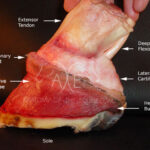 Understanding horse hoof anatomy
- Can boredom affect a horse's performance?
- What symptoms indicate a horse is uncomfortable with its tack?
- What are some effective breathing techniques for calming horses?