How Seasonal Changes in Diet Can Help Reduce Boredom in Stabled Horses
Seasonal changes in a horse’s diet can significantly reduce boredom, especially for stabled horses. By varying their feed based on the season, you can provide mental stimulation and enhance their overall well-being. Incorporating diverse foods and forage options helps keep horses engaged and satisfied, reducing the risk of behavioral issues.
Why Is Boredom a Concern for Stabled Horses?
Stabled horses often face limited movement and social interaction, leading to boredom. This can result in undesirable behaviors such as cribbing, weaving, or wood chewing. Boredom not only affects their mental health but can also impact their physical well-being. By addressing dietary needs with seasonal variations, you can offer a simple yet effective solution.
What Are the Benefits of Seasonal Diet Changes?
- Mental Stimulation: Changing the diet keeps horses mentally engaged.
- Nutritional Variety: Different foods provide a range of nutrients.
- Behavioral Improvement: Reduces the likelihood of developing vices.
- Enhanced Palatability: Seasonal foods can be more appealing.
How to Implement Seasonal Diet Changes
Spring Diet Adjustments
In spring, fresh grass becomes more abundant. Gradually introduce your horse to pasture grazing to prevent digestive issues. Fresh grass is high in moisture and nutrients, providing a natural change from winter hay.
- Introduce Slowly: Start with short grazing periods.
- Monitor Intake: Watch for signs of overconsumption, such as weight gain or laminitis.
- Supplement with Hay: Maintain a balance with high-fiber hay.
Summer Feeding Strategies
During summer, horses may have reduced appetites due to heat. It’s crucial to ensure they stay hydrated and maintain energy levels.
- Increase Water Access: Ensure constant availability of clean water.
- Provide Electrolytes: Supplement with electrolytes to replace lost minerals.
- Offer Cool Treats: Frozen fruits or vegetables can be refreshing.
Fall Forage Options
Fall brings a variety of forages, such as fallen leaves and late-season grasses. This season is ideal for introducing new textures and flavors.
- Leafy Greens: Offer safe, non-toxic leaves for variety.
- Late-Season Grasses: Utilize nutrient-rich, mature grasses.
- Monitor Weight: Adjust feed to prevent weight gain as activity levels drop.
Winter Feeding Considerations
Winter requires more energy to maintain body temperature, thus increasing the need for caloric intake.
- Increase Hay: Provide more high-fiber hay to support digestion and warmth.
- Warm Mash: Offer warm bran mash or soaked beet pulp for comfort.
- Vitamin D: Consider supplements due to reduced sunlight exposure.
Practical Examples of Seasonal Diet Changes
- Spring: Introduce clover and dandelion greens.
- Summer: Offer watermelon rinds and apple slices as cool treats.
- Fall: Add pumpkin or squash to their diet.
- Winter: Use alfalfa hay for additional energy.
Tables: Seasonal Diet Features
| Season | Key Forage | Supplement | Treats |
|---|---|---|---|
| Spring | Fresh grass | Hay | Clover, dandelion |
| Summer | Pasture | Electrolytes | Watermelon, apples |
| Fall | Late grass | Hay | Pumpkin, squash |
| Winter | Alfalfa hay | Vitamin D | Warm mash |
People Also Ask
How Can I Tell if My Horse Is Bored?
Signs of boredom include repetitive behaviors like cribbing, weaving, or pacing. They may also show a lack of interest in their surroundings or become more irritable.
What Are Safe Treats for Horses?
Safe treats include apples, carrots, and watermelon. Always introduce new foods gradually and in moderation to prevent digestive upset.
Can Diet Alone Prevent Boredom in Horses?
While diet plays a significant role, it should be combined with other enrichment activities such as regular exercise, toys, and social interaction to effectively prevent boredom.
How Often Should I Change My Horse’s Diet?
Diet changes should align with seasonal shifts, roughly every three months. Always transition slowly to allow the horse’s digestive system to adjust.
What Are Common Mistakes in Feeding Stabled Horses?
Common mistakes include overfeeding, not providing enough forage, and failing to adjust the diet based on activity level and seasonal needs.
Conclusion
Incorporating seasonal changes in diet for stabled horses is a proactive way to reduce boredom and enhance their overall health. By understanding the nutritional benefits and behavioral impacts, you can create a more engaging and satisfying environment for your horse. For further guidance, consider consulting with an equine nutritionist or veterinarian.
For more information on horse care, explore our articles on equine behavior and nutritional supplements.
Related Posts
- How does road quality affect the likelihood of trailer load shifting?
- What are the common allergens found in horse stables?
- How do I know if I'm using positive reinforcement correctly?
- How does posture affect breathing while riding?
- What are the benefits of riding circles of different sizes?
- How can I protect myself from being bitten by a horse?
- Can you train a horse not to bite?
- What is the impact of proper tack fit on a horse's jumping ability?
- How does pasture turnout impact a horse's respiratory health?
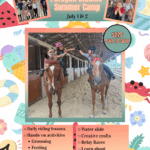 Summer horse camps: adventure and learning