Riders can minimize penalties in cross-country eventing by focusing on a few key strategies: maintaining consistent pace, understanding course design, and ensuring horse fitness. By prioritizing these aspects, riders can improve their performance and reduce the likelihood of incurring penalties during the event.
What is Cross-Country Eventing?
Cross-country eventing is a thrilling equestrian sport that tests the stamina, speed, and skill of both horse and rider. It is one of the three phases in eventing, alongside dressage and show jumping. In cross-country, riders navigate a course with a variety of obstacles, such as water jumps, ditches, and banks, designed to simulate natural terrain challenges. The goal is to complete the course as close to the optimum time as possible while avoiding faults.
How to Maintain a Consistent Pace?
Maintaining a consistent pace is crucial in minimizing penalties. Riders should aim to keep a steady speed throughout the course to avoid time penalties. Here are some tips to help achieve this:
- Know the Optimum Time: Familiarize yourself with the course’s optimum time and plan your pace accordingly.
- Use a Watch: Equip yourself with a reliable watch to monitor your time during the ride.
- Practice Speed Control: Regularly train at different speeds to improve your control and adaptability.
Why is Course Design Understanding Important?
Understanding the course design helps riders anticipate challenges and plan their approach. This knowledge can significantly reduce penalties:
- Walk the Course: Before the event, walk the course to identify tricky sections and plan your strategy.
- Study the Map: Analyze the course map to understand the layout and sequence of obstacles.
- Seek Advice: Consult experienced riders or coaches to gain insights into the course’s challenges.
How Does Horse Fitness Affect Performance?
A fit horse is less likely to tire during the course, reducing the risk of faults. Here’s how to ensure your horse is in optimal condition:
- Regular Conditioning: Implement a consistent training regimen focusing on endurance, strength, and flexibility.
- Balanced Diet: Provide a nutritious diet tailored to your horse’s needs to support energy levels and recovery.
- Routine Health Checks: Schedule regular veterinary check-ups to monitor your horse’s health and fitness.
Practical Examples of Successful Strategies
Consider the case of top eventer Mary King, who attributes her success to meticulous preparation and understanding of her horse’s capabilities. By focusing on fitness and course strategy, she consistently minimizes penalties and achieves competitive times.
People Also Ask
What is the penalty for exceeding the optimum time in cross-country eventing?
Exceeding the optimum time in cross-country eventing results in time penalties. Typically, riders incur 0.4 penalties for each second over the optimum time. Staying within the time limit is crucial to avoid these additional points.
How can riders improve their horse’s fitness for cross-country?
Riders can improve their horse’s fitness by incorporating a variety of exercises into their training regimen. This includes long-distance rides for endurance, interval training for speed, and hill work for strength. Consistency is key to building a well-rounded fitness level.
What are common obstacles in cross-country courses?
Common obstacles in cross-country courses include water jumps, ditches, banks, and logs. Each obstacle is designed to test the horse and rider’s ability to navigate different types of terrain and challenges.
How do riders calculate the optimum time for a course?
The optimum time for a course is calculated based on the course’s length and the designated speed for the level of competition. Riders need to divide the course distance by the speed to determine the time they should aim for.
What role does dressage play in eventing?
Dressage is the first phase of eventing and focuses on the horse’s obedience, flexibility, and harmony with the rider. It sets the tone for the competition, with scores impacting the overall standings before heading into cross-country and show jumping phases.
Conclusion
By focusing on consistent pace, understanding course design, and ensuring horse fitness, riders can effectively minimize penalties in cross-country eventing. These strategies not only enhance performance but also contribute to the overall safety and enjoyment of the sport. For further insights, consider exploring topics such as "Improving Horse Fitness for Eventing" and "Mastering Course Strategy in Equestrian Sports."
Related Posts
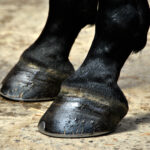 How to pick out your horse's hooves
- What role does companionship play in preventing separation anxiety in horses?
- Is it possible for a horse to develop separation anxiety later in life?
- How do horses' emotional responses to humans compare to those of rabbits?
- How important is the rider's posture in show jumping?
- How do horses use their hooves to communicate submission?
- What were the legal regulations regarding horse ownership in ancient societies?
- Do foals exhibit tail swishing in the same way as adult horses?
- What are the benefits of feeding flaxseed to Arabian horses?
 Common fears beginners face in riding