Planting trees and shrubs is an effective strategy for reducing pasture erosion by stabilizing soil, enhancing water retention, and providing windbreaks. This approach not only protects the land but also supports biodiversity and improves the overall health of the ecosystem.
How Do Trees and Shrubs Reduce Pasture Erosion?
Planting trees and shrubs in pastures offers multiple benefits that contribute to erosion control. Here’s how they work:
- Root Stabilization: The extensive root systems of trees and shrubs help bind the soil, reducing the risk of erosion by water and wind.
- Water Retention: Vegetation improves soil structure, increasing its ability to absorb and retain water, which reduces runoff.
- Windbreaks: Trees and shrubs act as natural barriers, slowing down wind speed and minimizing soil displacement.
- Biodiversity Support: These plants provide habitats for various species, enhancing the ecological balance and resilience of the pasture.
What Are the Best Trees and Shrubs for Erosion Control?
Selecting the right species is crucial for effective erosion control. Consider these options:
- Willows: Known for their fast-growing roots, ideal for riverbanks and areas prone to water erosion.
- Alders: Improve soil fertility through nitrogen fixation, supporting other plants’ growth.
- Dogwoods: Their dense root systems are excellent for stabilizing slopes and preventing washouts.
- Hawthorns: Hardy shrubs that thrive in various soil types, providing excellent ground cover.
How to Plant Trees and Shrubs to Maximize Erosion Control?
To maximize the benefits of planting trees and shrubs, follow these steps:
- Site Assessment: Evaluate the pasture’s soil type, slope, and erosion patterns to determine the best planting locations.
- Species Selection: Choose species that are well-suited to the local climate and soil conditions.
- Planting Technique: Use staggered rows or clusters to create a natural barrier, allowing for adequate spacing to prevent competition for resources.
- Maintenance: Regularly check for pests, diseases, and ensure adequate water supply, especially during the establishment phase.
What Are the Long-Term Benefits of Planting Trees and Shrubs?
Beyond erosion control, planting trees and shrubs offers several long-term advantages:
- Improved Soil Health: Organic matter from leaf litter enhances nutrient content and soil structure.
- Carbon Sequestration: Trees absorb carbon dioxide, helping mitigate climate change.
- Enhanced Aesthetics: A diverse landscape with trees and shrubs improves the visual appeal and property value.
- Wildlife Habitat: Provides food and shelter for birds, insects, and other wildlife, promoting biodiversity.
People Also Ask
How Quickly Can Trees and Shrubs Reduce Erosion?
The impact of trees and shrubs on erosion can vary, but visible improvements can often be seen within a few growing seasons. Fast-growing species, such as willows and poplars, can stabilize soil relatively quickly.
Can Planting Trees Alone Stop Erosion?
While trees are effective, combining them with shrubs, grasses, and other groundcovers provides a more comprehensive erosion control strategy. This combination ensures soil stability across different layers and conditions.
What Are the Costs Involved in Planting Trees and Shrubs?
Costs vary based on species, size, and planting density. Initial expenses include purchasing plants and preparing the site, but the long-term benefits often outweigh these costs. Government grants or subsidies may be available to offset expenses.
How Do Trees and Shrubs Affect Water Quality?
By reducing runoff and filtering pollutants, trees and shrubs improve water quality in nearby streams and rivers. Their roots trap sediments and absorb excess nutrients, preventing them from entering waterways.
Are There Any Downsides to Planting Trees and Shrubs for Erosion Control?
While generally beneficial, improper species selection or planting can lead to issues such as competition with crops or invasive species. It’s essential to consult with local environmental experts to ensure the right choices are made.
Conclusion
Planting trees and shrubs is a sustainable and effective solution for reducing pasture erosion. By stabilizing soil, enhancing water retention, and supporting biodiversity, these plants play a crucial role in maintaining healthy ecosystems. For those interested in implementing this strategy, consulting with local agricultural or environmental professionals can provide valuable guidance and support.
For further reading on sustainable agriculture practices, consider exploring topics such as cover cropping and rotational grazing. These practices, combined with tree and shrub planting, can significantly enhance land management efforts.
Related Posts
- How do you train a horse to respond to light aids?
- How can transitions help in preparing a horse for competitions?
- How can instructors help riders develop body awareness for better posture?
- How does separation from the herd impact a horse's spookiness?
- How does winter exercise affect a horse's grain needs?
- How can I ensure my horse's jumping experience is positive?
- How does feedback influence transition success?
- How do you tell the age of a horse by its teeth?
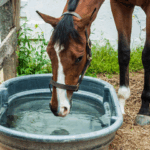 Hydration monitoring: ensuring adequate water intake for your horse
- How do weather changes affect feeding schedules for senior horses?