Laminitis is a serious condition that significantly impacts a horse’s overall health. It affects the hooves, causing pain and potentially leading to long-term mobility issues. Understanding how laminitis affects a horse can help owners manage and prevent this debilitating condition.
What is Laminitis and How Does it Affect Horses?
Laminitis is an inflammation of the laminae, the sensitive layers of tissue inside the hoof that connect the hoof wall to the coffin bone. This inflammation can lead to severe pain, structural damage, and even permanent lameness. Horses suffering from laminitis may exhibit symptoms such as reluctance to move, an abnormal gait, and visible discomfort when standing.
Symptoms of Laminitis in Horses
Recognizing the symptoms of laminitis early can make a significant difference in a horse’s recovery. Common signs include:
- Reluctance to walk or move
- Shifting weight from one hoof to another
- Heat in the hooves
- Increased digital pulse
- Standing with hind legs further under the body
Causes and Risk Factors of Laminitis
Understanding the causes of laminitis can help in its prevention. Several factors contribute to the development of this condition:
- Dietary Factors: Overconsumption of grains or lush pasture can lead to laminitis.
- Obesity: Overweight horses are at a higher risk.
- Metabolic Disorders: Conditions like Cushing’s disease can predispose horses to laminitis.
- Physical Trauma: Excessive work on hard surfaces can cause laminitis.
- Infections and Illnesses: Severe infections can trigger laminitis.
How Does Laminitis Impact a Horse’s Health?
Laminitis affects a horse’s overall condition by compromising their ability to move comfortably. This can lead to:
- Chronic Pain: Persistent discomfort affects a horse’s quality of life.
- Reduced Mobility: Difficulty in movement can limit exercise and lead to muscle atrophy.
- Weight Loss: Pain and reduced mobility may decrease appetite.
- Behavioral Changes: Horses may become irritable or depressed due to chronic pain.
Treatment and Management of Laminitis
Effective management of laminitis involves a combination of veterinary care, dietary adjustments, and supportive therapies. Key strategies include:
- Veterinary Intervention: Prompt veterinary care is crucial for diagnosis and treatment.
- Dietary Management: Reducing grain intake and managing pasture access can help.
- Hoof Care: Regular trimming and corrective shoeing can alleviate pressure on the hooves.
- Pain Management: Anti-inflammatory medications may be prescribed.
- Rest and Rehabilitation: Providing a comfortable resting environment is essential.
Preventing Laminitis in Horses
Prevention is always better than cure. Here are some steps to reduce the risk of laminitis:
- Monitor Diet: Avoid overfeeding grains and manage pasture time.
- Maintain Healthy Weight: Regular exercise and a balanced diet are vital.
- Regular Veterinary Check-ups: Early detection of metabolic disorders can prevent laminitis.
- Hoof Care: Routine hoof maintenance helps prevent structural issues.
People Also Ask
What are the early signs of laminitis in horses?
Early signs of laminitis include reluctance to move, heat in the hooves, and a strong digital pulse. Horses may also stand with their hind legs positioned further under their body to alleviate pressure on the front hooves.
Can laminitis be cured?
While laminitis cannot be completely cured, it can be managed effectively with prompt veterinary care, dietary changes, and regular hoof maintenance. Early intervention is key to improving outcomes.
How long does it take for a horse to recover from laminitis?
Recovery time varies depending on the severity of the condition. Mild cases may improve in a few weeks, while severe cases can take several months. Continuous management is often necessary to prevent recurrence.
What is the best diet for a horse with laminitis?
A horse with laminitis should have a diet low in non-structural carbohydrates. Hay should be the primary component, and grains should be limited. Consult a veterinarian for a tailored feeding plan.
How can I tell if my horse is at risk for laminitis?
Horses that are overweight, have a history of metabolic disorders, or consume high-carbohydrate diets are at higher risk. Regular veterinary check-ups and monitoring of diet and weight can help assess risk.
Conclusion
Laminitis is a serious condition that can have a profound impact on a horse’s overall health and well-being. By understanding the causes, symptoms, and treatment options, horse owners can take proactive steps to prevent and manage this condition. Regular veterinary care, proper diet, and attentive hoof maintenance are essential components of a comprehensive laminitis prevention strategy.
For further reading on equine health, consider exploring topics like equine nutrition and hoof care. These areas provide valuable insights into maintaining a healthy and happy horse.
Related Posts
- How do you calm a nervous horse before transport?
- How can trust issues affect the foundation of a relationship?
- How does floating help with horse dental issues?
- How did dressage become an Olympic sport?
- How does improved stamina affect riding sessions?
- Should I consult a veterinarian before giving my horse supplements?
- What are the signs of a balanced rider in dressage?
- What factors influence a horse's spookiness as it ages?
- How do you gain the respect of a dominant horse?
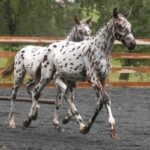 Knabstrupper horses: denmark's spotted beauties