Preventing respiratory issues in horses during winter pastures involves maintaining clean environments, providing proper nutrition, and ensuring adequate ventilation. By implementing these strategies, you can help your horse stay healthy and avoid common respiratory problems.
Why Do Horses Develop Respiratory Issues in Winter?
Horses are prone to respiratory issues in the winter due to increased time spent indoors and exposure to dust, molds, and ammonia. Cold air can also irritate their respiratory tracts. Understanding these factors is crucial to preventing problems.
How to Maintain Clean and Dust-Free Environments?
Keeping stables and pastures clean is essential for preventing respiratory issues. Here are some tips:
- Regular Cleaning: Remove manure and wet bedding daily to minimize ammonia and dust.
- Use Dust-Free Bedding: Opt for dust-free shavings or straw to reduce airborne particles.
- Proper Hay Storage: Store hay in a dry, well-ventilated area to prevent mold growth.
- Wet Down Hay: Dampening hay before feeding can reduce dust inhalation.
What Are the Best Ventilation Practices for Horse Stables?
Adequate ventilation is crucial for maintaining air quality in horse stables. Consider these practices:
- Open Windows and Doors: Allow fresh air to circulate by keeping windows and doors open when possible.
- Use Fans: Install fans to improve air movement and reduce stagnant air.
- Avoid Overcrowding: Ensure horses have enough space to reduce the buildup of dust and ammonia.
How Does Proper Nutrition Help Prevent Respiratory Issues?
Nutrition plays a significant role in supporting a horse’s immune system and respiratory health. Here’s how you can optimize their diet:
- Balanced Diet: Provide a balanced diet rich in vitamins and minerals to support overall health.
- Omega-3 Fatty Acids: Include sources of omega-3 fatty acids, like flaxseed, to reduce inflammation.
- Adequate Hydration: Ensure horses have access to clean, unfrozen water to keep their respiratory tracts moist.
How to Manage Exercise and Turnout in Winter?
Exercise and turnout are vital for maintaining respiratory health. Follow these guidelines:
- Regular Turnout: Allow horses ample time outside to breathe fresh air and exercise.
- Gradual Warm-Up: Warm up horses slowly to prevent cold air from shocking their respiratory systems.
- Monitor Weather Conditions: Avoid exercising horses in extreme cold or windy conditions.
What Are the Signs of Respiratory Issues in Horses?
Recognizing early signs of respiratory problems can prevent more severe issues. Look for:
- Coughing: Persistent coughing, especially during or after exercise.
- Nasal Discharge: Clear or colored discharge from the nostrils.
- Labored Breathing: Difficulty breathing or increased respiratory rate.
- Lethargy: Reduced energy levels or reluctance to exercise.
People Also Ask
What Are the Common Respiratory Diseases in Horses?
Common respiratory diseases include heaves (equine asthma), pneumonia, and viral infections like equine influenza. These conditions can cause coughing, nasal discharge, and difficulty breathing.
How Can I Improve Air Quality in Horse Stables?
Improving air quality involves maintaining cleanliness, ensuring proper ventilation, and using air purifiers if necessary. Regularly cleaning stalls and using dust-free bedding can also help.
Can Supplements Help Prevent Respiratory Issues in Horses?
Yes, supplements like omega-3 fatty acids and antioxidants can support respiratory health. Always consult a veterinarian before adding supplements to your horse’s diet.
How Often Should Horses Be Checked for Respiratory Issues?
Regular veterinary check-ups, at least once or twice a year, can help detect respiratory issues early. Monitor your horse’s breathing and behavior for any changes.
What Role Does Stress Play in Horse Respiratory Health?
Stress can weaken a horse’s immune system, making them more susceptible to respiratory issues. Minimize stress by maintaining a consistent routine and providing a comfortable environment.
Summary
Preventing respiratory issues in horses during winter pastures involves maintaining clean, well-ventilated environments, providing proper nutrition, and ensuring regular exercise. By understanding the causes and symptoms of respiratory problems, horse owners can take proactive measures to keep their horses healthy. For more information on horse care, consider reading our guides on equine nutrition and stable management.
Related Posts
- Can age-related dental issues affect a horse's weight?
- Can baking soda be used to remove mold from leather tack?
- What is the impact of poor hoof care on a horse's overall health?
- How long should I wait before riding again after a fall?
- Is it better to use a cooler or a regular blanket on a wet horse?
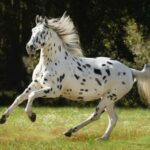 The knabstrupper: the dalmation horse
- Are certain horse breeds more prone to pawing?
- What are the signs of a submissive horse?
- Do electrolyte supplements benefit horses in hot weather?
- How long does it typically take to correct a rushing horse?