Lameness in horses during winter can be a significant concern for horse owners, but with proper care and preventive measures, you can keep your horse healthy and active. By focusing on proper hoof care, nutrition, and environmental management, you can reduce the risk of lameness and ensure your horse remains comfortable throughout the colder months.
What Causes Lameness in Horses During Winter?
Lameness in horses during winter can be attributed to several factors, including:
- Slippery surfaces: Ice and snow can cause horses to slip, leading to injuries.
- Cold and wet conditions: Prolonged exposure to moisture can weaken hooves and lead to infections.
- Inadequate hoof care: Neglecting regular trimming and shoeing can exacerbate hoof problems.
- Nutritional deficiencies: Lack of proper nutrients can weaken the horse’s musculoskeletal system.
Understanding these causes is crucial for implementing effective preventive measures.
How to Prevent Lameness in Horses During Winter
1. Maintain Proper Hoof Care
Regular hoof care is essential in preventing lameness. Follow these steps to ensure your horse’s hooves remain healthy:
- Schedule regular farrier visits: Keep a consistent schedule for trimming and shoeing to maintain hoof health.
- Clean hooves daily: Remove debris and check for signs of thrush or other infections.
- Apply hoof conditioners: Use products designed to maintain moisture balance and prevent cracking.
2. Provide Adequate Nutrition
Nutrition plays a vital role in maintaining your horse’s overall health and preventing lameness:
- Feed a balanced diet: Ensure your horse receives adequate vitamins and minerals, particularly calcium, phosphorus, and vitamin D.
- Consider supplements: Joint supplements containing glucosamine and chondroitin can support joint health.
- Monitor body condition: Adjust feed intake to maintain an ideal weight, as excess weight can strain joints.
3. Manage the Environment
Creating a safe and comfortable environment for your horse can significantly reduce the risk of lameness:
- Ensure dry, non-slip footing: Use sand, gravel, or rubber mats in high-traffic areas to prevent slipping.
- Provide shelter: Offer protection from harsh weather conditions to keep your horse dry and warm.
- Regularly check for hazards: Inspect pastures and stalls for sharp objects or uneven surfaces that could cause injury.
4. Implement Regular Exercise
Consistent exercise is crucial for maintaining joint flexibility and muscle strength:
- Incorporate varied activities: Include walking, trotting, and light cantering to keep your horse engaged and fit.
- Use indoor arenas: If possible, use indoor facilities to avoid harsh weather conditions.
- Monitor for signs of discomfort: Pay attention to any changes in gait or behavior that might indicate lameness.
Practical Example: Winter Hoof Care Routine
For a practical approach, consider this winter hoof care routine:
- Daily Inspection: Check hooves for cracks, debris, and signs of infection.
- Weekly Cleaning: Use a hoof pick to clean out dirt and apply a hoof conditioner.
- Monthly Farrier Visit: Schedule regular trimming and shoeing to maintain proper hoof balance.
People Also Ask
How Often Should I Clean My Horse’s Hooves in Winter?
Clean your horse’s hooves daily during winter to prevent thrush and other infections. Regular cleaning helps remove debris and allows you to check for any signs of damage or disease.
What Are the Best Supplements for Preventing Lameness?
Supplements containing glucosamine, chondroitin, and MSM are beneficial for joint health. Additionally, ensure your horse receives adequate vitamins and minerals to support overall health.
How Can I Improve Traction for My Horse in Snowy Conditions?
To improve traction, consider using specialized winter shoes with studs or pads. Additionally, ensure your horse’s living area has non-slip footing, such as gravel or rubber mats.
Is It Safe to Ride My Horse on Snowy Trails?
Riding on snowy trails can be safe if you take precautions. Ensure your horse has appropriate footwear for traction and choose trails with even surfaces. Avoid icy areas to prevent slips and falls.
What Signs Indicate Lameness in Horses?
Signs of lameness include limping, uneven gait, reluctance to move, and swelling in the legs or joints. If you notice these signs, consult a veterinarian for a thorough examination.
Conclusion
Preventing lameness in horses during winter requires a proactive approach, focusing on hoof care, nutrition, environmental management, and regular exercise. By implementing these strategies, you can help ensure your horse remains healthy and active throughout the colder months. For more information on horse care, consider exploring topics such as equine nutrition and hoof health.
Related Posts
- What are the benefits of steady rein contact during transitions?
- What are the early signs of vitamin D deficiency?
- Does my horse following me indicate trust?
- How does consistent routine help reduce anxiety in horses?
- How can ignoring erosion control measures affect groundwork?
- How can one prioritize tasks to effectively overcome groundwork obstacles?
- What role does a jockey's weight play in horse racing tactics?
- How can a rider's physical condition affect leg positioning?
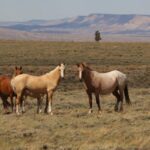 Mustangs vs. domestic horses: behavioral differences
- Should I use a stud chain on a dominant horse?