Managing shedding in long-haired pets can be a challenge, but with the right approach, you can significantly reduce the amount of fur around your home. Regular grooming, a balanced diet, and proper care are essential to keeping your pet’s coat healthy and minimizing shedding.
Why Do Long-Haired Pets Shed?
Long-haired pets shed to remove old or damaged hair and to make way for new growth. Shedding is a natural process influenced by factors such as breed, health, and environment. While you can’t stop shedding entirely, you can manage it effectively.
How to Reduce Shedding in Long-Haired Pets
1. Regular Grooming
Grooming is crucial for managing shedding in long-haired pets. Regular brushing helps remove loose hair and prevents tangles and mats. Aim to brush your pet at least three to four times a week.
- Use the right tools: Invest in a high-quality brush or comb designed for long-haired breeds. A slicker brush or a shedding tool can be particularly effective.
- Establish a routine: Make grooming a positive experience by starting slowly and rewarding your pet with treats.
- Professional grooming: Consider professional grooming services every few months to maintain your pet’s coat.
2. Balanced Diet
A nutritious diet plays a vital role in the health of your pet’s coat. Ensure your pet’s food contains essential fatty acids, vitamins, and minerals.
- Omega-3 and Omega-6 fatty acids: These nutrients help maintain a shiny coat and reduce shedding. Look for pet foods that list fish oil or flaxseed oil as ingredients.
- High-quality protein: Protein is essential for hair growth. Choose pet foods with meat as the first ingredient.
3. Hydration
Proper hydration is crucial for maintaining skin and coat health. Ensure your pet has access to fresh water at all times.
- Moisture-rich foods: Consider incorporating wet food into your pet’s diet to increase water intake.
- Avoid dehydration: Monitor your pet’s water consumption, especially in hot weather or after exercise.
4. Environmental Control
Managing your pet’s environment can also help reduce shedding.
- Regular cleaning: Vacuum and clean your home frequently to remove pet hair. Use a vacuum with a HEPA filter for best results.
- Air purification: Consider using an air purifier to reduce allergens and pet dander in your home.
Practical Tips for Managing Shedding
- Bathing: Bathe your pet every 4-6 weeks using a gentle pet shampoo. Avoid over-bathing, which can dry out the skin.
- Supplements: Consult your veterinarian about supplements that can support coat health, such as fish oil capsules.
- Vet check-ups: Regular veterinary visits can help identify any underlying health issues that may contribute to excessive shedding.
People Also Ask
How often should I brush my long-haired pet?
For long-haired pets, brushing three to four times a week is recommended. This helps prevent tangles and mats while removing loose hair.
What are the best tools for grooming long-haired pets?
The best grooming tools for long-haired pets include slicker brushes, shedding tools, and wide-toothed combs. These tools help effectively remove loose hair and prevent tangles.
Can diet affect my pet’s shedding?
Yes, diet can significantly affect your pet’s shedding. A balanced diet rich in omega-3 and omega-6 fatty acids, as well as high-quality protein, can promote a healthy coat and reduce shedding.
How can I prevent mats in my pet’s fur?
To prevent mats, brush your pet regularly, focusing on areas prone to tangling, such as behind the ears and under the legs. Regular grooming and professional grooming services can also help.
What should I do if my pet is shedding excessively?
If your pet is shedding excessively, consult your veterinarian. Excessive shedding can be a sign of underlying health issues, such as allergies or skin conditions.
Conclusion
Managing shedding in long-haired pets involves a combination of regular grooming, a balanced diet, and a healthy environment. By incorporating these strategies, you can reduce shedding and keep your pet’s coat in top condition. For more tips on pet care, consider exploring related topics such as "Choosing the Right Pet Food" and "Grooming Tips for Different Breeds."
Related Posts
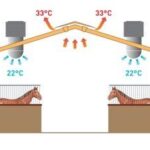 Ventilation in horse stables: why fresh air matters
- How can vitamin overdose affect a horse's health?
- When should you use a broad-spectrum dewormer?
- Weaning: Best Practices and Timing
- What dietary factors influence the function of the cecum in horses?
- Can ear movements indicate a horse's health issues?
- Are horses capable of forming emotional bonds with humans?
- What is sweet itch in horses and how is it related to allergies?
- Can I use a hair dryer to dry my horse?
- Is it beneficial to work with a riding coach after a fall?