Here’s how to improve your horse’s digestion during the winter months. Maintaining optimal equine digestive health in winter requires careful adjustments to diet and management. Key strategies include providing consistent access to high-quality forage, supplementing with appropriate nutrients, ensuring fresh water intake, and monitoring your horse for signs of digestive upset. These steps help prevent common winter digestive issues like impaction colic and maintain overall health.
How Can I Optimize My Horse’s Diet for Winter Digestion?
During winter, pasture forage is low in water and protein and may require protein and vitamin A supplementation. Good-quality grass-legume pastures, along with iodized or trace-mineralized salt, generally provide adequate nutrients for adult horses at light work or for pregnant mares. High-quality legume hays, such as early bloom alfalfa, are preferred for horses, especially those that are growing or lactating.
| Feed Type | Benefit | Consideration |
|---|---|---|
| Grass-legume pastures | Supplies adequate nutrients for light work | May need supplementation in late fall and winter |
| High-quality legume hays | Preferred for growing or lactating horses | Choose early bloom alfalfa |
| Oats | Preferred grain due to bulk | Can be supplemented with corn, barley, or wheat if less expensive |
What Management Practices Support Equine Digestion in Winter?
Horses require adjustments in their management practices to maintain healthy digestion during the winter months. Ensure they have access to clean, unfrozen water to prevent dehydration, which can lead to impaction colic. Regular exercise, even light work, helps stimulate gut motility and prevent digestive slowdown. Additionally, monitor your horse’s manure output and consistency, as changes can indicate digestive issues.
How Can I Prevent Colic in Horses During Winter?
Preventing colic, a significant concern for horse owners, involves several key strategies. Dietary changes are a significant factor influencing the incidence of colic. Ensure a consistent diet and avoid abrupt changes in feed. Provide adequate fiber through forage to maintain gut motility and reduce the risk of impaction. Moldy or dusty feeds should be avoided because horses are extremely susceptible to forage poisoning and respiratory complications.
What are the Early Signs of Digestive Issues in Horses?
Early signs of digestive issues in horses include decreased appetite, reduced manure production, and changes in manure consistency (e.g., very dry or loose stool). Horses may also exhibit behavioral changes such as restlessness, pawing, flank watching, or mild colic symptoms like abdominal discomfort and frequent lying down and getting up. Monitoring these signs closely and consulting with a veterinarian promptly can help prevent more severe complications.
How Does Water Intake Affect a Horse’s Digestion in Winter?
Adequate water intake is crucial for a horse’s digestion, especially in winter. Dehydration can lead to impaction colic, where the digestive tract becomes blocked with dry, compacted feed material. Encourage water consumption by providing heated water, soaking feed, or adding electrolytes to the water.
What Role Does Exercise Play in Maintaining Healthy Digestion?
Regular exercise plays a vital role in maintaining healthy digestion in horses. Movement helps stimulate gut motility, which aids in the passage of food through the digestive tract and prevents impactions. Even light exercise, such as hand-walking or turnout, can be beneficial, especially during winter when horses may be stabled more often.
Maintaining your horse’s digestive health during winter requires a multifaceted approach that includes careful dietary management, consistent access to fresh water, regular exercise, and close monitoring for early signs of digestive issues.
Would you like to explore specific feeding strategies or signs of equine digestive distress?
Related Posts
- Are there specific training techniques to reduce pawing?
- How does consistent posture affect energy conservation on a bike?
- Do horses sense human emotions?
- What is the role of play in horse herd dynamics?
- How can a rider manage anxiety before getting back on a horse?
- What are some common exercises for improving rider flexibility?
- Do horses paw the ground when they are trying to roll?
- How can I protect my horse's skin from sunburn?
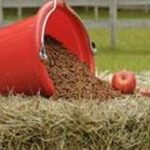 Understanding your horse's nutritional needs
- What is the difference between estrous and menstrual cycles?