Improving communication with your horse is essential for safer and more effective jumps. By understanding your horse’s cues and using clear signals, you can enhance your partnership and ensure a smooth jumping experience. This guide will explore practical strategies for improving communication with your horse, focusing on techniques that promote safety and trust.
Why Is Communication Important in Horse Jumping?
Communication between rider and horse is crucial for successful and safe jumping. Effective communication ensures that your horse understands your intentions, responds promptly to your cues, and maintains confidence throughout the jumping process. This connection can prevent accidents and enhance performance.
How to Improve Communication with Your Horse?
Developing a strong bond with your horse through consistent training and understanding is key to improving communication. Here are some strategies to consider:
1. Understand Your Horse’s Body Language
- Observe Ear Movements: Horses communicate through ear positions. Forward ears indicate interest, while pinned-back ears may signal discomfort or aggression.
- Watch for Tail Signals: A relaxed tail suggests calmness, whereas a swishing tail might indicate irritation.
- Recognize Facial Expressions: Soft eyes and relaxed nostrils show contentment; wide eyes or flared nostrils can signal fear or tension.
2. Use Clear and Consistent Cues
- Voice Commands: Use simple, consistent words for commands like "walk," "trot," and "jump." Keep your tone calm and assertive.
- Body Positioning: Maintain a balanced posture to provide clear signals. Leaning forward indicates acceleration, while sitting back suggests slowing down.
- Leg Aids: Use gentle pressure with your legs to direct your horse. Consistency helps your horse understand your expectations.
3. Establish Trust Through Groundwork
Groundwork exercises build trust and respect, essential for effective communication. Consider these activities:
- Lunging: Helps your horse become familiar with your voice and body language.
- Desensitization: Gradually introduce your horse to new objects and sounds to reduce fear and build confidence.
- Leading Exercises: Practice leading your horse over poles or small obstacles to enhance coordination and understanding.
4. Practice Regularly with Jumping Drills
Incorporate specific jumping drills to improve communication and technique:
- Gridwork: Set up a series of jumps in a grid pattern to enhance rhythm and timing.
- Cavaletti Exercises: Use low poles to improve your horse’s stride and balance.
- Course Practice: Regularly practice full courses to simulate competition conditions and reinforce communication.
What Are the Benefits of Improved Communication?
Enhanced communication with your horse leads to numerous benefits:
- Increased Safety: Clear signals reduce the risk of misunderstandings and accidents.
- Better Performance: A well-communicated horse is more responsive and confident.
- Stronger Bond: Mutual understanding fosters trust and strengthens the rider-horse relationship.
People Also Ask
How Can I Build Trust with My Horse?
Building trust involves patience and consistency. Spend time with your horse outside of riding, engage in groundwork exercises, and reward positive behavior with treats or praise. Trust grows from positive, consistent interactions.
What Are Common Mistakes Riders Make in Communication?
Common mistakes include inconsistent cues, unclear body language, and overuse of aids. Riders should strive for consistency and clarity in their signals, ensuring their body language aligns with their intentions.
How Can I Tell If My Horse Is Comfortable with Jumping?
A comfortable horse will approach jumps confidently, maintain a steady pace, and exhibit relaxed body language. Signs of discomfort include hesitation, refusal, or visible tension.
Why Is Groundwork Important for Jumping?
Groundwork establishes a foundation of trust and respect, making it easier for horses to respond to cues during jumping. It enhances communication and prepares horses for more complex tasks.
How Often Should I Practice Jumping with My Horse?
Frequency depends on your horse’s fitness and experience. Generally, 2-3 times a week is sufficient, allowing rest days for recovery. Always monitor your horse’s response and adjust as needed.
Conclusion
Improving communication with your horse is vital for safer and more effective jumping. By understanding your horse’s body language, using clear cues, and building trust through groundwork, you can enhance your partnership and jump with confidence. Regular practice and patience will lead to a stronger bond and better performance. For more tips on horse training and care, explore our related articles on groundwork techniques and building trust with your horse.
Related Posts
- How is technology impacting the horse industry in Asia?
- How do I recognize if my horse is not interested in training?
- Should nitrile gloves be included in a barn first aid kit?
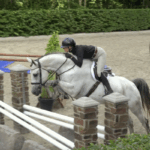 Young horse markets: investment opportunities
- Is it normal for a horse to bite its owner?
- What are the risks of not having regular vet visits for horses?
- How can beginners improve their grip on the reins?
- How do bedding choices affect the overall barn environment?
- How have perceptions of naturally gaited horses changed over time?
- Can play behavior be used to identify a horse's strengths and weaknesses?