Ensuring your senior horse receives adequate protein is crucial for maintaining muscle mass, supporting overall health, and ensuring a good quality of life. As horses age, their ability to digest and utilize protein efficiently may decline, making it essential to adjust their diet accordingly. By focusing on high-quality protein sources and consulting with your veterinarian, you can help your senior horse thrive.
How Can I Ensure My Senior Horse Gets Enough Protein?
As horses age, their nutritional needs shift, and protein becomes an increasingly important part of their diet. Here’s how to make sure your senior horse gets enough protein:
- Assess Your Horse’s Current Diet: Evaluate the existing diet to determine the current protein intake. Consider the type and amount of feed, hay, and supplements.
- Consult with a Veterinarian or Equine Nutritionist: Obtain professional advice to tailor a diet that meets your horse’s specific needs. A vet can assess your horse’s health and provide personalized recommendations.
- Choose High-Quality Protein Sources: Opt for feeds that contain high-quality protein, such as soybean meal, which has a good balance of essential amino acids. High-quality protein sources are more efficiently utilized by the horse’s body.
- Supplement Wisely: If necessary, add protein supplements to the diet. These can include commercially available protein supplements or specific amino acid supplements as recommended by your vet.
- Monitor Body Condition: Regularly check your horse’s body condition to ensure they are maintaining adequate muscle mass and overall health. Adjust the diet as needed based on these observations.
Why Is Protein Important for Senior Horses?
Protein is essential for various bodily functions, including muscle maintenance, tissue repair, and immune system support. For senior horses, adequate protein intake is particularly vital due to the following reasons:
- Muscle Maintenance: As horses age, they may experience muscle loss, known as sarcopenia. Sufficient protein intake helps preserve muscle mass and strength.
- Immune Function: Protein is crucial for a healthy immune system. Senior horses often have weakened immunity, making them more susceptible to infections.
- Tissue Repair: Protein aids in the repair of body tissues, which is essential for older horses that may have slower healing processes.
- Overall Health: Adequate protein supports overall health and vitality, helping senior horses maintain a good quality of life.
What Are the Best Protein Sources for Senior Horses?
Selecting the right protein sources is key to ensuring your senior horse receives optimal nutrition. Here are some excellent options:
- Soybean Meal: Soybean meal is a high-quality protein source with a good balance of essential amino acids. It is easily digestible and can be added to your horse’s feed.
- Alfalfa Hay: High-quality legume hays like alfalfa are rich in protein and other essential nutrients. Alfalfa is particularly beneficial for horses that are growing or lactating.
- Commercial Senior Feeds: Many commercial feeds are formulated specifically for senior horses and contain added protein and other nutrients to meet their unique needs.
- Supplements: Protein supplements can be used to boost protein intake if the horse is not getting enough from their regular feed.
How Much Protein Does My Senior Horse Need?
The exact protein requirements vary depending on the horse’s weight, activity level, and overall health. A general guideline is that mature horses need approximately 8-10% crude protein in their diet. However, senior horses may benefit from a slightly higher protein intake, around 10-12%. Consulting with a veterinarian or equine nutritionist is crucial to determine the precise amount of protein your horse needs.
People Also Ask (PAA)
What are the signs of protein deficiency in horses?
Signs of protein deficiency in horses include weight loss, muscle loss, poor coat condition, and a weakened immune system. The horse may also exhibit decreased energy levels and a reduced appetite. If you notice these signs, consult with your veterinarian to assess your horse’s diet and health.
Can too much protein be harmful to horses?
While protein is essential, excessive protein intake can be harmful. Too much protein can lead to increased ammonia production, which can stress the kidneys and respiratory system. It’s important to balance protein intake with other nutrients and ensure your horse is getting the right amount for their individual needs.
How can I improve my horse’s digestion of protein?
To improve protein digestion, ensure your horse’s diet includes high-quality protein sources that are easily digestible. Feeding smaller, more frequent meals can also aid digestion. Additionally, maintaining good dental health and addressing any underlying digestive issues can improve nutrient absorption.
Ensuring your senior horse gets enough protein involves careful assessment, quality feed choices, and professional guidance. By understanding the importance of protein and tailoring your horse’s diet to meet their specific needs, you can help them maintain optimal health and enjoy a comfortable life.
Want to discover more about equine nutrition?
Related Posts
- How do temperature fluctuations affect bike maintenance?
- What role does repetition play in a horse's memory of routines?
- How does a horse's memory of food locations affect its behavior?
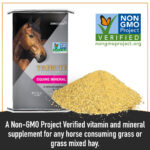 Copper and zinc balance in equine diets for your horse
- What role does diet play in head shaking?
- How can I create a more engaging jumping routine for my horse?
- Are there any supplements that require special storage conditions?
- What are some common mistakes to avoid in circle riding?
- What techniques can help prevent a horse from spooking?
 From dude ranch to luxury resort: your guide to horseback vacations