Horse owners can prevent overhydration by monitoring water intake, offering water in controlled amounts, and ensuring proper electrolyte balance. Overhydration, or water intoxication, can lead to serious health issues such as electrolyte imbalances and colic. Understanding the signs and prevention strategies is crucial for maintaining your horse’s health.
What is Overhydration in Horses?
Overhydration in horses occurs when they consume excessive amounts of water, leading to an imbalance in electrolytes. This condition can result in symptoms such as lethargy, weakness, and swelling. While rare, it is essential to recognize and prevent it to ensure your horse’s well-being.
How to Monitor Your Horse’s Water Intake
Monitoring your horse’s water intake is a critical step in preventing overhydration. Here are some practical tips:
- Track Water Consumption: Keep a daily log of how much water your horse drinks. Horses typically consume 5-15 gallons per day, depending on factors like size, diet, and weather.
- Observe Behavior: Notice if your horse drinks excessively or displays unusual behavior around water.
- Check for Signs of Overhydration: Look for symptoms such as bloating, frequent urination, or changes in demeanor.
Why is Controlled Water Offering Important?
Controlling the amount of water your horse has access to can prevent overhydration, especially after exercise or during hot weather.
- Gradual Rehydration: After intense exercise, offer small amounts of water at intervals to prevent gulping.
- Limit Access During Cool-Down: Allow your horse to cool down before providing unrestricted water access.
- Use Automatic Waterers: These can help regulate the amount of water available to your horse.
Ensuring Proper Electrolyte Balance
Electrolytes are crucial for maintaining fluid balance in horses. Here’s how to manage them effectively:
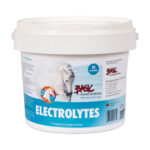
- Provide Electrolyte Supplements: During periods of high activity or heat, consider adding electrolytes to your horse’s diet.
- Balanced Diet: Ensure your horse’s feed contains the necessary minerals and nutrients.
- Monitor Salt Intake: Provide a salt block to encourage natural regulation of electrolyte levels.
Practical Examples of Overhydration Prevention
Consider these real-life scenarios to better understand how to prevent overhydration:
- Scenario 1: After a long trail ride, a horse is thirsty and drinks rapidly. Offer small amounts of water every 15 minutes to prevent overhydration.
- Scenario 2: During a heatwave, a horse consumes more water than usual. Provide electrolytes to maintain balance and monitor intake closely.
People Also Ask
What are the signs of overhydration in horses?
Signs of overhydration in horses include lethargy, swelling, frequent urination, and changes in behavior. Severe cases may lead to colic or electrolyte imbalances, requiring veterinary attention.
How can I encourage my horse to drink the right amount of water?
Encourage appropriate water intake by providing clean, fresh water at all times and using salt blocks to stimulate thirst. Monitor water consumption and adjust as needed based on activity and weather conditions.
Why is electrolyte balance important for horses?
Electrolyte balance is vital for maintaining proper muscle function, hydration, and overall health. Imbalances can lead to dehydration, muscle cramps, and other health issues.
Can overhydration lead to colic in horses?
Yes, overhydration can lead to colic due to the rapid intake of water causing stomach distension and electrolyte imbalances. Preventing overhydration is key to reducing this risk.
How often should I check my horse’s water intake?
Regularly check your horse’s water intake, especially during changes in activity levels or weather. Daily monitoring helps detect any unusual patterns early.
Summary and Next Steps
Preventing overhydration in horses involves careful monitoring of water intake, offering controlled amounts of water, and maintaining electrolyte balance. By implementing these strategies, horse owners can ensure their horses remain healthy and hydrated. For more information on horse care, consider reading articles on horse nutrition and hydration strategies for further insights.
Related Posts
- How can you improve your half-halt technique?
- How does vitamin E contribute to a horse's overall well-being?
- What is the impact of breathing on rider balance?
- How can I tell if my senior horse is losing muscle mass?
- Can playfulness in horses be a sign of good health?
- How can using hot water affect leather tack?
- How do I introduce a young horse to trail riding?
 Electrolyte management in endurance horses
- How do you know if a horse is in pain?
- Can chiropractic care help with equine joint issues?