Feeding Horses with Liver Problems: A Comprehensive Guide
Caring for horses with liver issues requires specialized knowledge to ensure their diet supports liver health and overall well-being. This article explores the best feeding practices, dietary considerations, and common questions related to managing liver problems in horses.
Understanding Liver Problems in Horses
The liver plays a crucial role in detoxification, metabolism, and nutrient storage. Liver problems in horses can arise from infections, toxins, or metabolic disorders, leading to symptoms such as jaundice, weight loss, and lethargy.
Common Liver Conditions in Horses
| Condition | Description | Symptoms |
|---|---|---|
| Hepatitis | Inflammation of the liver caused by infection or toxins | Jaundice, fever, loss of appetite |
| Hepatic Lipidosis | Fat accumulation in liver cells | Weight loss, weakness |
| Cirrhosis | Chronic liver damage leading to scarring | Abdominal swelling, poor coat condition |
Nutritional Needs for Horses with Liver Problems
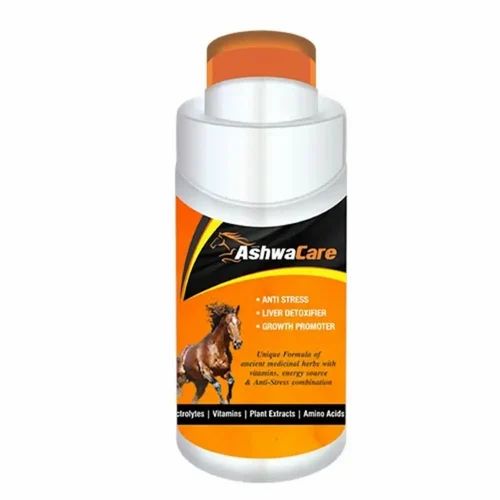
Feeding horses with liver issues involves providing a diet that supports liver function and avoids further stress on the organ.
Key Dietary Considerations
- Low Protein Intake: Excess protein can increase the liver’s workload. Opt for high-quality, easily digestible proteins.
- Adequate Energy: Provide sufficient calories through fats and carbohydrates to prevent muscle wasting.
- Vitamin and Mineral Support: Supplement with vitamins E and K, zinc, and selenium, which support liver health.
- Avoid Toxins: Eliminate feeds contaminated with mycotoxins or other harmful substances.
Recommended Feed Types
| Feed Type | Benefits for Liver Health |
|---|---|
| Alfalfa Hay | High in digestible protein and calcium |
| Beet Pulp | Provides energy with low protein content |
| Vegetable Oils | Rich in essential fatty acids, supports energy |
Feeding Strategies
- Small, Frequent Meals: Helps reduce liver strain and improves nutrient absorption.
- Hydration: Ensure constant access to clean water to support detoxification.
- Monitor Body Condition: Adjust feed based on weight and health status.
FAQ: Feeding Horses with Liver Problems
Q1: Can horses with liver problems eat grain?
A1: Grains should be limited as they can be high in protein and starch, which may stress the liver. Consult a veterinarian for specific recommendations.
Q2: Are supplements necessary?
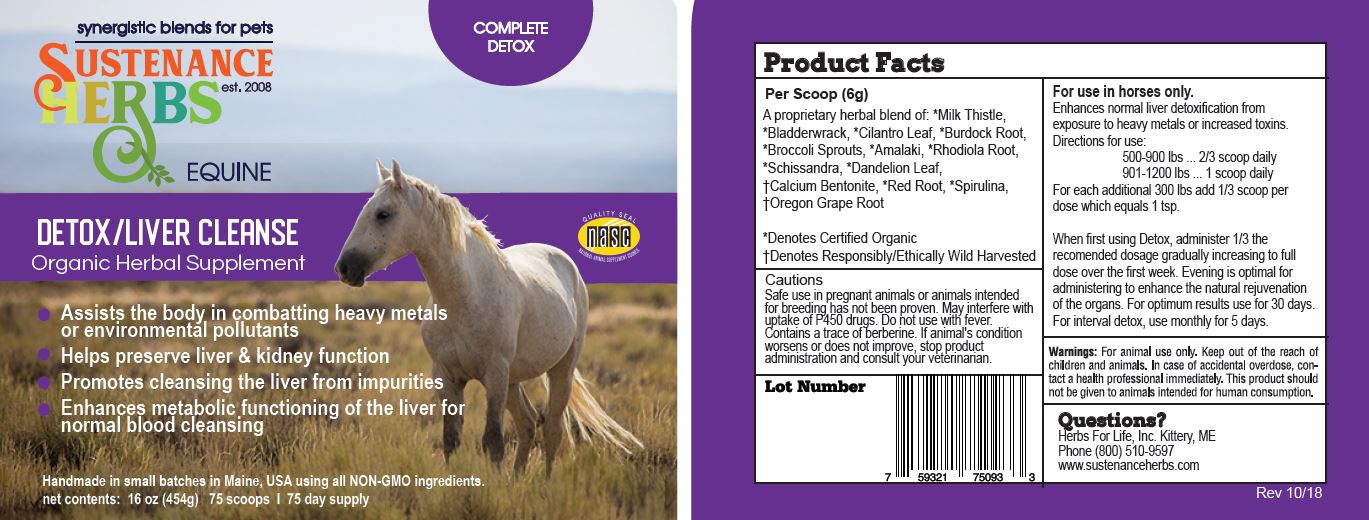
A2: Supplements like milk thistle and SAMe may support liver function but should only be used under veterinary guidance.
Q3: How do I know if my horse’s liver condition is improving?
A3: Improvement is indicated by increased energy, better appetite, and normalized blood work results.
Conclusion
Proper feeding is vital for managing liver problems in horses. By understanding their unique nutritional needs and carefully selecting feeds, horse owners can support liver health and improve their horse’s quality of life.
For more detailed guidance, always consult with an equine nutritionist or veterinarian.