Feeding Horses with Coat Quality Issues: A Detailed Guide
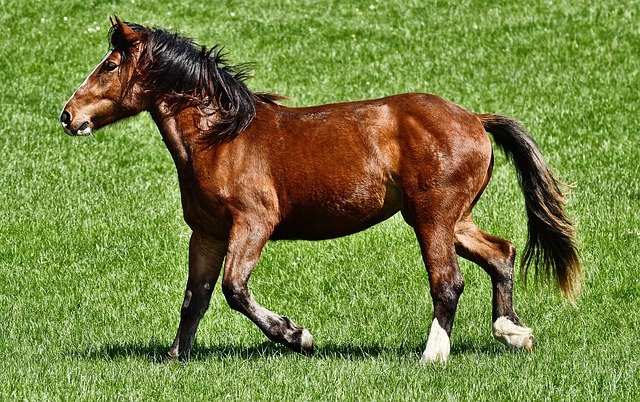
Maintaining a healthy, shiny coat is a key indicator of a horse’s overall well-being. When a horse’s coat appears dull, patchy, or rough, it often signals underlying nutritional or health problems. This article explores how to feed horses experiencing coat quality issues, offering practical advice backed by nutritional science.
Understanding Coat Quality Problems
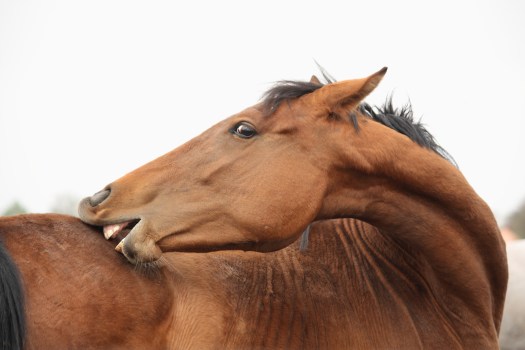
Coat quality issues in horses can manifest as:
- Dullness or lack of shine
- Patchy hair loss or thinning
- Excessive shedding or poor hair regrowth
- Dry, brittle, or rough hair texture
These symptoms may be caused by nutritional deficiencies, parasites, skin infections, or environmental stressors.
Key Nutrients for a Healthy Coat
Proper nutrition is essential for restoring and maintaining a glossy, healthy coat. Important nutrients include:
| Nutrient | Role in Coat Health | Food Sources |
|---|---|---|
| Protein | Supports hair growth and repair | Alfalfa, soybean meal, oats |
| Omega-3 Fatty Acids | Reduce inflammation and improve skin hydration | Flaxseed, fish oil, chia seeds |
| Zinc | Aids in skin repair and hair follicle function | Zinc supplements, legumes, grains |
| Copper | Essential for pigment production and coat color | Copper supplements, leafy greens |
| Vitamins A & E | Promote skin health and antioxidant protection | Carrots, spinach, wheat germ |
Feeding Strategies
- Balanced Diet: Ensure the horse receives a balanced diet tailored to its age, workload, and health status.
- Supplementation: Use supplements judiciously to address specific deficiencies, especially in omega-3s, zinc, and copper.
- Hydration: Adequate water intake supports skin hydration and overall health.
- Regular Deworming: Parasites can cause coat problems; maintain a deworming schedule.
Environmental and Management Considerations
- Provide shelter to protect from harsh weather.
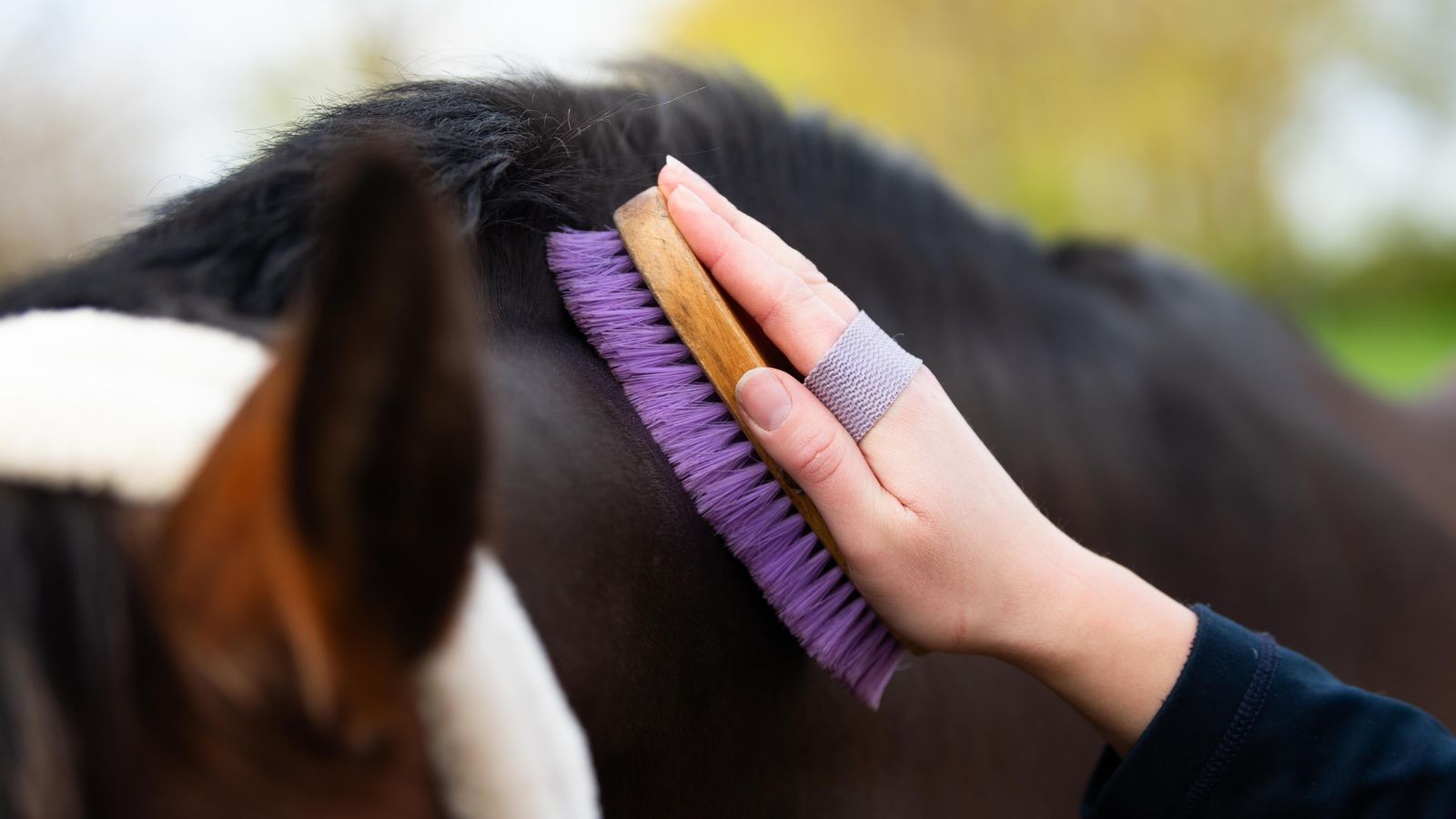
- Regular grooming to stimulate skin and distribute natural oils.
- Monitor for signs of skin infections or allergies.
FAQ
Q1: How long does it take to see improvements in coat quality after dietary changes?
A: Typically, noticeable improvements can be seen within 4 to 8 weeks, depending on the severity of the issue and the horse’s overall health.
Q2: Can coat quality issues indicate serious health problems?
A: Yes, sometimes coat problems are symptoms of underlying conditions such as Cushing’s disease or parasitic infections, so veterinary consultation is recommended.
Q3: Are commercial coat supplements effective?
A: Many commercial supplements can be beneficial if they contain the right balance of nutrients, but they should complement, not replace, a balanced diet.
Conclusion
Feeding horses with coat quality issues requires a holistic approach that combines proper nutrition, management, and veterinary care. By focusing on key nutrients and maintaining good husbandry practices, horse owners can help restore their animals’ coat health and overall vitality.