Grooming can significantly help in reducing allergens in barns by removing dust, dander, and other allergenic particles from animals. Regular grooming practices not only improve animal hygiene but also contribute to a healthier environment for both animals and humans. This article explores how grooming impacts allergen levels and offers practical tips for effective barn management.
How Does Grooming Reduce Allergens in Barns?
Grooming is an essential practice for managing allergens in barns. By regularly brushing and cleaning animals, you can significantly reduce the amount of dander and dust that accumulates. This helps in maintaining a cleaner environment, which is crucial for preventing respiratory issues in both animals and humans.
Benefits of Regular Grooming
- Reduces Dander: Grooming helps in removing loose hair and skin flakes, which are primary sources of allergens.
- Controls Dust: Regular cleaning minimizes dust accumulation on animals, which can otherwise spread throughout the barn.
- Improves Air Quality: By reducing allergens, grooming contributes to better air quality, making the barn a healthier place.
Practical Grooming Tips for Barns
- Brush Animals Regularly: Use appropriate brushes to remove loose hair and dander.
- Bathe Animals Periodically: Use hypoallergenic shampoos to further reduce allergens.
- Clean Grooming Tools: Regularly wash and disinfect brushes and combs to prevent allergen buildup.
- Ventilate the Barn: Ensure good airflow to help disperse allergens.
What Are the Best Grooming Practices for Different Animals?
Different animals require specific grooming techniques. Understanding these can enhance allergen reduction efforts in barns.
Horses
- Brushing: Use a curry comb to loosen dirt and hair, followed by a stiff brush to remove it.
- Bathing: Bathe horses monthly with mild shampoo.
- Mane and Tail Care: Detangle and clean regularly to prevent dust buildup.
Cattle
- Brushing: Use a soft brush to avoid damaging the skin.
- Hoof Cleaning: Regularly clean hooves to prevent infections and reduce dirt.
Sheep
- Shearing: Shear wool at least once a year to manage dander.
- Fleece Maintenance: Regularly check and clean fleece to prevent allergen accumulation.
How Does Grooming Impact Human Health?
Reducing allergens through grooming has direct benefits for human health. It minimizes exposure to allergens that can cause respiratory issues and allergies.
Health Benefits for Humans
- Reduced Allergic Reactions: Less exposure to animal dander and dust reduces the risk of allergies.
- Improved Respiratory Health: Better air quality in barns leads to fewer respiratory problems for workers.
People Also Ask
How Often Should Animals Be Groomed in a Barn?
The frequency of grooming depends on the type of animal and its specific needs. Horses and cattle should be groomed at least weekly, while sheep require seasonal shearing and regular fleece checks.
Can Grooming Alone Eliminate Allergens in Barns?
While grooming significantly reduces allergens, it should be part of a comprehensive barn management strategy that includes regular cleaning and proper ventilation.
What Are Some Tools for Effective Grooming?
Essential grooming tools include curry combs, stiff brushes, soft brushes, and hoof picks. Selecting the right tools for each animal type enhances grooming effectiveness.
How Does Barn Design Affect Allergen Levels?
Good barn design, including proper ventilation and easy-to-clean surfaces, plays a crucial role in managing allergens. Ensuring adequate airflow and regular cleaning can complement grooming efforts.
What Are Other Ways to Reduce Allergens in Barns?
Apart from grooming, maintaining clean bedding, using air purifiers, and implementing dust control measures are effective strategies for reducing allergens.
Conclusion
Grooming is a vital practice for reducing allergens in barns, benefiting both animals and humans. By incorporating regular grooming into barn management routines, you can significantly improve air quality and overall health. For further insights, consider exploring topics like barn ventilation systems or hypoallergenic animal care products.
Related Posts
- How can you educate new people about horse behavior?
- What tools can help with timing in transitions?
- What cues do horses use to recognize other horses?
- How long does it take to regain confidence with a riding coach after a fall?
- Can body measurements indicate a horse's overall health status?
- How do skin conditions contribute to anxiety in horses?
- What is the role of the NASC in horse supplement regulation?
- Can a plant-based diet improve heart health?
- How can you differentiate between a whinny and a snort?
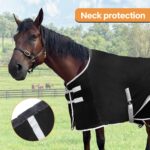 Teaching your horse to accept blankets