Horses hold significant cultural and spiritual symbolism in various Asian religious texts. They are often depicted as powerful and noble creatures, representing strength, freedom, and divine connection.
How Do Horses Appear in Asian Religious Texts?
Horses are featured prominently in several Asian religious traditions, including Hinduism, Buddhism, and ancient Chinese beliefs. They are often associated with deities, mythological stories, and spiritual journeys, symbolizing both physical and metaphysical movement.
Horses in Hinduism
In Hinduism, horses are considered sacred and are often linked to the sun god, Surya. The Ashvamedha Yajna or horse sacrifice was an ancient ritual performed by kings to assert their dominance and seek divine favor. This ritual is mentioned in texts like the Rigveda and the Mahabharata. Horses are also depicted as the chariots of gods, symbolizing speed and power.
Horses in Buddhism
In Buddhism, horses symbolize the spiritual journey and the quest for enlightenment. The most famous horse in Buddhist lore is Kanthaka, the steed of Siddhartha Gautama, who became the Buddha. Kanthaka is revered for his role in helping Siddhartha leave his princely life and embark on his path to enlightenment. Horses in Buddhist texts often represent the strength and determination required to overcome life’s obstacles.
Horses in Ancient Chinese Beliefs
In ancient Chinese culture, horses were seen as symbols of prosperity and nobility. They are frequently mentioned in Chinese mythology and folklore, often associated with legendary figures like the Eight Immortals. Horses were believed to possess spiritual qualities and were often depicted in art and literature as companions to celestial beings.
What Are the Symbolic Meanings of Horses in Asian Religions?
Horses in Asian religious texts often symbolize:
- Strength and Power: Representing physical and spiritual strength.
- Freedom and Movement: Signifying the journey towards enlightenment or spiritual liberation.
- Nobility and Prosperity: Associated with royalty and divine favor.
- Divine Connection: Acting as intermediaries between the mortal world and the divine.
Examples of Horses in Religious Texts
- Ashvamedha Yajna: A Vedic ritual involving horse sacrifice to assert royal power.
- Kanthaka: The horse that aided Siddhartha Gautama in his spiritual journey.
- Mythological Horses: Such as those in Chinese folklore representing prosperity and divine connection.
Why Are Horses Important in These Texts?
Horses are important in these texts because they embody qualities revered in these cultures, such as strength, speed, and spiritual progression. They often serve as metaphors for the journey of life and the pursuit of spiritual goals.
How Are Horses Depicted in Religious Art?
Horses are frequently depicted in religious art across Asia, often shown alongside deities or in scenes of mythological significance. These depictions emphasize their role as noble and divine creatures.
People Also Ask
What Is the Significance of the Horse in Hindu Rituals?
Horses in Hindu rituals, especially the Ashvamedha Yajna, symbolize royal authority and the king’s connection to the divine. This ritual highlights the horse’s role as a symbol of power and prosperity.
Why Is Kanthaka Important in Buddhism?
Kanthaka is important in Buddhism because he represents the beginning of Siddhartha Gautama’s journey to enlightenment. As Siddhartha’s loyal steed, Kanthaka symbolizes the strength and determination needed to pursue spiritual goals.
How Do Horses Represent Prosperity in Chinese Culture?
In Chinese culture, horses are seen as symbols of prosperity due to their association with speed and nobility. They are often depicted in art and literature as bringing good fortune and success.
Are Horses Considered Sacred in Any Asian Religions?
Yes, horses are considered sacred in several Asian religions, including Hinduism, where they are associated with deities and used in rituals like the Ashvamedha Yajna.
How Do Horses Connect the Mortal and Divine in Asian Texts?
Horses often act as intermediaries between the mortal and divine realms in Asian texts. They are depicted as carriers of gods and heroes, symbolizing the connection between humans and the divine.
Conclusion
Horses play a vital role in the religious texts of Asian cultures, symbolizing power, freedom, and spiritual connection. Their presence in these texts reflects the deep cultural and spiritual significance attributed to them across various traditions. Understanding these symbols can provide valuable insights into the values and beliefs of these cultures. For further exploration, consider reading about the role of animals in religious symbolism or the significance of rituals in Asian traditions.
Related Posts
- How do horses' nutritional needs change in winter?
- What should horses eat in the winter to stay warm?
- What role do shoes play in maintaining balance during transitions?
- What are the differences between patience with a nervous horse and a calm horse?
- What are the ethical considerations surrounding selective breeding?
- Can poor vision make a horse difficult to catch?
- How did horses affect the art and storytelling of the Plains tribes?
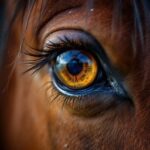 The horse's eye: a window into a different world
- How can I protect my horse during severe weather?
- What are the cost benefits of hiring a professional trainer for jump refusals?