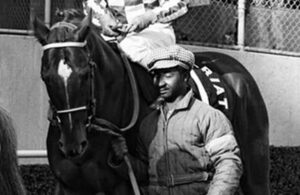
Horses, like many social animals, can exhibit behaviors that suggest jealousy in their relationships. While jealousy in horses may not be identical to human emotions, they can display signs of possessiveness or rivalry when it comes to their companions or resources.
Do Horses Experience Jealousy?
Horses are highly social creatures with complex social structures. In their natural environment, they form herds with well-defined hierarchies. This social nature can lead to behaviors that seem like jealousy, especially when their relationships or routines are disrupted.
How Do Horses Show Jealousy?
Horses may exhibit jealousy through various behaviors, such as:
- Aggression: A horse might become aggressive towards another horse or even a human if they feel their bond with a companion is threatened.
- Attention-Seeking: Some horses will nudge, nip, or push their way into interactions to regain focus from their owner or handler.
- Protectiveness: Horses may try to keep other horses or people away from their favorite companions or resources, like food or grooming.
Why Do Horses Feel Jealous?
Jealousy in horses often stems from:
- Resource Guarding: Horses may guard food, water, or space, leading to competitive behavior.
- Bond Disruption: Changes in the herd or human interactions can cause stress, resulting in possessive behaviors.
- Social Dynamics: Hierarchies in herds can lead to rivalry, especially if a new horse is introduced.
Examples of Jealousy in Horses
Consider a stable where two horses have formed a strong bond. If a third horse is introduced, the original pair might display signs of jealousy, such as pinning ears, biting, or pushing the newcomer away. Similarly, a horse used to receiving attention from its owner may become anxious or disruptive if the owner starts spending more time with another horse.
Managing Jealousy in Horses
Handling jealousy in horses requires understanding and managing their social needs. Here are some strategies:
- Consistent Routine: Maintain a stable routine to prevent stress and jealousy.
- Socialization: Allow horses to form natural bonds and hierarchies within the herd.
- Individual Attention: Spend quality time with each horse to strengthen your relationship and reduce rivalry.
People Also Ask
Can Horses Get Attached to Humans?
Yes, horses can form strong attachments to humans. They recognize their handlers and often seek out their company. This bond can lead to behaviors that resemble jealousy if the horse feels neglected or replaced.
How Do You Know If a Horse Is Jealous?
Signs of a jealous horse include aggressive behaviors, such as biting or kicking, as well as attention-seeking actions like nudging or pushing. Horses might also show signs of stress, such as pacing or vocalizing when their routine is disrupted.
Do Horses Have Emotions Like Humans?
While horses do not experience emotions in the same way humans do, they exhibit a range of behaviors indicating emotions such as fear, happiness, and anxiety. Their social nature allows them to form bonds and react to changes in their environment, which can be interpreted as emotional responses.
How Can You Prevent Jealousy in Horses?
Preventing jealousy involves providing adequate resources, maintaining a consistent routine, and ensuring each horse receives sufficient attention. Introducing new horses gradually and allowing time for social adjustment can also help.
What Are the Signs of a Happy Horse?
A happy horse typically exhibits relaxed body language, such as soft eyes, a calm demeanor, and a willingness to interact with humans and other horses. Regular grooming, playfulness, and a healthy appetite are also indicators of well-being.
Conclusion
Understanding jealousy in horses involves recognizing their complex social behaviors and emotional needs. By observing and managing these behaviors, horse owners can foster a harmonious environment that minimizes rivalry and promotes well-being. For more insights into equine behavior, consider exploring topics like horse communication and herd dynamics.