Copenhagen, the famous racehorse, was a key figure in the Battle of Waterloo. Known for carrying the Duke of Wellington throughout the battle, Copenhagen not only survived the encounter but also lived for many years afterward, becoming a celebrated symbol of resilience and strength.
Did Copenhagen Survive the Battle of Waterloo?
Yes, Copenhagen survived the Battle of Waterloo. This renowned horse carried the Duke of Wellington for nearly 17 hours during the battle, showcasing remarkable endurance and strength. After the battle, Copenhagen retired to a life of leisure and lived until the age of 28, a testament to his resilience and the care he received.
Who Was Copenhagen?
Copenhagen was a chestnut stallion born in 1808, originally bred for racing. Known for his speed and stamina, he became the Duke of Wellington’s mount during the Napoleonic Wars. His lineage included both Arabian and Thoroughbred ancestry, contributing to his exceptional qualities.
Why Was Copenhagen Chosen for the Battle?
Copenhagen was selected for his endurance and calm demeanor, crucial traits for a horse in battle. His ability to remain steady under pressure made him the ideal choice for Wellington, who required a reliable mount during the intense and chaotic conditions of the Battle of Waterloo.
What Happened to Copenhagen After Waterloo?
Following his service in the Battle of Waterloo, Copenhagen retired to the Duke of Wellington’s estate. He lived a comfortable life, often visited by admirers and treated with great respect. His longevity and well-being in retirement were due to the excellent care he received, highlighting the bond between him and Wellington.
Copenhagen’s Legacy
Copenhagen’s legacy endures as a symbol of bravery and loyalty. He is remembered not just for his role in a pivotal historical event but also for his extraordinary character. His story is often recounted in historical accounts and remains a point of interest for those studying the Napoleonic Wars.
People Also Ask
What Was the Battle of Waterloo?
The Battle of Waterloo, fought on June 18, 1815, marked the final defeat of Napoleon Bonaparte. It was a decisive battle that ended the Napoleonic Wars and reshaped European history. The Duke of Wellington, with the help of Prussian forces, successfully defeated Napoleon’s army.
How Long Did Copenhagen Serve in the Military?
Copenhagen served in the military for several years, primarily during the Napoleonic Wars. His most notable contribution was during the Battle of Waterloo, where he carried the Duke of Wellington for the entire duration of the battle.
What Happened to Copenhagen After He Retired?
After retiring, Copenhagen lived at the Duke of Wellington’s estate until his death in 1836. He was buried with honors, and his grave became a site of interest for those visiting the estate.
Why Is Copenhagen Remembered Today?
Copenhagen is remembered for his role in a significant historical event and his remarkable qualities as a horse. His story is a testament to the bond between humans and animals and the impact they can have on history.
How Did Copenhagen Influence Future Military Mounts?
Copenhagen set a standard for military mounts, emphasizing the importance of endurance, temperament, and loyalty. His legacy influenced the breeding and selection of horses for military purposes in subsequent years.
Conclusion
Copenhagen’s survival and legacy from the Battle of Waterloo highlight the importance of animals in history. His story is a testament to the enduring bond between humans and their animal companions. For those interested in learning more about the Napoleonic Wars or the role of horses in military history, exploring Copenhagen’s life offers valuable insights.
For further reading, consider exploring topics such as "The Role of Horses in Military History" or "The Duke of Wellington’s Military Strategies."
Related Posts
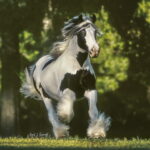 The gypsy vanner: a horse of many colors
- How does body awareness relate to maintaining a neutral spine?
- Is vitamin A supplementation necessary for horses?
- Why is body language important when approaching a horse?
- What are some signs that a horse is motivated by food rewards?
- How can I tell if my pet is overweight?
- What are the best exercises to improve balance while trotting?
- What role do my core muscles play in maintaining good riding posture?
- How often should a beginner saddle be checked for fit?
- How do I choose a good equine massage therapist?