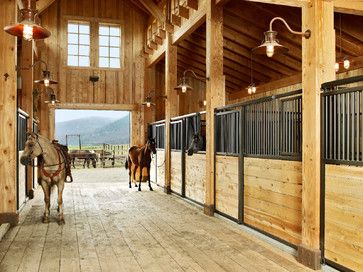
Designing the Perfect Horse Stable
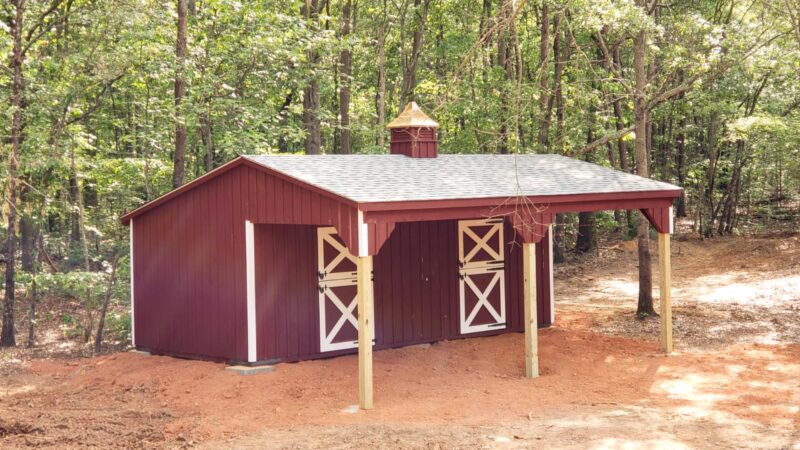
Creating an ideal horse stable involves careful planning and attention to detail to ensure the health, comfort, and safety of your horses. This guide covers essential aspects of stable design, including layout, materials, ventilation, lighting, and maintenance.
Key Considerations for Stable Design
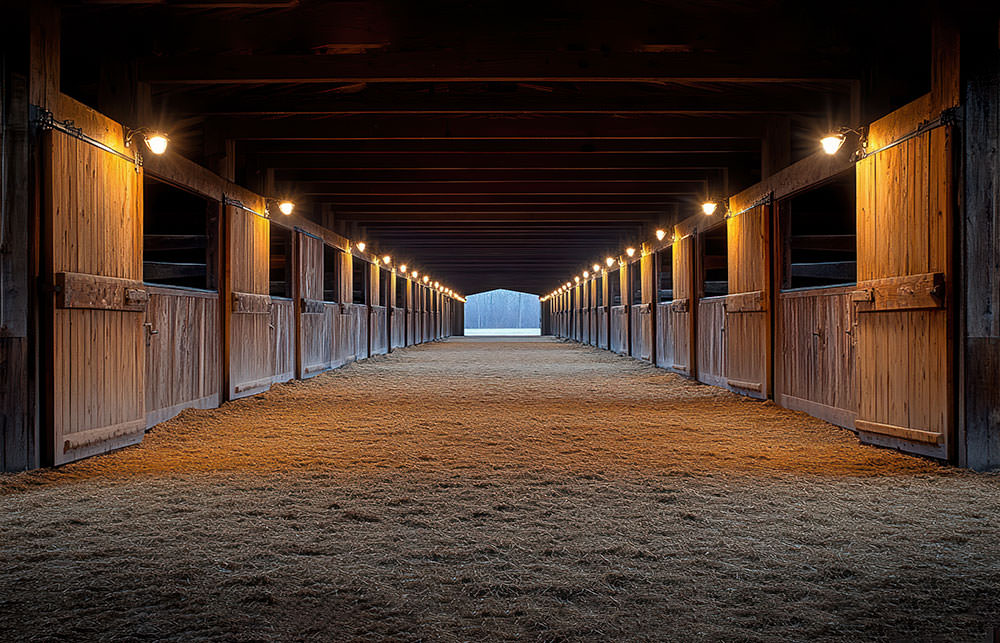
| Aspect | Description |
|---|---|
| Location | Choose a dry, well-drained site away from noisy areas to reduce stress on horses. |
| Size | Provide at least 12×12 feet per stall for standard horses; larger breeds may need more space. |
| Ventilation | Ensure good airflow to prevent respiratory issues; use windows, vents, and fans effectively. |
| Lighting | Incorporate natural light with windows and skylights; supplement with safe artificial lighting. |
| Flooring | Use non-slip, durable materials like rubber mats or compacted dirt with good drainage. |
| Materials | Opt for sturdy, non-toxic materials that withstand weather and wear, such as treated wood or metal. |
Essential Features
- Stalls: Comfortable, spacious stalls with secure doors and easy access for cleaning.
- Aisles: Wide aisles (at least 12 feet) to allow safe movement of horses and equipment.
- Feed and Tack Rooms: Separate, organized spaces to store feed, bedding, and equipment.
- Water Supply: Reliable, clean water sources with automatic waterers or buckets.
- Safety Measures: Fire-resistant materials, smoke detectors, and clear emergency exits.
Maintenance Tips
- Regularly clean stalls and aisles to prevent buildup of waste and reduce odors.
- Inspect and repair fencing, doors, and roofing to maintain security and shelter.
- Monitor ventilation systems and lighting to ensure optimal conditions year-round.
Frequently Asked Questions (FAQ)
Q1: How much space does a horse need in a stall?
A: A minimum of 12×12 feet is recommended for most horses, but larger breeds may require more room.
Q2: What is the best flooring for horse stalls?
A: Rubber mats over compacted dirt or sand provide comfort and good drainage, reducing injury risk.
Q3: How can I improve ventilation in my stable?
A: Use a combination of windows, vents, and fans to promote airflow and reduce humidity.
Q4: What safety features should a stable have?
A: Fire-resistant materials, smoke detectors, clear emergency exits, and secure fencing are essential.
Designing the perfect horse stable is a balance of functionality, comfort, and safety. By considering these factors, you can create a healthy environment that supports your horses’ well-being and performance.